
Photo by Pixabay
Presented by Dr. Jean Clinton, Maria Vamvalis & Rahim Essabhai with I-Think Pop Up
Tags: brain development, learning, students, trauma
Understanding Trauma, Learning & the Brain
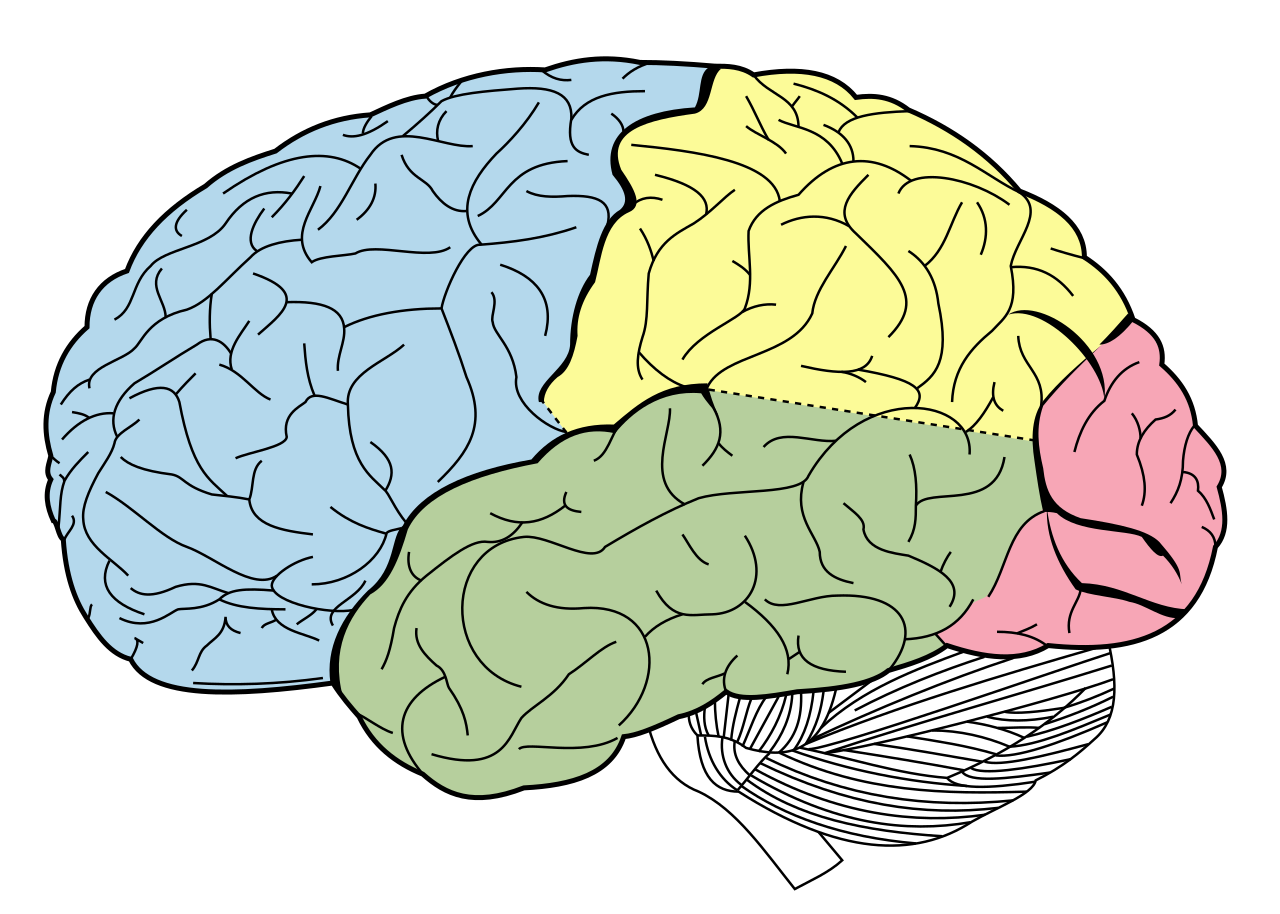
- The brain is the master organ
- It’s plastic, malleable (changeable)
- Neuroplasticity is present throughout life (kids can always reach their potential)
- Is disrupted by stress
- Genes and the environment interact
- Educators are building the connections of children’s brain neurons
- It’s plastic, malleable (changeable)
- Majority of us won’t be traumatized by pandemic (because of buffers)
- Close relationships
- Predictability in routines and environment
- Ability to moderate stress
- Trauma:
- Arises from an inescapable stressful event that overwhelms an individual’s coping mechanism
- The same traumatic event can be experienced and adapted by children differently
- Adults need to buffer children from trauma
- Children can’t learn unless we first help them feel safe, regulated and loved
- Trauma-Informed:
- Asking, “What’s happened to you?” instead of, “What’s wrong with you?”
- Understanding that trauma leads to the formation of coping mechanisms
- Creating physical and emotional environments where needs are met
- Being mindful of the classroom environment and our discipline and behaviour management
- Thinking about cultural competence
- Believing that recovery is possible
A Trauma-Informed Education System
- It’s essential to think about the education system being trauma-informed
- Adverse Childhood Experiences (ACEs)
- 2/3 of adults have had adverse childhood experiences
- Events that have or could have led to trauma
- Recognizing that staff have experienced life events that influence their brain
- Asking: Are policies and practices respectful of human rights and anti-oppressive?
- Recognizing that a teacher’s stress and trauma can affect the biology, interaction and dynamics of the classroom
- The teacher creates the weather in the classroom
- Stress contagious can occur among teachers and students
- The more we understand trauma, we can understand our responses and ourselves better
- Asking: How do we navigate how we deal with our own stress and emotions as teachers?
- If you have a deep reaction to something, know that it comes from your own self and experiences
- Stopping & pausing provides an opportunity to make a decision about which way you go
- If we lose it with the kids, we must repair
- Teacher’s college and professional development need to focus on understanding oneself
- Becoming reflective practitioners (listening to gut and reactions)
- Social-emotional journey needs to happen outside of the classroom context
- We have a professional responsibility to understand our own self first
- Relationships
- Connect before you correct
- Is not only about being nice
- Having students feel emotionally felt by you
- Paying acute attention to a student’s physical cues (e.g., hypervigilance)
- The adolescent brain can read the emotions in our faces
- Building trust
- Showing that you care
- Having and setting high, reasonable and accomplishable expectations
- Asking, What do you want to accomplish? What’s important to you?
- Challenging their growth
- Search Institute – Developmental Relationship Framework
- Express Care
- Challenge Growth
- Provide Support
- Share Power
- Expand Possibilities
- Children with Trauma
- Haven’t build a model of adults as being predictable and dependable
- Education may not be a priority for them
- May be hypervigilant
- Teacher’s need to be a stress detective
- This is a child showing that they need your help
Orienting Towards Collective Well-Being

- Needs to happen through Public Education
- Creating opportunities for kids to learn about their interconnection to all things
- Michael Fullan’s 6 C’s of Deep Learning
- Creativity
- Character Education
- Collaboration
- Critical Thinking & Problem Solving
- Communication
- Citizenship
- Students need to become agents of change
- We need to believe that kids are capable and competent
- Teachers learning about how students learn best
- Asking, What are the traditions we have? (standards and expectations that tell us we must meet traditional Western expectations)
- e.g., Grade 1’s sitting in rows, exams/testing
- Systemic change requires understanding:
- What is happening
- The history of racism, colonization, etc.
- How it is continuing to be perpetuated today
- How it is still playing out in the classroom
- How a lack of understanding can be re-traumatizing (even inadvertently)
- Recognizing intergenerational trauma
- It is an on-going journey to do this work
Trauma-Informed Distant Learning

- Communicating to children:
- I’m here for you
- You can do this
- How can I help?
- What’s important to you?
- Creating a sense of safety and connection
- e.g., Reading relevant stories
- Establishing:
- Relationships
- A sense of connection
- A mindset
Building Resilience
- Creating structure, predictability
- Recognizing grief is real
- Being reflective
- Further intervention (if more serious and needed)
Guiding Questions
- How might trauma surface once students return to school?
- What does responding from a trauma-informed lens look, feel and sound like?
- Why do children have to come to an education system where they all have to learn the same things?
- What do we need to do to make a difference for the next generation that steps into our educational system?
More from Rotman I-Think
WEBSITE DISCLAIMER
This website is provided only for informational purposes and not intended to be used to replace professional advice, treatment or professional care. Always speak to your physician, healthcare provider or pediatrician if you have concerns about your own health or the health of a child.
 the calm educator