Christmas brings a special kind of magic for children. The arrival of Santa Claus, lights, presents under the tree, winter break, and the thrill of all the fun and wonderful things that the holiday season brings. What we often overlook is how meaningful this anticipation is. It naturally teaches kids self-regulation, delayed gratification, and emotional balance.
Growing up, I was allowed to open one gift the night of Christmas Eve and could open the rest after breakfast on Christmas Day. As a child, that wait felt endless, but it taught me to sit with excitement instead of acting on it right away. It contributed to shaping my ability to handle stress, cope with big emotions, and appreciate the moment.
Today, children are growing up in an overstimulated world. Instant entertainment, constant notifications, and fast-paced digital experiences leave little room for slowing down or practicing patience. This constant stream of stimulation hasn’t just changed how kids engage with the world, it’s altered their emotional pacing. For many children, slowing down feels harder, quiet feels uncomfortable, and waiting feels unfamiliar. As a result, the emotional skills that used to develop organically now need more intentional nurturing.
Wonder naturally emerges during the holiday season and it invites children (and even adults) to pause, breathe, and slow down.
When we choose to nurture these moments:
Reading holiday books together
Counting down on an advent calendar
Baking cookies and waiting for them to cool
Wrapping presents slowly and thoughtfully
Saving certain traditions for “the special day”
…we’re not just creating memories. We’re building emotional muscles.
These experiences help children:
manage excitement
cope with big emotions
tolerate waiting
navigate the highs and lows of anticipation
build resilience for everyday stress
These are the skills that help kids weather frustration, disappointment, and overwhelm. Skills they will use far beyond childhood. Although childhood is always changing, the magic of waiting is one of the most powerful gifts we can give children.
Happy Holidays!
WEBSITE DISCLAIMER
This website is provided only for informational purposes and not intended to be used to replace professional advice, treatment or professional care. Always speak to your physician, healthcare provider or pediatrician if you have concerns about your own health or the health of a child.
I began drafting this post a few months ago while thinking about the birthday of a friend and the meaning that I feel birthdays hold beyond the day itself. Being my birthday month, I decided to finally share this post.
Birthdays can often spark mixed feelings. Some people love the spotlight, while others would rather skip the fuss altogether. I used to be someone who soaked up the celebration and attention, but as I’ve gotten older, I’ve found myself caring less about being the center of it all. What I’ve come to recognize, though, is that a birthday isn’t only about how we feel in that moment or about that day. It’s about giving the people in our lives a chance to pause, recognize us, and say, “I see you, I appreciate you, I’m glad you’re here.”
Photo by Natalie Bond
That recognition has roots in childhood. Think back to your earliest birthdays- maybe the thrill of balloons and cake, or the nervous feeling when everyone sang Happy Birthday. Maybe your birthday wasn’t marked at all, and it passed quietly like any other day. For many kids, whatever their experience, birthdays become early moments to practice self-regulation: managing excitement, soothing overwhelm, or simply getting through a day that feels ordinary. Those experiences don’t just stay in childhood. They echo into adulthood, shaping how we respond to attention, connection, and celebration, whether abundant or absent. I’m grateful for the way my birthdays were celebrated growing up, and for the parties my friends invited me to. Those experiences shaped the appreciation I have for being celebrated on and around my birthday, and for getting to celebrate others for theirs.
Even if we feel uncomfortable with the attention due to former experiences, allowing ourselves to be celebrated gives others the gift of expressing their love and appreciation for us. And when we receive that recognition, whether big or small, with openness, it nurtures calm within us. Reminding our nervous system that we are safe, valued, and part of something larger than our day-to-day routines.
It may be just one day on the calendar, but the impact ripples across the other 364. A kind word, a thoughtful message, or a small act of recognition, reinforces the invisible threads of connection that hold our relationships and even our well-being together.
So the next time your birthday rolls around, whether you’re excited or hesitant, or see it as just another day altogether, take a deep breath and remember this: it’s a chance to let the people in your life say, “You matter.” And when you carry that feeling forward, it becomes a quiet source of strength, grounding, and calm, all year long.
What feelings come up for you when you think about your birthday or the birthday of others?
Would love to hear your thoughts in the comments.
WEBSITE DISCLAIMER
This website is provided only for informational purposes and not intended to be used to replace professional advice, treatment or professional care. Always speak to your physician, healthcare provider or pediatrician if you have concerns about your own health or the health of a child.
Breathing- it’s something we do many times a day, often without even thinking about it. The oxygen we breathe in and out helps to nourish our brain and body. But when we’re under stress, our breathing can become shallow, short, and quick. This can prevent our body from functioning optimally and, over time, can contribute to burnout and fatigue.
A simple way to understand this is with a candle. If you light a candle and cover the flame with a jar, you’ll notice the flame begins to flicker and eventually dies out due to a lack of oxygen. The same thing happens in our bodies on a subtler level when we’re not breathing well.
The good news? Breathing is one of the few automatic processes in the body that we can consciously control. When we breathe out slowly and intentionally, we activate our parasympathetic nervous system- the part responsible for “rest and digest.” This helps to slow down the heart rate and breathing, calming the stress response and helping us feel more grounded.
Here are a 3 breathing exercises you can try to help restore calm, clarity, and presence:
1. Belly Breathing
Also known as diaphragmatic breathing, this technique encourages full oxygen exchange and helps relax the body.
How to do it:
Sit or lie down comfortably.
Place one hand on your tummy and the other on your chest.
Inhale deeply through your nose. Notice your belly rising like a balloon. Try to keep your chest relatively still.
Exhale slowly through your mouth, feeling your belly fall.
Keep your shoulders relaxed and steady as you continue.
Try this for 1–2 minutes to start and notice how you feel.
2. Rectangle Breathing
This visual technique helps regulate your breath while bringing your attention back to the present.
How to do it:
Look around the room and find a rectangle (like a book, window, or screen) or imagine one in your mind.
Use your eyes to slowly trace the sides of the rectangle as you breathe:
Inhale along the short side.
Hold your breath along the long side.
Exhale along the next short side.
Hold again along the next long side.
Repeat this pattern for a few rounds, allowing your breathing to slow and even out.
This is a great practice to do discreetly at your desk or during transitions in your day.
3. Flower & Candle Breathing
Perfect for kids and adults alike, this technique is playful, visual, and calming.
How to do it:
Find a relaxed seated position with your spine tall and shoulders soft.
Pretend as if you’re holding a flower in front of your nose.
Breathe in through your nose as if smelling the flower.
Pretend as if you’re holding a candle in front of your mouth.
Breathe out gently through your mouth as if blowing out the candle, making a soft, steady stream of air.
Continue for 3–5 breaths, alternating flower (inhale) and candle (exhale).
Your breath is always with you. It’s a built-in tool for regulating stress, connecting to the present moment, and restoring a sense of calm. Even just a few mindful breaths throughout your day can make a big difference.
So the next time you feel overwhelmed, anxious, or disconnected, just pause and breathe. Your body and mind will thank you.
If you found these breathing exercises helpful, share this post or try incorporating one into your daily routine!
WEBSITE DISCLAIMER
This website is provided only for informational purposes and not intended to be used to replace professional advice, treatment or professional care. Always speak to your physician, healthcare provider or pediatrician if you have concerns about your own health or the health of a child.
Over the years, I’ve had many friendships. Some fleeting, some deeply rooted that have brought calm and joy to my life, and others that taught me lessons I didn’t know I needed. As the saying goes, people come into your life for a reason, a season, or a lifetime, and I’m grateful for the experience of all three. I’ve crossed paths with incredible people, shared countless memories with friends, old and new, and hold close a few that I know are here for the long haul. Recently, I came across a podcast episode that offered some real insight on the end of friendships, and it inspired me to reflect on my own.
I felt compelled to write this post after recalling a long‑standing friendship that unraveled years ago in a single afternoon. One social media post and a few short text exchanges later, and suddenly, years of shared history were over. To be honest, the cracks had been forming for a while; the post just sped up what was already on its way. Looking back, I realize that friendships sometimes drift long before they break, and that moment of rupture is often just the point when both people finally admit, realize, or come to terms with it. That experience, although sudden, yet inevitable, reminded me why it’s worth pausing to consider what really matters when a friendship ends. While my close friend circle is small and one that I hope to keep for a lifetime, here are some things I’ve learned.
Adult friendships require time, effort and attention
Losing a friendship you’ve invested in can hurt deeply
Friendship grief is layered and complicated
Loss of a close friend can feel like losing a part of yourself
Sometimes things just fizzle out
No one wanted the friendship to end but life gets busy and goes on
The friendship wasn’t intentionally maintained
Losing friendships is a normal part of growing and moving through life
Make the unsaid, said
Friendship conflict is hard
Small things can accumulate overtime leading to wanting to end the friendship before addressing the problem
Sooner intervention could save a friendship
Healthy friendships have mutuality- both parties are thinking about each others needs
Responsiveness: the degree to which you’re willing to meet someone’s needs
Wanting to withdraw or contact a friend less is a sign a conversation needs to be had
Reframe conflict- when a friendship is valued, conflicts will be addressed rather than pulling away
Having open conflict is linked to deeper intimacy when conflict is done in an empathic way
Ask a friend what’s going on if you feel they’re pulling away
Photo by Liza Summer
It’s normal to feel grief
If things aren’t addressed directly it can trigger ambiguous loss– we can’t process our grief because we don’t understand why it happened (humans are meaning-making people)
Strategies for being ghosted by a friend:
Resist internalizing it – “It must be me”
Remember the great qualities and friendships that you do have
Trust that not all your friends will hurt you in that same way
You grieve part of yourself and identity when a friendship ends
The loss of the person you were in that friend’s company
Friendships are ambiguous- friends can have different models or expectations than you do
Find ways to express through emotions
Ask yourself what’s different now with a friendship
Reflect on how you were or are in that friendship
Give yourself a fresh perspective when you enter into new friendships without fear or a protective state
Spend time processing your grief and emotions rather than distracting or disengaging from them
Be kind to yourself along the way
Don’t view a friendship ending as a template for how others could end
Acknowledge the beauty in the friendships you do have
Lean on the friendships that you do have as a reminder for what healthy connection looks like; keep one painful ending from defining how you see all friendships
Hold onto an image of friendship within the ones that remain that is rooted in the love and care
This website is provided only for informational purposes and not intended to be used to replace professional advice, treatment or professional care. Always speak to your physician, healthcare provider or pediatrician if you have concerns about your own health or the health of a child.
“Whatever I am, that I want to understand.” – Krishnamurti
We live in a time where we are so bombarded with content that it’s overwhelming. It has become so easy to access the lives of others through posts and reels that it can lead to playing the comparison game- with celebrities, our friends and even people who we don’t even know. We might think to ourselves, “Why can’t I have what they have… look like that… be like that?,” and a feeling of envy might begin to set in.
I’ve been doing a lot of reading and listening lately and this topic presented itself to me in many different ways that I decided to write about it. Envy is a common human emotion; one that I admit I have felt at times.
Envy is one of those emotions that we often try to silence but it tends to creep up quietly. When it does, we may feel ashamed, small, or even a little unpleasant inside- especially when we are aware of it. But what if envy isn’t something to suppress or hide from, instead something to listen to? What if envy is a whisper from the parts of us still waiting to be seen, nurtured, and loved?
Photo by Felicity Tai
Envy as a Signal
Envy is often viewed as a bad emotion to experience. Something to push down, pray away, or deny altogether. But envy, like any emotion, has a message. It often arises not because we’re inherently bitter or ungrateful, but because there’s a longing in us that feels unmet.
Envy says: “I see something beautiful, and I wish I believed I could have it too.”
That wish might be about someone else’s confidence, relationships, body, creativity, or even their wealth. But underneath the longing is often a deeper ache and a feeling that we’re somehow not enough or can’t achieve what we desire.
The Psychology Behind Envy
Psychologically, envy stems from comparison. We measure ourselves against others and feel we come up short. When we see others achieving or embodying something we value, but don’t believe we can attain, we experience envy.
But this reaction is less about the other person and more about our inner landscape.
Envy doesn’t just say, “I want what they have.” It says, “I don’t believe I can have that.” Or worse, “I don’t believe I’m worthy of it.”
When We Don’t Love Ourselves
Here’s where the connection to self-love becomes clear. When we’re rooted in self-worth, another person’s shine doesn’t feel like a spotlight on our shortcomings. But when our self-love is fragile or conditional, someone else’s success can feel like evidence that we’re not doing enough, not being enough, or will never be enough.
When we don’t feel secure in who we are:
We interpret someone’s beauty as our own inadequacy
We see others’ joy and feel more alone
We hear someone praised and feel like we’ve fallen into the background
It’s not that we wish them harm. It’s that we secretly fear we’ve been left behind.
Transforming Envy Through Self-Love
The antidote to envy isn’t pretending it doesn’t exist. It’s compassion. Not just toward others, but toward ourselves. Self-love doesn’t make us immune to comparison, but it softens the sting. It allows us to admire someone without collapsing into self-doubt. It turns envy into insight.
“They can shine, and so can I.”
With self-love, we remember that someone else’s gifts don’t cancel out our own. There’s enough beauty, success, joy, and opportunity to go around. We don’t need to compete, we need to connect. When you feel envy, try congratulating the person you admire. Practicing celebration, even when it’s hard, rewires your inner story from scarcity to abundance.
From Comparison to Compassion
If envy shows up for you, as it does for all of us, try meeting it with curiosity instead of judgment.
Here are a few gentle practices that can help:
Ask what envy is trying to show you
What do I admire in this person?
What does this reveal about my own desires?
Reframe the comparison
What if this person is showing me what’s possible for me too?
Affirm your own worth Try repeating: “There is room for me. I am already enough. My path is unfolding in perfect timing.”
Reflect with honesty
Where am I not giving myself what I crave from others?
What’s one step I can take to support my own growth or healing?
Closing Thoughts: Envy as a Mirror
Photo by Nadine Wuchenauer
Envy doesn’t make you bad, it makes you human. But it also makes you aware and awareness is a gift. When we approach envy with softness instead of shame, it becomes a mirror showing us where we still long to be seen and valued. It points us toward the parts of ourselves that are still waiting for our own approval, our own tenderness, our own love.
So the next time envy visits, take a breath. Instead of pushing it away, listen to what it’s asking for. Beneath that discomfort might be the beginning of your healing.
“When you find yourself looking at those around you wondering, ‘Why can’t my life be like that?,’ or ‘Why can’t I have that?,’ remember you don’t need anyone’s that to be happy. You need you to be happy. Because that is within you. And if you can’t see you, you’ll never see that.”
This website is provided only for informational purposes and not intended to be used to replace professional advice, treatment or professional care. Always speak to your physician, healthcare provider or pediatrician if you have concerns about your own health or the health of a child.
With back-to-school around the corner or having already started (depending where you are in the world), it tends to often come with a mix of anticipation and anxiety; not only for teachers, but for students and parents as well. Whether you’re returning to the same classroom or stepping into a new role, this time of year can bring a rush of emotions and an ever-growing to-do list. As teachers, we prepare materials and plan lessons, but it’s just as important to prepare ourselves for the year ahead.
Here are five grounding tips to help teachers start the school year with clarity, confidence, and care for both themselves and their students.
1. Begin With Check-Ins – Before you start setting up your classroom or organizing your lesson plans, take time to check-in with yourself. What will allow you to feel grounded and present this year? Is it quiet mornings? A new boundary around after-hours work? A daily walk before school starts? Creating even a small check-in ritual can help you anchor into the moment before the full pace of school life kicks in.
Before the school year begins, I like to start getting myself into a routine. For me that means getting to sleep earlier, and waking up feeling well rested so that I can start my day with some gentle movement. That way when the first day of school arrives, I’m already feeling grounded and prepared for the exciting and busy day ahead.
What helps you come back to yourself when things feel chaotic? What helps your students?
Photo by RDNE Stock project
2. Set the Tone With Intention– It’s tempting to want everything to be “just right” on the first day, but what’s more important is your presence. Set your tone for the year by showing up as someone who is real, warm, and responsive, and not someone who’s holding it all together at the expense of their own well-being. Whether it’s your classroom environment or your teaching style, let your values guide the tone you set.
As each new school year arrived, I began to realize that the most important thing instead of wishing the day would go perfectly, was to just let it unfold as it would. Many of my preschool students would cry as they adjusted to their new school routine. What was important was that they felt safe and attended to. Not so much that they had participated in the first day of school activities.
How do you want your students to feel in your classroom and how can you model that for them?
Photo by cottonbro studio
3. Build Routines That Work for You– Structure matters for students and teachers. Think about your daily rhythms, not just your schedule. Do your current routines energize or exhaust you or your students? Are there small shifts you can make to create smoother transitions or calmer mornings? Consistency doesn’t mean rigidity. It means developing patterns that support both teaching and living well.
I always found that it took a few weeks of everyone settling, adjusting to a new school year, classroom and cohort, before a smooth flow was established. It took time to determine what was and wasn’t going to work with my classroom depending on the needs of my students. Some years required a bit more movement integrated into the day, while others a more slower pace and supportive transitions.
What routines help you and your students feel steady and supported throughout the day?
Photo by Yan Krukau
4. Nourish Connection First– Relationships are the heart of any classroom. Before diving into academics, invest time in establishing trust, safety, and joy. Whether you’re welcoming back returning students or meeting a new group, slowing down to build connections will make the learning stick later on.
Without making space and taking the time to get to know my students, build a relationship with them, and a level of safety and trust, there would be very little room for much learning to take place. Beginning of school year activities such as Star of the Week gave my students the opportunity to learn about one another.
How can you create more moments of genuine connection in your classroom each day?
5. Give Yourself Permission to Evolve – You’re not the same teacher you were last year and that’s a good thing! Maybe your priorities have shifted. Maybe you’ve learned what you don’t want to carry forward. Let yourself grow and try new approaches. You don’t need to recreate the past and you’re allowed to reimagine what works for you now.
With a little over ten years of experience working with children, I’ve been able to look back and see just how much I have grown. I’ve learned many lessons along the way and different ways of doing things. By no means do I consider myself an expert. When I open myself up to continuing to learn and evolve in my role, I can bring the best version of myself to my classroom in order to best support my students.
Think about what you have learned about yourself as an educator over the past year(s). What are you ready to leave behind and what are you ready to lean into?
The start of a new school year is an opportunity to not just teach, but to lead with presence, purpose, and care. Remember, the energy you bring into the room matters. By grounding yourself first, you make space for others to do the same. Here’s to a school year rooted in connection, calm, and conscious growth.
Got more tips for teachers going back to school? Share them in the comments below!
WEBSITE DISCLAIMER
This website is provided only for informational purposes and not intended to be used to replace professional advice, treatment or professional care. Always speak to your physician, healthcare provider or pediatrician if you have concerns about your own health or the health of a child.
With a renewed sense of purpose for my website, I decided to bring it back under a new name. What led me here isn’t just a shift in direction or something completely new, but a deep and growing concern. In the span of just a few months, multiple heartbreaking incidents involving young teens and fatal violence have made headlines.
Listening Closely & Responding with Purpose
Despite my best efforts to shield myself from these heartbreaking stories, they always seem to find their way to me, and they weigh heavily on my heart. As an educator working closely with young children, I’ve come to understand just how important it is that I pay attention to these issues. They’re a reminder of why the work I do, and the information I share on this website, matters. It’s about bringing light to the connection between emotional wellbeing, healthy development, and continuing to advocate for the support and understanding that all children deserve. Because unfortunately, not everyone understands how children’s early childhood development impacts them into adulthood. Through my website, I share information across three key areas.
Lately, I’ve found myself deeply affected by the tragic stories in the news of young teens caught up in crime, often acting out of pain, disconnection, or unmet needs. These headlines aren’t just stories; they’re a stark reminder of what happens when emotional regulation, nurturing, safety, connection, support, and so much more are missing during critical stages of early childhood development.
Planting Seeds of Calm
In addition to the relaunch of my website, I’d like to share that I’m also pursuing a certification as a children’s yoga teacher. I believe yoga and mindfulness can offer young people tools to understand their emotions, manage stress, and reconnect with themselves before they reach a breaking point. I know this, because as an adult, these practices have supported me in many ways to find my own internal calm and balance. Through movement, breath, and stillness, I hope to help children build inner resources that not only support their learning but may one day shift the trajectory of their lives.
By sharing my website and the resources it has to offer, I appreciate your support of the work that I do.
This website is provided only for informational purposes and not intended to be used to replace professional advice, treatment or professional care. Always speak to your
Ms. Bridges is the creator of Aging Wellness, a website that aims to provide health and wellness resources for aging seniors. She’s a breast cancer survivor. She challenges herself to live life to the fullest and inspires others to do so as well.
Photo by Ivan Samkov
School breaks are essential for kids to recharge their batteries and relax. However, it is equally important to keep their minds active during this period. Parents can play a crucial role in supporting their child’s academic progress during school breaks. Here is a guide that will explore simple ways parents can help their kids with their studies during school breaks.
Create a Multipurpose Room
Creating a study space for your child is a great way to help them stay focused and organized. Consider adding a desk and chair, bookshelves, and a bulletin board to their room, to create a multipurpose room that will not only help your child’s focus but will also increase your house’s appraisal value. It is essential to ensure that lighting is adequate, and the room has minimum distractions. Having a designated study area can make studying more enjoyable, efficient, and effective.
Encourage Journaling
Journaling is a great way to practice writing skills and express thoughts and emotions. Encourage your child to keep a journal during school breaks. They can write about their experiences, goals, and aspirations, and reflect on what they’ve learned. You can provide them with prompts or ideas to get them started. This will help improve their writing skills and also encourage self-expression.
Volunteer Together
Volunteering is an excellent way to teach kids about empathy, compassion, and community involvement. Research together and find a volunteer opportunity that aligns with your family’s values. Volunteering at a local animal shelter, food bank, or nursing home can be a great way to give back to the community. This will teach your child the importance of social responsibility, empathy, and kindness.
Practice Public Speaking
Public speaking is a fundamental skill that can benefit kids throughout their lives. Practicing public speaking during school breaks can help build confidence and improve communication skills. Encourage your child to practice speeches, debates, or presentations on a topic they are passionate about. You can act as an audience and provide feedback to improve their delivery.
Encourage Reading
Reading is an essential skill that can improve vocabulary, comprehension, and critical thinking. Encourage your child to read during school breaks, and make it fun by choosing books that align with their interests. Allow them to choose the books they want to read, whether it’s a classic novel or a comic book. Reading together with your child can also be a great bonding experience.
Organize Playdates with an Educational Twist
Organizing playdates with other kids can be a fun way to learn and socialize. Consider organizing playdates with an educational twist, such as a science experiment or an art project. This can help kids learn new skills while having fun with their friends. It’s important to ensure that the activities are age-appropriate and safe.
Practice Problem-Solving
Problem-solving is a valuable skill that can help kids navigate challenges and make sound decisions. Encourage your child to practice problem-solving during school breaks. You can provide them with puzzles, brain teasers, or math problems to solve. This will help improve their critical thinking, analytical, and decision-making skills.
Support Your Child’s Development
Parents can play a vital role in supporting their child’s academic progress during school breaks. Creating a dedicated workspace, encouraging journaling, volunteering together, etc., are all great ways parents can help their kids with their studies during school breaks. These activities not only help kids stay mentally engaged but also teach them valuable life skills that will benefit them throughout their lives.
What are some ways that you keep your child/ren busy and engaged over breaks? Share them in the comments below!
WEBSITE DISCLAIMER
This website is provided only for informational purposes and not intended to be used to replace professional advice, treatment or professional care. Always speak to your physician, healthcare provider or pediatrician if you have concerns about your own health or the health of a child.
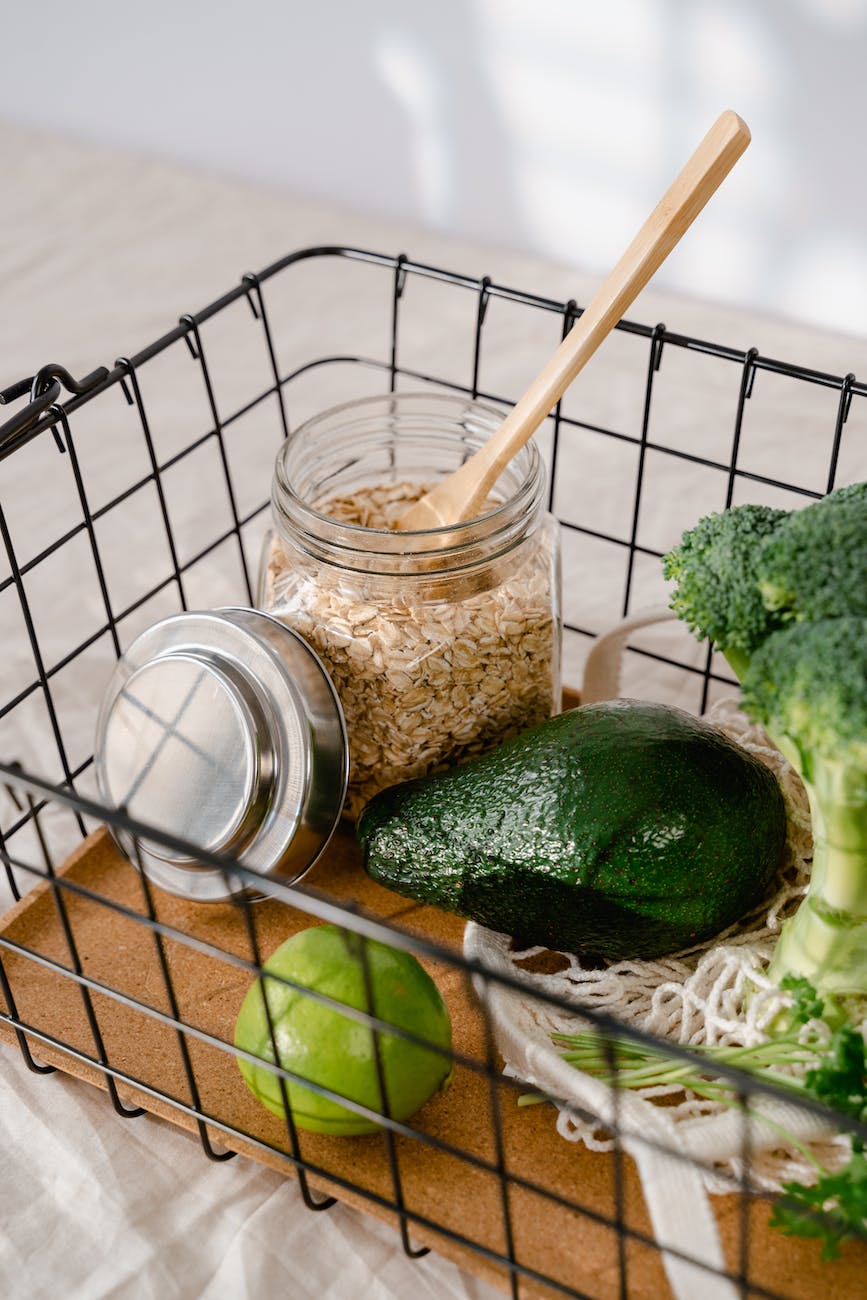
Anyone who really knows me, will know that I live off of oats. Short for oatmeal, oats is a breakfast meal that I was introduced to as a child. Back then I knew it as porridge. My earliest memories of porridge was of it being cooked in milk in a pot on the stove. I remember its creamy colour and the watery consistency it had. Mainly due to the amount of milk that was added. As I got older and into my teenage years, I would go on to consume Quakers Instant Oatmeal from a small brown packet in a variety of different flavours such as apples and cinnamon, maple and brown sugar, cinnamon and spice, and sometimes the dino eggs. Thinking about it now, I can’t believe how long I have been eating oats for and the many sugary flavours that I would consume it in. Talk about a sweet tooth! Years later, I turned to cold cereal as an easy morning breakfast option that would get me quickly out the door and on my way to school. Over those years, my stomach became sensitive to dairy and cold milk in the morning. As I got busier, I needed more than just a quick bowl of cereal to sustain me through the morning. This was when I returned to my beloved oats.
About Oatmeal
Oatmeal is a classic breakfast food that has been consumed over many years. It is made from whole-grain oats, is nutritious, and has great health benefits. What I love most about it is how versatile it is, since it can be prepared in so many different ways. For the past few years, it has and continues to be the meal that I choose to start off my day with.
Its Benefits
A significant health benefit of oatmeal is that it’s high in fiber which is an essential nutrient that supports healthy digestion, regulates blood sugar levels, and helps to reduce the risk of heart disease. The fiber in oatmeal is known as beta-glucan. It’s a soluble fiber that forms a gel-like substance in the digestive system and helps to slow down digestion, keep you feeling fullerfor longer periods and prevents overeating. This is one of the main reasons why I opt for oats to get me through a busy morning and long days.
In addition, oatmeal is a great source of protein, vitamins, and minerals. It is rich in vitamins that help to support the production of energy and proper metabolism. Oatmeal also contains iron, which is essential for healthy blood circulation, and magnesium, which promotes strong bones and muscles. It’s a healthy breakfast choice for those looking to manage their weightas it is also low in fat and calories.
Making It
Oatmeal is super easy to make and can be adjusted to your preference. It can be made with water, milk, or dairy-free milk such as almond, oat, or coconut milk. When I make my oatmeal, I mainly use oat milk. For those like me that may have a sweet tooth, it can be topped with fresh fruits such as apples, berries or bananas. For crunch and added flavour, nuts, seeds, and dried fruits can also be included.
Choosing It
What’s great about oatmeal is that it is an affordable and widely available food. It can be found in grocery stores and is a great choice for those on a budget.
While oatmeal is a nutritious food, it is important to choose the right type. Instant oatmeal and flavoured varieties (like the kind I was having as a kid) often contain added sugars and preservatives, which can negate some of oatmeal’s health benefits. Alternatively, opt for plain, unsweetened oatmeal or steel-cut oats, which are lightly processed and contain more fiber and nutrients. The sweetness can be adjusted to your liking. Sometimes I like to add a little maple syrup to mine.
What’s JUSTproats?
While I have spent many years eating oatmeal, even until this day, I’d like to share a new way that I have been enjoying it. JUSTproats is an Ontario based company that makes a healthy plant-based breakfast blend of oats, chia seeds, plant protein, fruits, veggies and superfoods. For me, JUSTproats is so much more than just proats (protein oats). It contains a staple food item that has and continues to sustain me throughout busy days, but with the addition of so much more that is needed as part of a healthy, well-rounded diet. Made available in so many flavours such as blueberry muffin, apple cinnamon, cinnamon roll, and dark choco brownie, with new flavour releases that come in both vegan and whey options. JUSTproats is even easier to prepare and enjoy as a breakfast, mid-day snack or an evening dessert. They are even perfect to pack for road trips! I just add it to a jar with my oat milk, stir, and refrigerate it the night before. By morning, it’s ready to eat or to carry with me for the day. If you’re located in Canada and would like to give JUSTproats a try, save 20% on me by usingSMYARDEat checkout. Enjoy!

















 the calm educator