Why Birthdays Matter Beyond the Day Itself

Early Childhood, Health & Lifestyle, Self-Regulation

I began drafting this post a few months ago while thinking about the birthday of a friend and the meaning that I feel birthdays hold beyond the day itself. Being my birthday month, I decided to finally share this post.

Birthdays can often spark mixed feelings. Some people love the spotlight, while others would rather skip the fuss altogether. I used to be someone who soaked up the celebration and attention, but as I’ve gotten older, I’ve found myself caring less about being the center of it all. What I’ve come to recognize, though, is that a birthday isn’t only about how we feel in that moment or about that day. It’s about giving the people in our lives a chance to pause, recognize us, and say, “I see you, I appreciate you, I’m glad you’re here.”

Photo by Natalie Bond

That recognition has roots in childhood. Think back to your earliest birthdays- maybe the thrill of balloons and cake, or the nervous feeling when everyone sang Happy Birthday. Maybe your birthday wasn’t marked at all, and it passed quietly like any other day. For many kids, whatever their experience, birthdays become early moments to practice self-regulation: managing excitement, soothing overwhelm, or simply getting through a day that feels ordinary. Those experiences don’t just stay in childhood. They echo into adulthood, shaping how we respond to attention, connection, and celebration, whether abundant or absent. I’m grateful for the way my birthdays were celebrated growing up, and for the parties my friends invited me to. Those experiences shaped the appreciation I have for being celebrated on and around my birthday, and for getting to celebrate others for theirs.

Even if we feel uncomfortable with the attention due to former experiences, allowing ourselves to be celebrated gives others the gift of expressing their love and appreciation for us. And when we receive that recognition, whether big or small, with openness, it nurtures calm within us. Reminding our nervous system that we are safe, valued, and part of something larger than our day-to-day routines.

It may be just one day on the calendar, but the impact ripples across the other 364. A kind word, a thoughtful message, or a small act of recognition, reinforces the invisible threads of connection that hold our relationships and even our well-being together.

So the next time your birthday rolls around, whether you’re excited or hesitant, or see it as just another day altogether, take a deep breath and remember this: it’s a chance to let the people in your life say, “You matter.” And when you carry that feeling forward, it becomes a quiet source of strength, grounding, and calm, all year long.


WEBSITE DISCLAIMER

This website is provided only for informational purposes and not intended to be used to replace professional advice, treatment or professional care. Always speak to your physician, healthcare provider or pediatrician if you have concerns about your own health or the health of a child.

Some Things to Remember When a Friendship Ends

Health & Lifestyle

Over the years, I’ve had many friendships. Some fleeting, some deeply rooted that have brought calm and joy to my life, and others that taught me lessons I didn’t know I needed. As the saying goes, people come into your life for a reason, a season, or a lifetime, and I’m grateful for the experience of all three. I’ve crossed paths with incredible people, shared countless memories with friends, old and new, and hold close a few that I know are here for the long haul. Recently, I came across a podcast episode that offered some real insight on the end of friendships, and it inspired me to reflect on my own.

I felt compelled to write this post after recalling a long‑standing friendship that unraveled years ago in a single afternoon. One social media post and a few short text exchanges later, and suddenly, years of shared history were over. To be honest, the cracks had been forming for a while; the post just sped up what was already on its way. Looking back, I realize that friendships sometimes drift long before they break, and that moment of rupture is often just the point when both people finally admit, realize, or come to terms with it. That experience, although sudden, yet inevitable, reminded me why it’s worth pausing to consider what really matters when a friendship ends. While my close friend circle is small and one that I hope to keep for a lifetime, here are some things I’ve learned.

Presented by Life Kit with Marisa Franco (source)

Introduction Summary

  • Adult friendships require time, effort and attention
  • Losing a friendship you’ve invested in can hurt deeply
  • Friendship grief is layered and complicated
  • Loss of a close friend can feel like losing a part of yourself

Sometimes things just fizzle out

  • No one wanted the friendship to end but life gets busy and goes on
  • The friendship wasn’t intentionally maintained
  • Losing friendships is a normal part of growing and moving through life

Make the unsaid, said

  • Friendship conflict is hard
  • Small things can accumulate overtime leading to wanting to end the friendship before addressing the problem
  • Sooner intervention could save a friendship
  • Healthy friendships have mutuality- both parties are thinking about each others needs
    • Responsiveness: the degree to which you’re willing to meet someone’s needs
  • Wanting to withdraw or contact a friend less is a sign a conversation needs to be had
    • Reframe conflict- when a friendship is valued, conflicts will be addressed rather than pulling away
    • Having open conflict is linked to deeper intimacy when conflict is done in an empathic way
    • Ask a friend what’s going on if you feel they’re pulling away
Photo by Liza Summer 

It’s normal to feel grief

  • If things aren’t addressed directly it can trigger ambiguous loss– we can’t process our grief because we don’t understand why it happened (humans are meaning-making people)
  • Strategies for being ghosted by a friend:
    • Resist internalizing it – “It must be me”
    • Remember the great qualities and friendships that you do have
    • Trust that not all your friends will hurt you in that same way
  • You grieve part of yourself and identity when a friendship ends
    • The loss of the person you were in that friend’s company
  • Friendships are ambiguous- friends can have different models or expectations than you do

Find ways to express through emotions

  • Ask yourself what’s different now with a friendship
  • Reflect on how you were or are in that friendship
  • Give yourself a fresh perspective when you enter into new friendships without fear or a protective state
  • Spend time processing your grief and emotions rather than distracting or disengaging from them

Be kind to yourself along the way

  • Don’t view a friendship ending as a template for how others could end
  • Acknowledge the beauty in the friendships you do have
  • Lean on the friendships that you do have as a reminder for what healthy connection looks like; keep one painful ending from defining how you see all friendships
  • Hold onto an image of friendship within the ones that remain that is rooted in the love and care
Photo by Helena Lopes

Resources:

Platonic: How the Science of Attachment Can Help You Make — And Keep — Friends by Marisa Franco


WEBSITE DISCLAIMER

This website is provided only for informational purposes and not intended to be used to replace professional advice, treatment or professional care. Always speak to your physician, healthcare provider or pediatrician if you have concerns about your own health or the health of a child.

Understanding Envy: A Path to Self-Love

Health & Lifestyle, Self-Regulation

Whatever I am, that I want to understand. – Krishnamurti

We live in a time where we are so bombarded with content that it’s overwhelming. It has become so easy to access the lives of others through posts and reels that it can lead to playing the comparison game- with celebrities, our friends and even people who we don’t even know. We might think to ourselves, “Why can’t I have what they have… look like that… be like that?,” and a feeling of envy might begin to set in.

I’ve been doing a lot of reading and listening lately and this topic presented itself to me in many different ways that I decided to write about it. Envy is a common human emotion; one that I admit I have felt at times.

Envy is one of those emotions that we often try to silence but it tends to creep up quietly. When it does, we may feel ashamed, small, or even a little unpleasant inside- especially when we are aware of it. But what if envy isn’t something to suppress or hide from, instead something to listen to? What if envy is a whisper from the parts of us still waiting to be seen, nurtured, and loved?

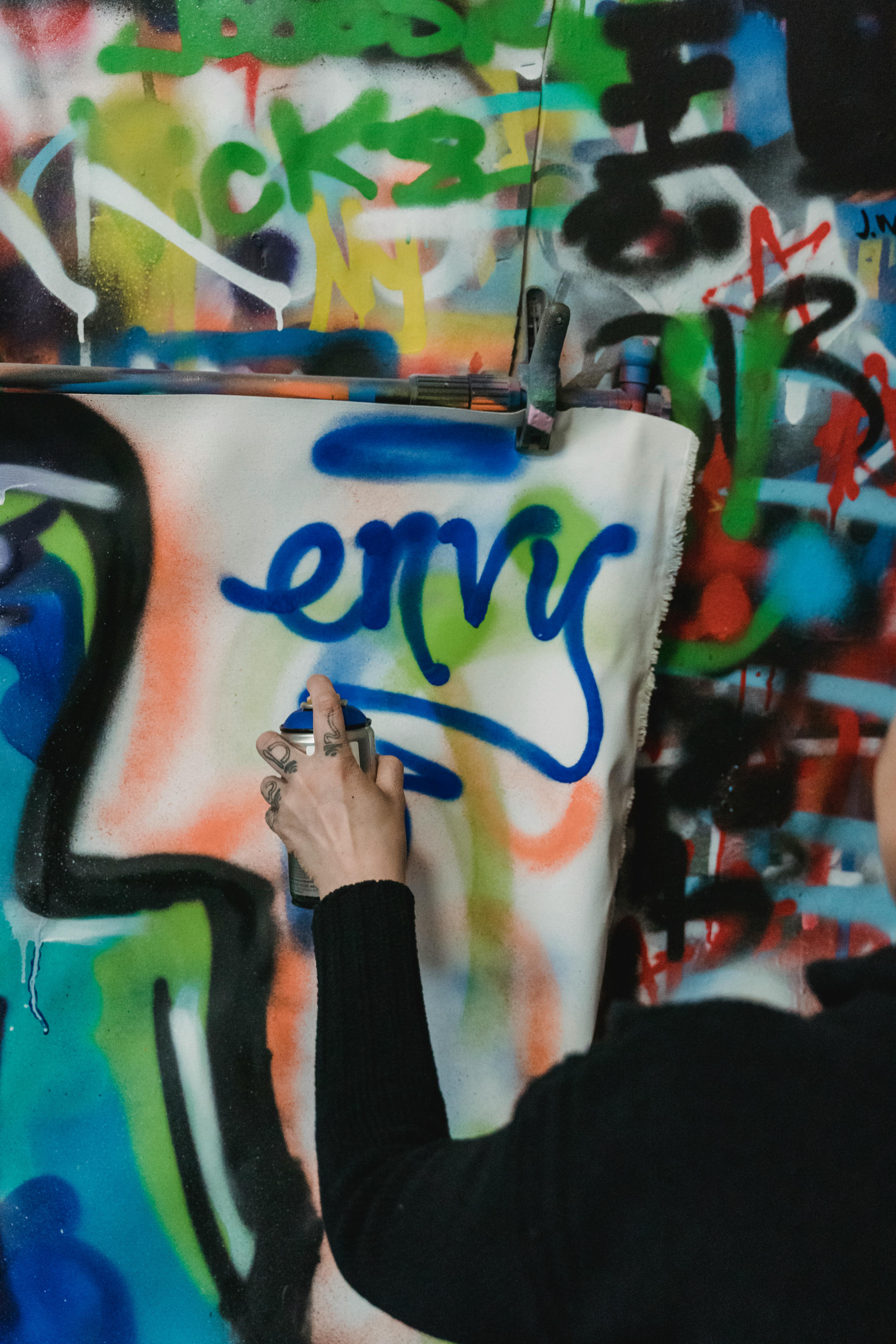
Photo by Felicity Tai

Envy as a Signal

Envy is often viewed as a bad emotion to experience. Something to push down, pray away, or deny altogether. But envy, like any emotion, has a message. It often arises not because we’re inherently bitter or ungrateful, but because there’s a longing in us that feels unmet.

Envy says: “I see something beautiful, and I wish I believed I could have it too.”

That wish might be about someone else’s confidence, relationships, body, creativity, or even their wealth. But underneath the longing is often a deeper ache and a feeling that we’re somehow not enough or can’t achieve what we desire.

The Psychology Behind Envy

Psychologically, envy stems from comparison. We measure ourselves against others and feel we come up short. When we see others achieving or embodying something we value, but don’t believe we can attain, we experience envy.

But this reaction is less about the other person and more about our inner landscape.

Envy doesn’t just say, “I want what they have.”
It says, “I don’t believe I can have that.”
Or worse, “I don’t believe I’m worthy of it.”

When We Don’t Love Ourselves

Here’s where the connection to self-love becomes clear. When we’re rooted in self-worth, another person’s shine doesn’t feel like a spotlight on our shortcomings. But when our self-love is fragile or conditional, someone else’s success can feel like evidence that we’re not doing enough, not being enough, or will never be enough.

When we don’t feel secure in who we are:

  • We interpret someone’s beauty as our own inadequacy
  • We see others’ joy and feel more alone
  • We hear someone praised and feel like we’ve fallen into the background

It’s not that we wish them harm. It’s that we secretly fear we’ve been left behind.

Transforming Envy Through Self-Love

The antidote to envy isn’t pretending it doesn’t exist. It’s compassion. Not just toward others, but toward ourselves. Self-love doesn’t make us immune to comparison, but it softens the sting. It allows us to admire someone without collapsing into self-doubt. It turns envy into insight.

“They can shine, and so can I.”

With self-love, we remember that someone else’s gifts don’t cancel out our own. There’s enough beauty, success, joy, and opportunity to go around. We don’t need to compete, we need to connect. When you feel envy, try congratulating the person you admire. Practicing celebration, even when it’s hard, rewires your inner story from scarcity to abundance.

From Comparison to Compassion

If envy shows up for you, as it does for all of us, try meeting it with curiosity instead of judgment.

Here are a few gentle practices that can help:

Ask what envy is trying to show you

  • What do I admire in this person?
  • What does this reveal about my own desires?

Reframe the comparison

  • What if this person is showing me what’s possible for me too?

Affirm your own worth
Try repeating: “There is room for me. I am already enough. My path is unfolding in perfect timing.”

Reflect with honesty

  • Where am I not giving myself what I crave from others?
  • What’s one step I can take to support my own growth or healing?

Closing Thoughts: Envy as a Mirror

Photo by Nadine Wuchenauer

Envy doesn’t make you bad, it makes you human. But it also makes you aware and awareness is a gift. When we approach envy with softness instead of shame, it becomes a mirror showing us where we still long to be seen and valued. It points us toward the parts of ourselves that are still waiting for our own approval, our own tenderness, our own love.

So the next time envy visits, take a breath. Instead of pushing it away, listen to what it’s asking for. Beneath that discomfort might be the beginning of your healing.

“When you find yourself looking at those around you wondering, ‘Why can’t my life be like that?,’ or ‘Why can’t I have that?,’ remember you don’t need anyone’s that to be happy. You need you to be happy. Because that is within you. And if you can’t see you, you’ll never see that.”

~ Najwa Zebian

Author of Welcome Home: A Guide to Building a Home for Your Soul


Additional Reading

Envy Is the Cancer of the Soul


WEBSITE DISCLAIMER

This website is provided only for informational purposes and not intended to be used to replace professional advice, treatment or professional care. Always speak to your physician, healthcare provider or pediatrician if you have concerns about your own health or the health of a child.

Why I Decided to Bring my Website Back

Early Childhood, Health & Lifestyle, Self-Regulation

With a renewed sense of purpose for my website, I decided to bring it back under a new name. What led me here isn’t just a shift in direction or something completely new, but a deep and growing concern. In the span of just a few months, multiple heartbreaking incidents involving young teens and fatal violence have made headlines.

Listening Closely & Responding with Purpose

Despite my best efforts to shield myself from these heartbreaking stories, they always seem to find their way to me, and they weigh heavily on my heart. As an educator working closely with young children, I’ve come to understand just how important it is that I pay attention to these issues. They’re a reminder of why the work I do, and the information I share on this website, matters. It’s about bringing light to the connection between emotional wellbeing, healthy development, and continuing to advocate for the support and understanding that all children deserve. Because unfortunately, not everyone understands how children’s early childhood development impacts them into adulthood. Through my website, I share information across three key areas.

Lately, I’ve found myself deeply affected by the tragic stories in the news of young teens caught up in crime, often acting out of pain, disconnection, or unmet needs. These headlines aren’t just stories; they’re a stark reminder of what happens when emotional regulation, nurturing, safety, connection, support, and so much more are missing during critical stages of early childhood development. 

Planting Seeds of Calm

In addition to the relaunch of my website, I’d like to share that I’m also pursuing a certification as a children’s yoga teacher. I believe yoga and mindfulness can offer young people tools to understand their emotions, manage stress, and reconnect with themselves before they reach a breaking point. I know this, because as an adult, these practices have supported me in many ways to find my own internal calm and balance. Through movement, breath, and stillness, I hope to help children build inner resources that not only support their learning but may one day shift the trajectory of their lives.

By sharing my website and the resources it has to offer, I appreciate your support of the work that I do.

With thanks,

Samantha (About Me) 💌

Subscribe for free to receive my latest articles straight to your inbox.

How to Sleep for Peak Mental Performance

Health & Lifestyle

Presented by Kwik Brain with Jim Kwik (feat. Dr. Shane Creado) (source)

Dr. Shane Creado

Author of Peak Sleep Performance for Athletes: The Cutting-edge Sleep Science That Will Guarantee a Competitive Advantage

Sleep

  • Is free, modifiable and can be used as a performance enhancing tool
  • The most vulnerable thing we do
  • Should be enjoyed in a meaningful way leading up to it
a woman lying on bed
Photo by MART PRODUCTION

Sleep & Performance

  • Quality, quantity and timing of sleep are all important
    • Quality can be impacted by:
      • sleep apnea
      • pain
      • anxiety
      • disrupted sleep
    • The timing of our sleep is based on our circadian rhythm
      • Social jetlag: the discrepancy in a person’s sleep pattern between the weekday and the weekend (e.g., catching up on sleep on the weekends)
        • can impact brain and whole-body health
  • Chronic sleep problems can impact the brain by:
    • slowing down processing speed, learning, retention
    • increasing difficulty with executive functioning, multi-tasking, planning, organization
    • affecting daily routines and responsibilities (e.g., learning in school, running a business, parenting)
    • impacting learning centers in the temporal lobes which help with regulating emotions and new learning
  • Sleep loss can contribute to ailments in the body
  • 69% of high school students do not get adequate sleep, and this is associated with lower GPA and increased drop-out rates
bed with pillows in light room
Photo by Rachel Claire

Improving Sleep

  • A 30-minute increase in sleep can help to improve performance and reaction time
    • e.g., strategic napping involves being in-sync with sleep needs and your natural circadian rhythm
      • 25-30 minutes is great; 45-60 minutes forces the brain to wake-up out of a deeper stage of sleep
  • Know yourself and:
    • the difference between tiredness and sleepiness
      • tiredness: exhaustion (e.g., after running a marathon)
      • sleepiness: low endorphins and adrenaline
    • how much sleep you need to feel refreshed in the morning
      • e.g., have a fixed wake up time, get to bed when sleepy, and estimate how much sleep you got in the morning
  • Most adults need between 6-9 hours of sleep; athletes: 10.5-12 hours; teenagers: 9 hours
  • 90 minutes is 1 sleep cycle; 7.5 hours of sleep is 5 sleep cycles
  • Build in a calming wind-down bedtime routine:
    • take a warm shower, brush teeth, meditate, write a to-do list
  • See: Sleep & Stress Management for more on sleep

More from Dr. Shane Creado

WEBSITE DISCLAIMER

This website is provided only for informational purposes and not intended to be used to replace professional advice, treatment or professional care. Always speak to your

More Than Just Oats

Health & Lifestyle

Anyone who really knows me, will know that I live off of oats. Short for oatmeal, oats is a breakfast meal that I was introduced to as a child. Back then I knew it as porridge. My earliest memories of porridge was of it being cooked in milk in a pot on the stove. I remember its creamy colour and the watery consistency it had. Mainly due to the amount of milk that was added. As I got older and into my teenage years, I would go on to consume Quakers Instant Oatmeal from a small brown packet in a variety of different flavours such as apples and cinnamon, maple and brown sugar, cinnamon and spice, and sometimes the dino eggs. Thinking about it now, I can’t believe how long I have been eating oats for and the many sugary flavours that I would consume it in. Talk about a sweet tooth! Years later, I turned to cold cereal as an easy morning breakfast option that would get me quickly out the door and on my way to school. Over those years, my stomach became sensitive to dairy and cold milk in the morning. As I got busier, I needed more than just a quick bowl of cereal to sustain me through the morning. This was when I returned to my beloved oats.

About Oatmeal

Oatmeal is a classic breakfast food that has been consumed over many years. It is made from whole-grain oats, is nutritious, and has great health benefits. What I love most about it is how versatile it is, since it can be prepared in so many different ways. For the past few years, it has and continues to be the meal that I choose to start off my day with.

Its Benefits

a bowl of delicious and healthy breakfast

A significant health benefit of oatmeal is that it’s high in fiber which is an essential nutrient that supports healthy digestion, regulates blood sugar levels, and helps to reduce the risk of heart disease. The fiber in oatmeal is known as beta-glucan. It’s a soluble fiber that forms a gel-like substance in the digestive system and helps to slow down digestion, keep you feeling fuller for longer periods and prevents overeating. This is one of the main reasons why I opt for oats to get me through a busy morning and long days.

In addition, oatmeal is a great source of protein, vitamins, and minerals. It is rich in vitamins that help to support the production of energy and proper metabolism. Oatmeal also contains iron, which is essential for healthy blood circulation, and magnesium, which promotes strong bones and muscles. It’s a healthy breakfast choice for those looking to manage their weight as it is also low in fat and calories.

Making It

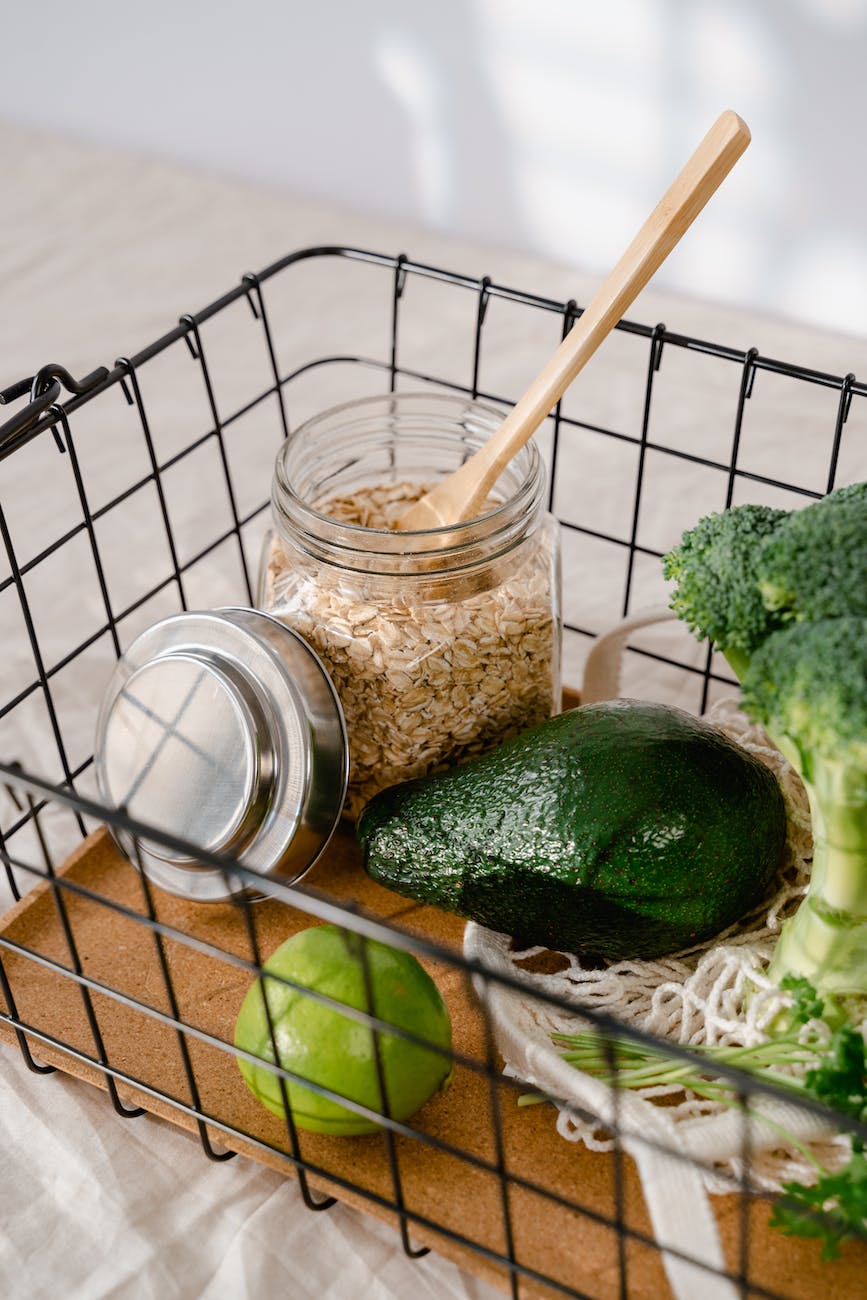
a basket with a wooden spoon in a jar of oatmeal beside an avocado and a lime

Oatmeal is super easy to make and can be adjusted to your preference. It can be made with water, milk, or dairy-free milk such as almond, oat, or coconut milk. When I make my oatmeal, I mainly use oat milk. For those like me that may have a sweet tooth, it can be topped with fresh fruits such as apples, berries or bananas. For crunch and added flavour, nuts, seeds, and dried fruits can also be included.

Choosing It

What’s great about oatmeal is that it is an affordable and widely available food. It can be found in grocery stores and is a great choice for those on a budget.

While oatmeal is a nutritious food, it is important to choose the right type. Instant oatmeal and flavoured varieties (like the kind I was having as a kid) often contain added sugars and preservatives, which can negate some of oatmeal’s health benefits. Alternatively, opt for plain, unsweetened oatmeal or steel-cut oats, which are lightly processed and contain more fiber and nutrients. The sweetness can be adjusted to your liking. Sometimes I like to add a little maple syrup to mine.

What’s JUSTproats?

While I have spent many years eating oatmeal, even until this day, I’d like to share a new way that I have been enjoying it. JUSTproats is an Ontario based company that makes a healthy plant-based breakfast blend of oats, chia seeds, plant protein, fruits, veggies and superfoods. For me, JUSTproats is so much more than just proats (protein oats). It contains a staple food item that has and continues to sustain me throughout busy days, but with the addition of so much more that is needed as part of a healthy, well-rounded diet. Made available in so many flavours such as blueberry muffin, apple cinnamon, cinnamon roll, and dark choco brownie, with new flavour releases that come in both vegan and whey options. JUSTproats is even easier to prepare and enjoy as a breakfast, mid-day snack or an evening dessert. They are even perfect to pack for road trips! I just add it to a jar with my oat milk, stir, and refrigerate it the night before. By morning, it’s ready to eat or to carry with me for the day. If you’re located in Canada and would like to give JUSTproats a try, save 20% on me by using SMYARDE at checkout. Enjoy!


Sources: Google, JustProats

10 Unconventional and Overlooked Strategies to Boost Your Mental Health

Health & Lifestyle

Shared by Hazel Bridges

Ms. Bridges is the creator of Aging Wellness, a website that aims to provide health and wellness resources for aging seniors. She’s a breast cancer survivor. She challenges herself to live life to the fullest and inspire others to do so as well.


Improving your mental health can be challenging, especially when traditional methods such as therapy and medicine fall short. But there are also many unconventional mental health strategies that you may have overlooked! These outside-the-box approaches can be very effective at boosting mental well-being. Let’s explore 10 ideas and activities to give your mental health a boost!

  1. Give Back to Your Community

Starting a local nonprofit is a great way to give back to your community and enrich your life with purpose and fulfillment. By registering as a nonprofit, you’ll be able to apply for grants and public funding. Be prepared to create bylaws that will govern how your nonprofit will operate. These bylaws will ensure your nonprofit remains effective at meeting your goals so you can feel good about the impact you’re making.

  1. Plant a Garden

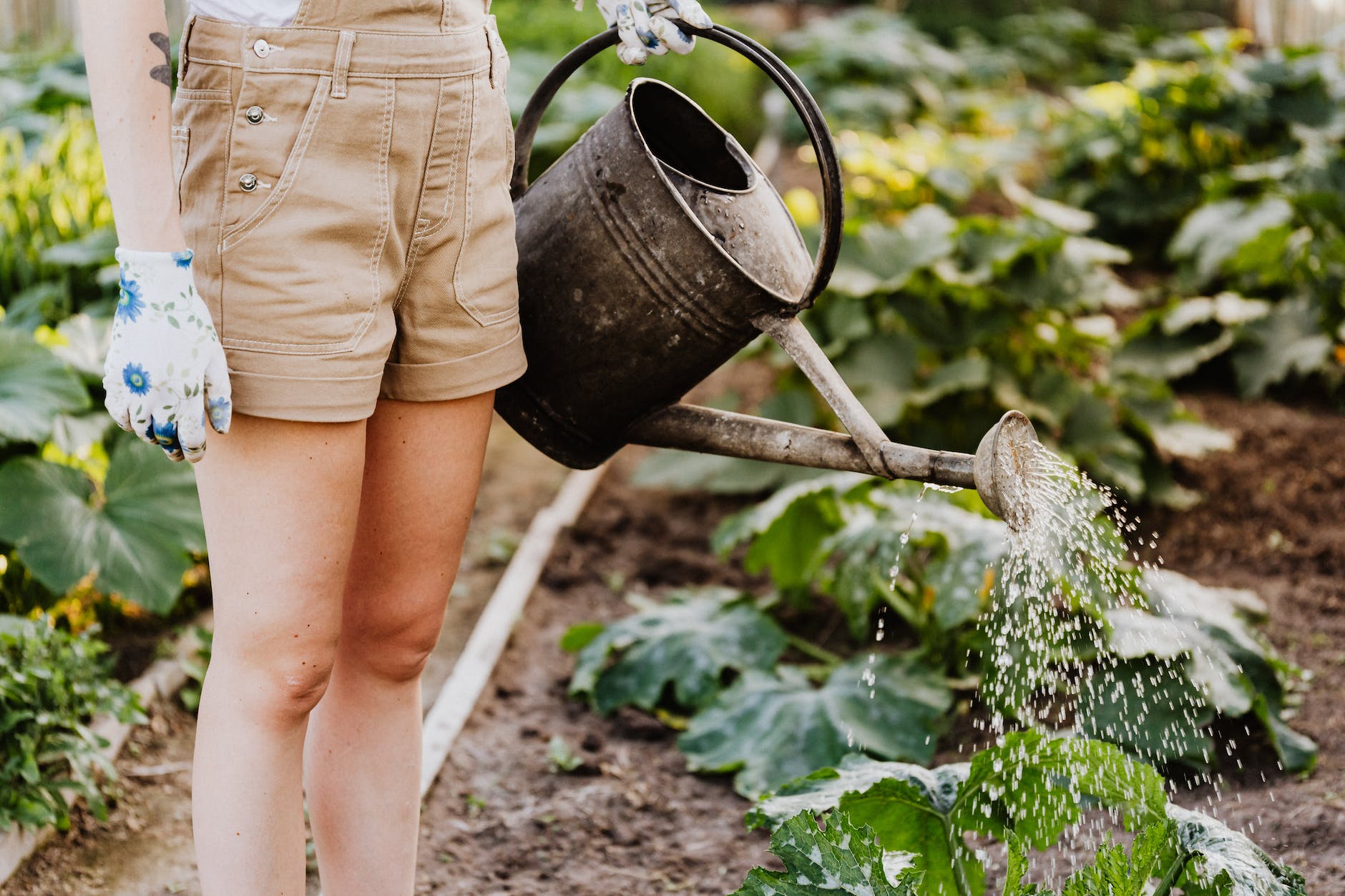
Gardening can be a therapeutic and meditative activity that promotes mindfulness and reduces stress. Growing your own fruits and vegetables can also provide a sense of accomplishment and contribute to a healthy diet! Before planting a garden, consult online resources such as Home Garden Hero for gardening advice from experts.

person in brown shorts watering the plants
Photo by Karolina Grabowska
  1. Practice Good Sleep Hygiene

Sleep is essential for good mental health, and practicing good sleep hygiene can improve the quality and quantity of your sleep. Good sleep hygiene includes activities like sticking to a regular sleep schedule, avoiding caffeine and alcohol before bed, and creating a relaxing bedroom environment.

  1. Join a Laughter Yoga Class

Laughter yoga combines deep breathing, gentle yoga stretches, and laughter exercises to promote relaxation, reduce stress, and elicit feelings of happiness. According to Healthline, laughter yoga can also increase social connectedness and strengthen relationships! Joining a laughter yoga class is a fun and unique way to improve your mental health.

charming diverse girls on rugs during yoga
Photo by Monstera
  1. Experiment with Sensory Therapy

Sensory therapy involves using different sensory stimuli to promote relaxation and reduce stress. These stimuli may include aromatherapy, sound therapy, or tactile stimulation. Experiment with different sensory therapy techniques at home to find what works best for you.

  1. Do Some Coloring

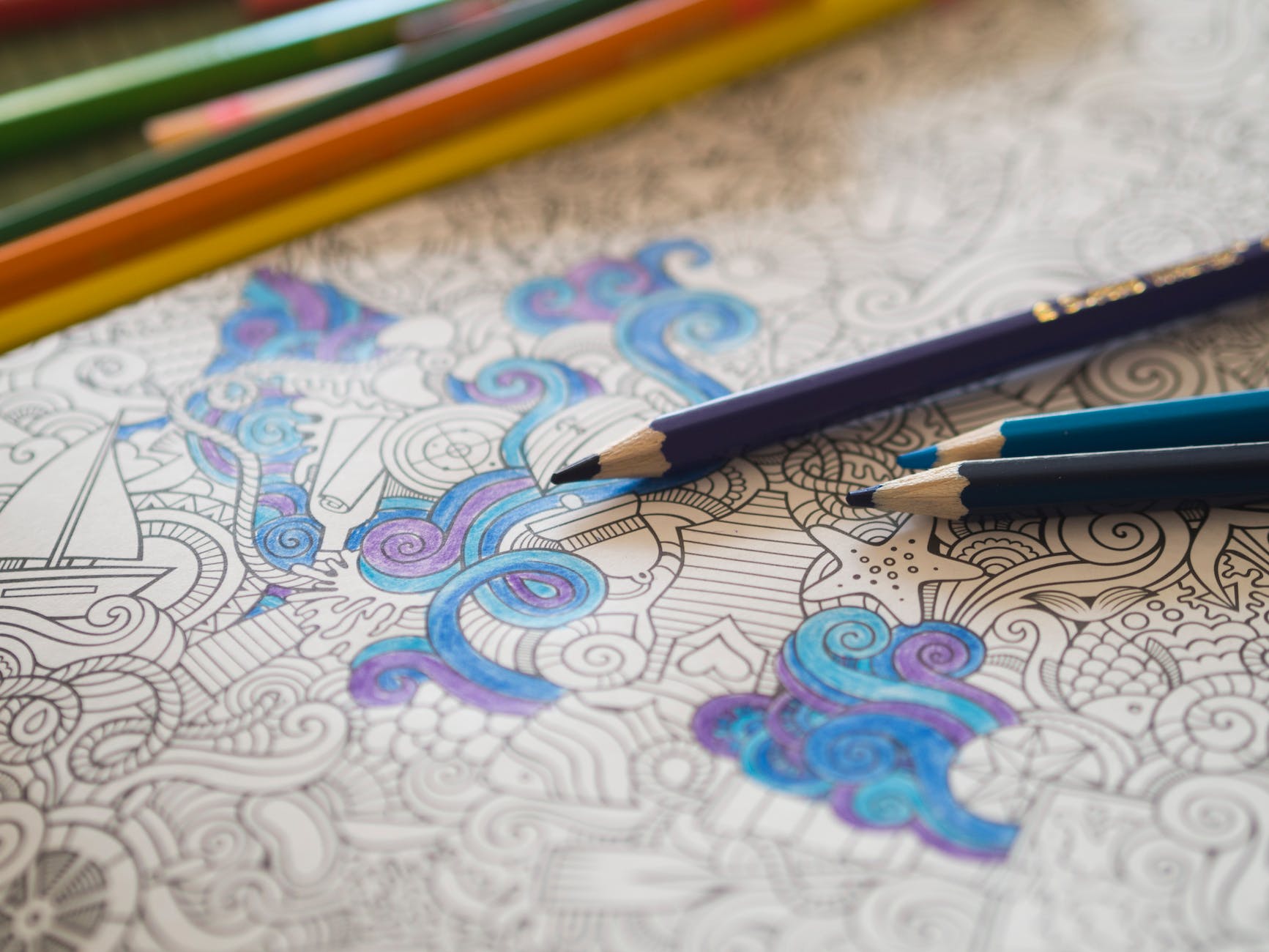
Coloring has been shown to reduce stress and anxiety by promoting mindfulness and relaxation. Coloring is a great way to exercise focus, attention to detail, creativity, decision-making, and a range of other cognitive skills. You can find adult coloring books in a range of styles and themes to fit any artistic interest.

close up shot of colored pencils
Photo by Jul Chi
  1. Commit to a Digital Detox

According to Happify, taking regular breaks from technology can go a long way toward reducing stress and improving your ability to focus. Commit to a daily or weekly digital detox by setting aside time to unplug and engage in activities offline. For example, you might use this time to read, spend time with nature, or connect with friends.

  1. Take a Guided Therapy Hike

Combining therapy with hiking or walking in nature is a great way to enjoy the whole-body benefits of exercise while chatting with a therapist about your mental health concerns. Hiking therapy can help you work through issues in a supportive and natural setting and may help you feel more comfortable about opening up.

two person wearing hiking shoes
Photo by Noel Ross
  1. Try a Sensory Deprivation Experience

Sensory deprivation involves removing external stimuli to promote relaxation and reduce stress. This can include floating in a sensory deprivation tank, which is an isolated, soundproof, dark tank filled with saltwater that suspends your body in a weightless environment. Many people find sensory deprivation experiences to promote relaxation and mindfulness.

  1. Schedule Solitary Time

Alone time is essential for self-reflection and stress reduction. Try to schedule at least 30 minutes of alone time every day and use this time to recharge and do something you enjoy. Don’t feel like you have to be productive during your solitary time. Just relish the sweet silence for a while!

woman sitting on window reading book
Photo by Thought Catalog

If you want to improve your mental health, look beyond traditional, well-known strategies. Try incorporating a few unique mental health activities into your routine, such as planting a garden or starting a local nonprofit company, to enjoy a more comprehensive approach to wellness.


What helps you to boost your mental health and well-being? Share them in the comments below!


WEBSITE DISCLAIMER

This website is provided only for informational purposes and not intended to be used to replace professional advice, treatment or professional care. Always speak to your physician, healthcare provider or pediatrician if you have concerns about your own health or the health of a child.
Beyond Skin Deep: Holistic Health for Glowing Skin

Health & Lifestyle

Presented by Rhiannon Lockart, RHN with Organika (source)

The skin is a reflection of what’s going on inside the body. 

What’s causing my skin issues?

Some common triggers for skin issues include:

  • An unbalanced gut
  • Sluggish detox pathways (i.e., liver)
  • Food intolerances/sensitivities
  • Hormone imbalances
  • Lack of sleep
  • High-stress lifestyle
  • Hydration 
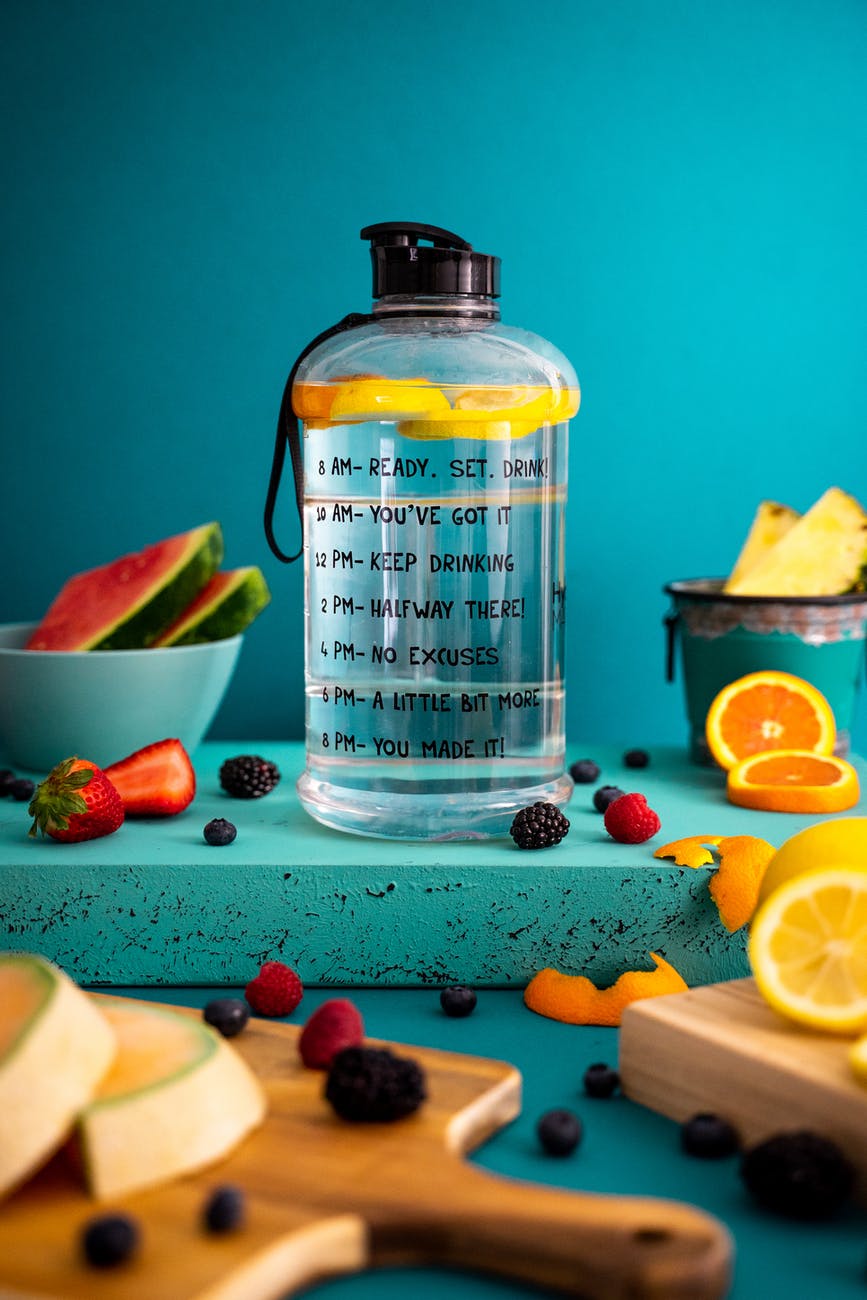
slices assorted fruits near water bottle

Balancing Your Gut

  • Your gut is made up of good and bad bacteria
  • When it’s imbalanced, we can have trouble absorbing the right nutrients and getting rid of toxins
  • When it shows up on your skin, you’re not moving it through your body (extra toxins, additional hormones)
  • Skin is another organ of elimination

What to look out for:

  • Acne, eczema and/or rosacea 
  • Mental fatigue/brain fog
  • Inability to focus
  • White coating on the tongue
  • Digestive issues 

Keep Things Moving 

  • Regular bowel movements are KEY – at least one daily
  • Constipation can lead to poor skin health as we are unable to rid toxins and excessive hormones
  • Constipation can also create an imbalance of our good and bad bacteria (dysbiosis) 

Gut Disruptors

  • Sugar intake (refined sugars)
  • NSAIDs (like Advil)
  • Excessive alcohol
  • Nutrient deficiencies 
  • Inflammation
  • Stress
  • Yeast overgrowth
  • Antibiotics (can wipe out good bacteria) 
  • Certain medications (Birth Control Pill & PPIs)
  • C-sections 

What does detox have to do with my skin?

  • Our skin is our largest organ of elimination
  • When we’re not working optimally inside, this can show up in skin issues like:
    • Acne
    • Early signs of aging
    • Eczema
    • Rashes
    • Rosacea 
woman in black shirt holding white towel

The Liver

  • Detox pathways need to be working well for good skin health 
  • Drinking isn’t the only thing that can affect your liver
  • What else should you look out for?
    • Environmental toxins 
    • Cleaning products
    • Beauty products 
    • Food sensitivities 
    • Poor diet 

What does my liver do?

  • Primary detox organ 
  • Removes toxins and flushes out excess hormones 
  • When it’s overburdened, toxins and hormones may be re-circulated back through your body
    • Regular bowel movements are also essential
  • Our liver deals with a lot of additional pollutants that we are surrounded by every day 
  • Since our skin is another detox organ, we can see signs of liver congestion with skin issues 

Foods to Include

  • Plants: high in antioxidants to combat free-radical damage
  • Cruciferous vegetables: cauliflower, broccoli, cabbage to support liver detox
  • High-fibre foods: slow carbohydrate, leafy greens, low-sugar fruit 
  • Probiotic-rich foods: kefir, sauerkraut, kimchi, tempeh, miso paste
  • Clean protein sources: legumes, eggs, unprocessed soy, meat, collagens, bone broth 
white ceramic bowl with yellow liquid

Foods to Avoid

  • High sugar-foods
  • Dairy (can be inflammatory for some people)
  • Alcohol
  • Coffee
  • Foods you are sensitive to
    • If you’re unsure, take a food sensitivity test or do an elimination diet

Lifestyle Tips 

  • Use natural homemade cleaning products
    • All-purpose cleaners
    • Hand and dish soaps
    • Laundry detergents
  • Check your beauty routine and products
  • Add in some stress-management practices
  • Get quality sleep
  • Move your body daily  
set of natural reusable cosmetic products

Collagen

  • Is the most abundant protein in mammals
  • Makes up:
    • 70-80% of our skin
    • 80% tendons
    • 60% muscle mass
    • 60% cartilage 
  • You need Vitamin C to create collagen in your body 

Do I have to supplement?

  • Our body makes collagen on its own
  • As we age, our body doesn’t create collagen like it did when we were young
    • This starts to happen at around 25 years old
  • Supplementing with collagen as we age is extremely important
    • Collagen can also help repair our gut lining
    • Collagen and bone broth contain glutamine

Choosing the Right Collagen

Enhanced Collagen

Marine Collagen

  • Comes from Canadian, wild-caught fish in the North Atlantic ocean
  • Great option for pescatarians
  • Bio-available: body absorbs it a little differently 
  • Hair, skin, nails, gut support 
  • Organika’s Marine Collagen

Plant-Based Collagen Booster

Bone Broth (Chicken)

  • Comes from cage, hormone & antibiotic-free chickens
  • Contain Type 2 collagen which is primarily found in cartilage
  • Bone broth is high in glutamine, which also supports better gut health
  • Organika’s Chicken Bone Broth

Pre + Probiotics

  • Prebiotics: feed and nourish good bacteria
  • Probiotics: provide beneficial bacteria 
  • Together they help to provide and nourish our guts with beneficial bacteria 
  • Organika’s Probiotic + Prebiotic Powder

Better bacteria = better bowel movements and less toxins re-circulating in our body. 

Tremella Mushroom

Chlorophyll

  • What gives leaves their green pigment
  • Helps to activate liver detoxification
  • High in antioxidants
  • Pair with lemon for extra detoxifying and digesting 
  • Can also reduce body odor
  • Can help boost energy as it “oxygenates” our blood 
  • Organika’s Chlorophyll

Organika Recipes


More from Organika
More from Rhiannon Lockhart, RHN

WEBSITE DISCLAIMER

This website is provided only for informational purposes and not intended to be used to replace professional advice, treatment or professional care. Always speak to your physician, healthcare provider or pediatrician if you have concerns about your own health or the health of a child.

10 Ways to De-Stress Your Life

Health & Lifestyle, Self-Regulation

Presented by Ella Woodward with Erin Zammett Ruddy (source)

  1. Don’t Put It Down, Put It Away
  • Saying you’re going to do something later is how clutter begins
  • Anything that can be done in 1 minute should be done right away
  • Tidy house, tidy mind
  • The more often you clean, the less you have to clean

2. Don’t Hit the Snooze Button

  • We should be going to bed and waking up around the same time
  • Get outside and into the sunlight ➜ tells your brain to wake up
  • Set yourself up for a great day ➜ how you wake up matters
  • Create a morning routine
brown couch beside clear glass panel door

3. Be Kinder to Yourself

  • Review and reflect at the end of each day
    • What went good? What went bad? What could have been better?
  • Do so from a place of gratitude
  • Everyday is a new day for new opportunities
  • We are all works in progress

4. Declutter Spaces

  • Focus on yourself, not the stuff
  • Think about the vision you have for your life and a space
    • E.g., a place of creativity
  • There are 2 types of clutter (Peter Walsh, author of Let It Go):
    • Memory: things we save because it reminds us of someone, an achievement or event
    • “I Might Need It One Day”: things saved for an imagined future
  • Re-name your “junk drawer” and organize it
    • 15-Minute Wins: 15 minutes is the time you should spend cleaning out this drawer
      • Dump, sort, divide, put back and away

5. Set Yourself Up For Success When Working from Home

  • Give yourself a specific area or corner to work from
  • Don’t start work the moment you wake up (have a morning routine)
  • Dress and feel like you’re working
    • If you’re out of your pajamas it signals to others you’re working
  • Don’t multi-task, set boundaries
    • Treat your workday like one and take real breaks
      • Give your brain a rest (e.g., go for a walk; don’t do a load of laundry)

6. Manage Your To-Do List

  • Don’t put things on a to-do list you know you won’t do
  • Transferring your list onto a calendar with a specific time frees it from your mind
  • “Eat a frog” (Mark Twain): it’s best to do big tasks first things in the morning when you’re more awake/alert
    • Wake up early, be productive, knock things off your list
brown framed eyeglasses on a calendar

7. Manage Your Inbox / Emails

  • Get new emails out of the way first
  • Focus on writing clear emails in the subject line (start with the conclusion in mind)
    • Use bullet points and white space (people are usually reading emails on their devices)
  • Reply All if you’re on a chain (so everyone knows they have your buy-in)
  • CC only the necessary people when sending emails
  • Give specific deadlines
    • Don’t use “by end of day” (everyone’s “end of day” is different)
    • Give a specific time (e.g., Friday at 3:15 pm)  
  • Write efficient emails
    • Bold certain things, get to the points
    • Write emails that are easy to respond to

8. Meditate

  • “If you want to make your body stronger, you have to move it. If you want to strengthen your brain, you have to keep it still.” – Suze Yalof Schwartz
  • Practice a 5-minute meditation in the morning (see: Meditation Tools & Tips)
    • Close your eyes, quiet your mind, focus on your breath (putting hand on chest helps)
    • Be in the present moment
    • Name it (thoughts, feelings) to tame it
serene plus size female meditating in lotus pose

9. Take Naps

  • Put yourself in a quiet room, remove devices
  • Keep room cool (a slight drop in body temperature signals sleep to your brain)
  • Set yourself up (e.g., sleep aids: sleep mask, white noise)
  • Have a piece of paper to write things down that may come to mind right before you go to take a nap
  • The best time to take a nap is when you feel you need it and are able to

10. Say No

  •  Ask yourself: “Would I be willing to do this tomorrow?”
  • Think about your future self
  • Remind yourself that your time is valuable
  • Being busy is different from being productive
    • Fill your calendar with things that are important to you and that you have to do
  • As soon as you know you’re going to say no, say no (Book suggestion: Set Boundaries, Find Peace)

Final Reminders

  • Be considerate of your future self (e.g., when waking up, spending money, with what you’re eating)
  • Focus on how you’re doing things
    • Be more mindful and conscious
    • Find joy in the tiny areas of life that are apart of life (e.g., washing dishes, making the bed, etc.)
  • Make small changes that have a big payoff on your well-being

Resources:

The Little Book of Life Skills by Erin Zammett Ruddy


WEBSITE DISCLAIMER

This website is provided only for informational purposes and not intended to be used to replace professional advice, treatment or professional care. Always speak to your physician, healthcare provider or pediatrician if you have concerns about your own health or the health of a child.

Let’s Talk About… Rejection

Health & Lifestyle

Presented by Jeremy Godwin, host of Let’s Talk About Mental Health (source)

I am no stranger to the feeling of rejection. Whether it be for a job or opportunity I applied for and was turned down from, a date that resulted in being friend zoned, or a text that went unacknowledged. I could go on and on about other moments of rejection in my life, but instead, I want to share a podcast episode I came across after looking for one specifically on this topic. Wondering why I was searching for information on rejection? Well, for one, it’s an uncomfortable feeling that I’m sure we all have experienced and don’t spend much time talking about. Secondly, one thing I know for certain is that we humans are social beings. We seek connection and a sense of belonging. When those needs are met with being rejected, left out, or unaccepted, it can leave us feeling deeply hurt. I know this because not only have I experienced it, but I’m sure it has been felt by many in the wake of the pandemic and the social isolation we experienced, or that was heightened for others. In this post, I will share some notes from the episode Let’s Talk About… Rejection with Jeremy Godwin, host of the Let’s Talk About Mental Health podcast. In this episode he shares a definition for what rejection is, why understanding its impact matters for good mental health, and how to deal with it.

What is Rejection?

  • Rejection is when another person avoids or ignores you
  • Related to words such as: abandonment, exclusion, shunning, desertion
  • Examples:
    • Being pushed away based on personal aspects that another person doesn’t like or agree with
    • Someone you’ve dated deciding not to see you again
    • A friend deciding the friendship has run its course
    • A family member not agreeing with who you are
    • A work colleague excluding you
    • A million and one other scenarios . . .
  • Goes against our instinctive desire to belong, feel seen, valued, and respected as a human being
  • Can follow a major argument or can come out of nowhere
  • Results in confusion, anger, hurt, sadness, self-doubt
  • Rejection is painful and can activate insecurities, doubts and deepest fears
expressive multiethnic couple having conflict on street

Understanding the Impact of Rejection Matters

“As far as your brain is concerned, a broken heart is not so different than a broken arm.”

Naomi Eisenberger, PhD
  • People who routinely feel excluded have poorer sleep quality and their immune systems don’t function as well as those of people with strong social connections
  • Rejection can cause emotional and cognitive consequences
    • Social rejection increases anger, anxiety, depression, jealousy, sadness
    • Reduces performance on difficult intellectual tasks and can contribute to aggression and poor impulse control
  • Identifying what you’re feeling and taking action is essential
  • The pain of rejection is felt because we are hardwired to want to belong
  • See rejection as a sign that something needs to change, whether you want it to or not
  • Only you have control over what you do, say, feel and what happens next
  • Learn from rejection in order to grow

How to Deal with Feelings of Rejection

  • Feel What You Need to Feel
    • Strong feelings of rejection or sadness happen to us because we care
      • For example, an emotional connection such an intimate or family relationship, or,
      • Wanting approval at work or maintaining a reputation
    • Feelings and thoughts are not facts, but reflections of our emotional state and if our needs are being met (e.g., the need to be accepted)
    • There is no right or wrong when it comes to your emotions, and how you feel is how you feel
    • The only way through it is through it
    • Process and work through your feelings (e.g., with a counsellor or therapist)
crop ethnic psychologist writing on clipboard during session
  • Remind Yourself It’s Not Personal
    • Hard to do when it feels personal
    • When someone rejects you it is about them and their choices
      • For example, the other person is fearful about a relationship moving too quickly and they’re not ready for that, or,
      • A family member set in their ways and not willing to accept others as they are
  • You May Never Know Why
    • Rejection can come with no warning or a surface level explanation
    • Closure is not a given
  • Healthy and Positive Relationships
    • Spending time with people you have healthy and positive connections with can lift mood
    • Positive social interactions can release opioids which give you a natural mood boost, such as with exercise
    • Seek healthy relationships or lean into the ones you already have
      • Take time for yourself and spend it with supportive people
  • Journaling
    • Can help to get emotions out
photo of person holding cup

Sometimes rejection in life is redirection.


Affirmations for Moving On by Ashley Diana

Rejection hurts, but it doesn’t define me.

I’m OK with rejection. It means I took a chance. I took a risk. I stood up for myself.

Rejection simply means that that thing is no longer meant for me.

I’m OK with being led in a different direction.

I happily accept that they were the wrong direction.

Source: Reframing Rejection: Affirmations for Moving On! Don’t Let Rejection Keep You Down


Let’s get comfortable talking about rejection.

What are some ways you have dealt with rejection?

Share them in the comments.

👇🏾


WEBSITE DISCLAIMER

This website is provided only for informational purposes and not intended to be used to replace professional advice, treatment or professional care. Always speak to your physician, healthcare provider or pediatrician if you have concerns about your own health or the health of a child.