the calm educator

Sharing keys to a calm brain and body.

Menu

Skip to content
  • Home
  • About
    • Samantha
    • My Website
    • Yoga
      • From Classroom to Mat
  • Blog
    • Early Childhood
      • 5 Tips For Kick-Starting At-Home Learning
      • 7 Ways to Try and Get Kids to Eat their Veggies
      • Attachment Styles
      • Becoming an ECE
      • Flow is Happiness & Children’s Play
      • Just Playing
      • Kid-friendly Superfoods for Health and Immunity (SMOOV Superfood Blends)
      • Kid-friendly Superfoods for that Sweet Tooth (SMOOV Superfood Blends)
      • Simple Ways to Help Kids Cope with & Manage Stress
      • The Day I Met Dr. Bruce Perry
      • Tips for Teachers Going Back to Work
      • What is ECD?
    • Self-Regulation
      • What is Self-Regulation? >
        • Stress & Stressors
      • 5 Tips for Teachers to Start the School Year Grounded
      • Easy Breathing Exercises to Boost Calm
      • How I Got Through Some of My Lowest Days in Lockdown
      • How to Breathe! To Activate the Calm Response in Your Body
      • Noticing a Shift in My Energy and Tension
      • “There is only now.”
      • Understanding Envy: A Path to Self-Love
      • Why Birthdays Matter Beyond the Day Itself
    • Health & Lifestyle
      • 5 Lessons 2020 Has Taught Me
      • 5 Ways to Boost Your Immune System
      • 7 Ways to Practice Mindful Eating
      • 9 Different Kinds of Hunger
      • A Personal Experience with Body Healing Modalities
      • Brain-Gut Connection
      • Let’s Talk Adaptogens!
      • Mindful Communication
      • Mindfulness & Meditation. What’s the Difference?
      • My Wellness Kit
      • Self-Care Begins With You
      • Self-Care is Never Selfish
  • Notebook
    • Early Childhood
      • 3 Keys to Help Your Child Cope During the COVID-19 Pandemic
      • A Conversation on Trauma and its Impact on Brain Development
      • The Science of Early Childhood Development
    • Self-Regulation
      • Deborah Dana: Befriending Your Nervous System
      • Five Stress Healing Solutions
      • The Vagus Nerve and 5 Ways to Tone It
    • Health & Lifestyle
      • Organika Webinars >
        • Beyond Skin Deep: Holistic Health for Glowing Skin
        • Gut Health 101
        • Strengthening Your Immune System
        • Sleep & Stress Management
        • Your Mental Health Matters: Extra Brain-Love During Times of Stress
        • Your Hormones: Finding Balance for the Modern-Day Woman
      • Gut Health with Dr. Mary Pardeep >
        • Introduction to Gut Health
        • How Digestion Works
        • What Healthy Poop Looks & Smells Like
        • The Brain-Gut Connection
        • Mindful Eating (Where Digestion Begins)
      • Race & Social Justice >
        • Notice the Rage; Notice the Silence
        • Compassion in Action: Mindfulness for a Just Society
      • 10 Ways to De-Stress Your Life
      • A Gratitude Exercise
      • Eating Mindfully
      • Establishing a Daily Mindfulness Practice
      • How to Sleep for Peak Mental Performance
      • Let’s Talk About… Rejection
      • Meditation Tools & Tips
      • Some Things to Remember When a Friendship Ends
      • The Foundation of Mindfulness Practice
      • The Science of Yoga
  • Resources
    • Early Childhood
    • Self-Regulation
    • Health & Lifestyle
  • Contact

How to Sleep for Peak Mental Performance

white bed linen

Photo by Kristin Vogt

Presented by Kwik Brain with Jim Kwik (feat. Dr. Shane Creado) (source)

Tags: brain, health, performance, sleep

Dr. Shane Creado
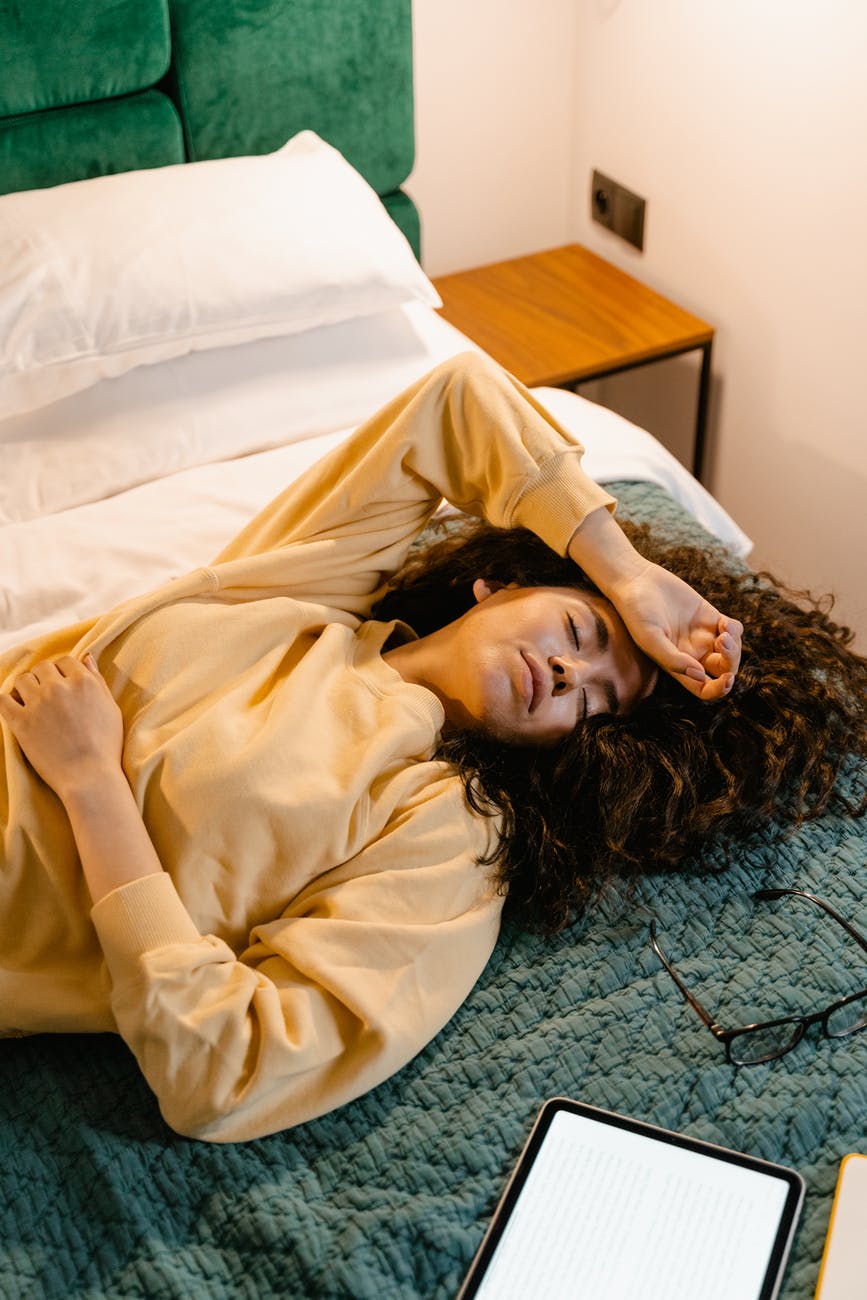
a woman lying on bed
Photo by MART PRODUCTION

Author of Peak Sleep Performance for Athletes: The Cutting-edge Sleep Science That Will Guarantee a Competitive Advantage

Sleep

  • Is free, modifiable and can be used as a performance enhancing tool
  • A mini vacation every 24 hours
  • The most vulnerable thing we do
  • Should be enjoyed in a meaningful way leading up to it

Sleep & Performance

  • Quality, quantity and timing of sleep are all important
    • Quality can be impacted by:
      • sleep apnea
      • pain
      • anxiety
      • disrupted sleep
    • The timing of our sleep is based on our circadian rhythm
      • Social jetlag: the discrepancy in a person’s sleep pattern between the weekday and the weekend (e.g., catching up on sleep on the weekends)
        • can impact brain and whole-body health
  • Chronic sleep problems can impact the brain by:
    • slowing down processing speed, learning, retention
    • increasing difficulty with executive functioning, multi-tasking, planning, organization
    • affecting daily routines and responsibilities (e.g., learning in school, running a business, parenting)
    • impacting learning centers in the temporal lobes which help with regulating emotions and new learning
  • Sleep loss can contribute to ailments in the body
  • 69% of high school students do not get adequate sleep, and this is associated with lower GPA and increased drop-out rates

Improving Sleep

bed with pillows in light room
Photo by Rachel Claire
  • A 30-minute increase in sleep can help to improve performance and reaction time
    • e.g., strategic napping involves being in-sync with sleep needs and your natural circadian rhythm
      • 25-30 minutes is great; 45-60 minutes forces the brain to wake-up out of a deeper stage of sleep
  • Know yourself and:
    • the difference between tiredness and sleepiness
      • tiredness: exhaustion (e.g., after running a marathon)
      • sleepiness: low endorphins and adrenaline
    • how much sleep you need to feel refreshed in the morning
      • e.g., have a fixed wake up time, get to bed when sleepy, and estimate how much sleep you got in the morning
  • Most adults need between 6-9 hours of sleep; athletes: 10.5-12 hours; teenagers: 9 hours
  • 90 minutes is 1 sleep cycle; 7.5 hours of sleep is 5 sleep cycles
  • Build in a calming wind-down bedtime routine:
    • take a warm shower, brush teeth, meditate, write a to-do list

More from Dr. Shane Creado:

  • Link
  • Facebook
  • Instagram
  • YouTube

WEBSITE DISCLAIMER

This website is provided only for informational purposes and not intended to be used to replace professional advice, treatment or professional care. Always speak to your physician, healthcare provider or pediatrician if you have concerns about your own health or the health of a child.

Share this:

  • Click to share on X (Opens in new window) X
  • Click to share on Facebook (Opens in new window) Facebook
  • Click to email a link to a friend (Opens in new window) Email
Like Loading...
Website Built by WordPress.com.
  • Subscribe Subscribed
    • the calm educator
    • Already have a WordPress.com account? Log in now.
    • the calm educator
    • Subscribe Subscribed
    • Sign up
    • Log in
    • Copy shortlink
    • Report this content
    • View post in Reader
    • Manage subscriptions
    • Collapse this bar
 

Loading Comments...
 

    %d