the calm educator

Sharing keys to a calm brain and body.

Menu

Skip to content
  • Home
  • About
    • Samantha
    • My Website
    • Yoga
      • From Classroom to Mat
  • Blog
    • Early Childhood
      • 5 Tips For Kick-Starting At-Home Learning
      • 7 Ways to Try and Get Kids to Eat their Veggies
      • Attachment Styles
      • Becoming an ECE
      • Flow is Happiness & Children’s Play
      • Just Playing
      • Kid-friendly Superfoods for Health and Immunity (SMOOV Superfood Blends)
      • Kid-friendly Superfoods for that Sweet Tooth (SMOOV Superfood Blends)
      • Simple Ways to Help Kids Cope with & Manage Stress
      • The Day I Met Dr. Bruce Perry
      • Tips for Teachers Going Back to Work
      • What is ECD?
    • Self-Regulation
      • What is Self-Regulation? >
        • Stress & Stressors
      • 5 Tips for Teachers to Start the School Year Grounded
      • Easy Breathing Exercises to Boost Calm
      • How I Got Through Some of My Lowest Days in Lockdown
      • How to Breathe! To Activate the Calm Response in Your Body
      • Noticing a Shift in My Energy and Tension
      • “There is only now.”
      • Understanding Envy: A Path to Self-Love
      • Why Birthdays Matter Beyond the Day Itself
    • Health & Lifestyle
      • 5 Lessons 2020 Has Taught Me
      • 5 Ways to Boost Your Immune System
      • 7 Ways to Practice Mindful Eating
      • 9 Different Kinds of Hunger
      • A Personal Experience with Body Healing Modalities
      • Brain-Gut Connection
      • Let’s Talk Adaptogens!
      • Mindful Communication
      • Mindfulness & Meditation. What’s the Difference?
      • My Wellness Kit
      • Self-Care Begins With You
      • Self-Care is Never Selfish
  • Notebook
    • Early Childhood
      • 3 Keys to Help Your Child Cope During the COVID-19 Pandemic
      • A Conversation on Trauma and its Impact on Brain Development
      • The Science of Early Childhood Development
    • Self-Regulation
      • Deborah Dana: Befriending Your Nervous System
      • Five Stress Healing Solutions
      • The Vagus Nerve and 5 Ways to Tone It
    • Health & Lifestyle
      • Organika Webinars >
        • Beyond Skin Deep: Holistic Health for Glowing Skin
        • Gut Health 101
        • Strengthening Your Immune System
        • Sleep & Stress Management
        • Your Mental Health Matters: Extra Brain-Love During Times of Stress
        • Your Hormones: Finding Balance for the Modern-Day Woman
      • Gut Health with Dr. Mary Pardeep >
        • Introduction to Gut Health
        • How Digestion Works
        • What Healthy Poop Looks & Smells Like
        • The Brain-Gut Connection
        • Mindful Eating (Where Digestion Begins)
      • Race & Social Justice >
        • Notice the Rage; Notice the Silence
        • Compassion in Action: Mindfulness for a Just Society
      • 10 Ways to De-Stress Your Life
      • A Gratitude Exercise
      • Eating Mindfully
      • Establishing a Daily Mindfulness Practice
      • How to Sleep for Peak Mental Performance
      • Let’s Talk About… Rejection
      • Meditation Tools & Tips
      • Some Things to Remember When a Friendship Ends
      • The Foundation of Mindfulness Practice
      • The Science of Yoga
  • Resources
    • Early Childhood
    • Self-Regulation
    • Health & Lifestyle
  • Contact

How’s Your Gut Health?

Photo by Trang Doan

Presented by Rhiannon Lytle, RHN with Organika (source: Full Webinar)

Tags: body, brain, gut, immune system
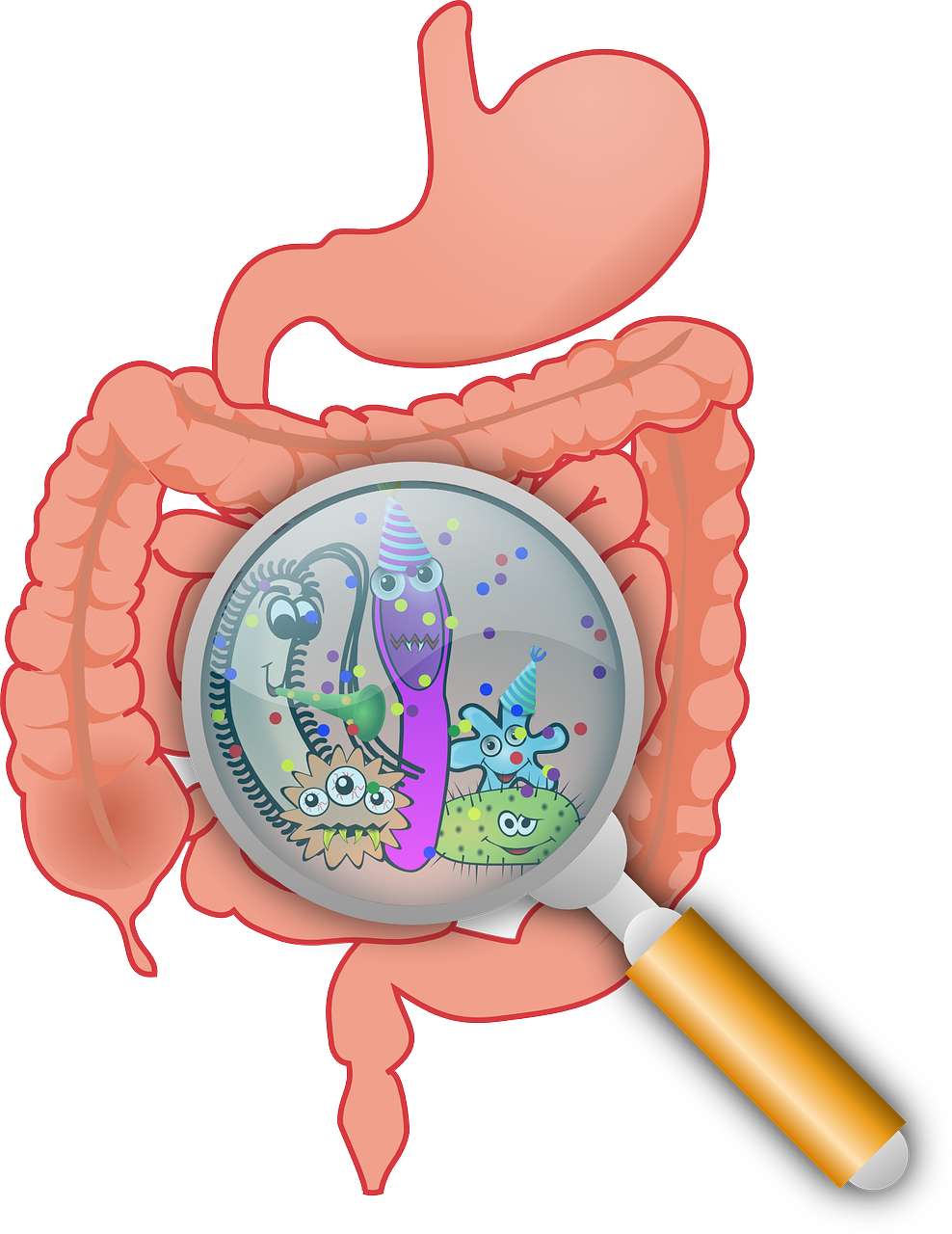
Photo by Needpix

Gut Microbiome

  • Gut: everything from mouth to rectum 
  • Microbiome: bacteria, viruses that live on and in the body
    • Everything has a microbiome (even the skin)
  • Gut microbiome is like a “little rainforest” in your body that is made up of cells and organisms 
    • Everything works in conjunction (you need good and bad; when off balance problems can arise)
    • Medication or illness can disrupt microbiome and cause an imbalance 

Dysbiosis

  • An imbalance of too much bad or not enough good organisms composed in the gut  
    • Candida (yeast overgrowth) 
    • Small Intestinal Bacterial Overgrowth (SIBO)
    • Irritable Bowel Syndrome/Disease (IBS/IBD)
  • Indicators: uncontrollable sugar cravings, bloating after meals, constipation 

Leaky Gut

  • Formally known as Intestinal Permeability 
  • Our intestinal wall has small gaps (called tight junctions) to let water and nutrients that our body needs daily to pass through 
  • Due to inflammatory factors (e.g. foods, medication, illness), small gaps can grow larger in the lining of our gut, allowing toxins and undigested food particles through 

Gut Disruptors

  • Refined sugar intake 
    • Processed foods, white sugar; can lead to candida (yeast overgrowth)
  • Non-Steroidal Anti-Inflammatory Drugs (NSAIDs)
    • Advil
  • Excessive alcohol
    • Depletes good bacteria 
  • Nutrient deficiencies
    • Vitamin A, E, Zinc
  • Inflammation
    • Leaky gut causing irritation/dysbiosis
  • Stress 
    • Causes hormone imbalances
  • Antibiotics
    • Pulls out good gut bacteria
    • Taking probiotics after or alongside antibiotics helps create good bacteria
  • Certain medication

Gut-Brain Connection 

Photo by Pixabay
  • There are 500 million neurons in our gut that connect to our brain
  • Gut (also referred to as our “second brain“) communicates with our actual brain through our nervous system, hormones and immune system 
    • Called our “gut-brain axis”
  • Vagus nerve is a major nerve connecting our gut and brain
    • Critical for digestion, heart rate, blood, sleep
    • Important to rest and digestion; slowing down breathing supports digestion and nutrient absorption (engages stomach acid preparing us to eat)
  • Our gut is a hub for neurotransmitter production of:
    • Serotonin: the happy hormone
      • Impacts our mood and how we digest food
    • Gamma-Aminobutyric Acid (GABA): controls fear and anxiety
  • How we feel impacts gut; gut can impact how we feel

Gut-Immunity Connection 

  • Gut consists of  70% of the cells that make up our immune system
  • Intestinal lining is our first line of defense in our immune health 
    • If our lining isn’t working optimally, our immune system may jump in to support
  • Poor gut health can lead to increased inflammation 

Foods to Consume 👍

  • Foods to reduce inflammation:
    • Fatty fish
    • Leafy greens
    • Nuts
Photo by Piqsels
  • Foods high in probiotics:
    • Sauerkraut 
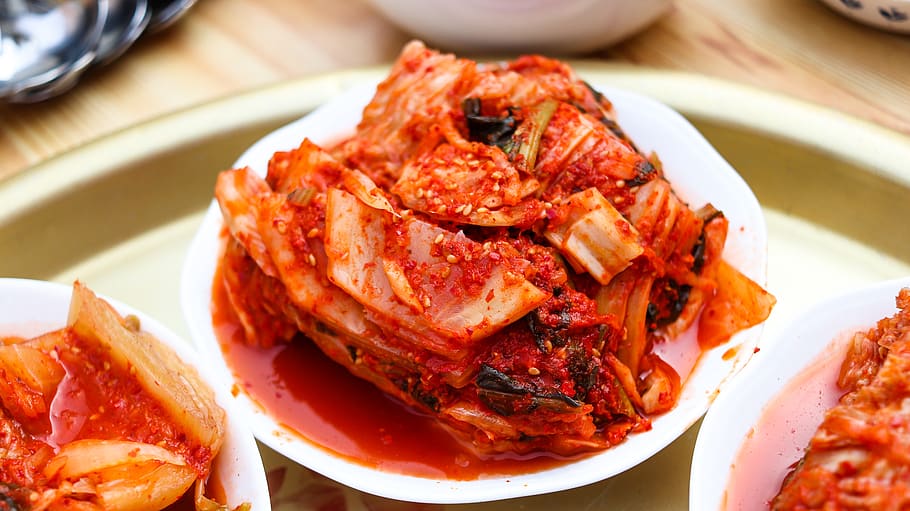
    • Kimchi
    • Kombucha
    • Kefir
    • Tempeh
  • Foods high in fibre:
    • Fruits & vegetables 
    • Oats
    • Quinoa
    • Beans
  • Foods that increase neurotransmitters:
    • Tryptophan (an amino acid that is important for the production of serotonin)-rich foods like poultry, eggs, spinach, seeds
    • GABA-increasing foods like bone broth, whole grains, fermented foods, oolong tea

Foods to (consider) Avoiding 🙅

  • Refined sugars
  • Alcohol 
  • Dairy
  • Gluten 
  • Caffeine

Organika Recipes

  • Slower Cooker Beef Stew
  • Reishi Cacao Smoothie
  • Enhanced Collagen Yogurt Parfait

More from Organika
  • Link
  • Facebook
  • Instagram
  • YouTube
  • Spotify

WEBSITE DISCLAIMER

This website is provided only for informational purposes and not intended to be used to replace professional advice, treatment or professional care. Always speak to your physician, healthcare provider or pediatrician if you have concerns about your own health or the health of a child.

Share this:

  • Click to share on X (Opens in new window) X
  • Click to share on Facebook (Opens in new window) Facebook
  • Click to email a link to a friend (Opens in new window) Email
Like Loading...
Website Built by WordPress.com.
  • Subscribe Subscribed
    • the calm educator
    • Already have a WordPress.com account? Log in now.
    • the calm educator
    • Subscribe Subscribed
    • Sign up
    • Log in
    • Copy shortlink
    • Report this content
    • View post in Reader
    • Manage subscriptions
    • Collapse this bar
 

Loading Comments...
 

    %d