The Day I Met Dr. Bruce Perry

Early Childhood

There is no way that I can share my passion and interest around studying, learning about, and understanding child and brain development without mentioning Dr. Bruce Perry, how I met him, and how this journey all began for me. This article is all about the events that led up to the day that I met Dr. Bruce Perry, exactly 6 years ago today.

Read About Me, and one important moment you will learn about my story is that I spent 2 years studying in a program that I eventually came to discover was not for me. Coming from a high school that focused on technology, computer science and business, a significant selection of the courses I was enrolled in at the time were computer/business related, such as accounting, marketing and business leadership. With all of those courses already under my belt, I naturally assumed I would be best suited towards (and most likely to be accepted to) an academic career within the field of business. As a result, it was towards a Bachelors in Human Resources Management (BHRM) that I ventured. By the end of my second year, my marks had taken a further dip. I found myself at the Academic Advising Office with an appointment to discuss my academic pathway options. I shuffled through some old emails and managed to find the original email that was send to me:

Dear Samantha Yarde,

This is a friendly reminder that your appointment to meet with an Academic Advisor
is scheduled for May 25, 2012, 9:00am
Location: Central Square, 103
  

After my appointment with an advisor, the only option I was left with was that I would be withdrawn from the BHRM program, but could enroll into a different business program and re-take a few of the core courses I needed in order to re-enter and continue in the BHRM program. The email that followed 5 days later stated:

Dear student;

Your grade report for the Fall/Winter 2011 academic session indicates that you are ineligible to proceed in your program. As a result, you have been exited from your (BAS, BDEM, BHRM, BPA or BSW) degree program.

And just like that, I was no longer enrolled in the BHRM program and faced with 2 decisions to make:

  1. Continue in another program, bring up my marks, and re-enter the BHRM program at some point. I had already started the program anyways. Or,
  2. Withdraw from the program altogether and reflect on the direction of my future.

I’m sure you know by now the choice I decided to make.

Initially, my plan was to take a year off, do some volunteering, and figure out what I wanted to do with my life. However, it didn’t take long for me to come to terms with exactly what it was I needed to do; which was to follow the passion I had as a child of becoming a teacher. By September 2012, the same year I had withdrawn from the BHRM program, I was already beginning the next chapter of my life. I applied and was accepted into a four-year Bachelor of Early Childhood Leadership program; but, within a couple of days, quickly decided that I didn’t want to make the same mistake twice to end up exactly where I had started. By the second week, I was transferred into a two-year Early Childhood Education program. While those were two really great years of my academic career, I knew that I wanted to continue my studies. In January of 2014, I was nearing graduation. I started thinking about what I wanted to do next and where I wanted to go. The easiest option for me was to stay at George Brown College, and take the bridging courses I needed to transition back into the Early Childhood Leadership program, which I had initially applied to. By this point in my life, I was confident that I wanted to continue pursuing a career within the field of early childhood. So, I thought to myself, why not just continue on, at this school, and with this program? And I probably would have, if it wasn’t for the Career & Education Fair:

“The Career & Education Fair provides opportunities to meet potential employers, explore educational pathways, learn about professional organizations and attend workshops supporting professional development.” (GBC Newsletter, 2014)

The day of the fair, I learned of 2 new paths I could take: I could go on to obtain a Bachelor in Early Childhood Education, or I could apply to the Honours Bachelor of Child Development (BCD) program; which, of course, was the direction I ended up going. Thinking back now, there was something about my course on Infant and Child Development (PSYC1075), and learning all about developmental health, the architecture of the brain, early brain development, neural and sensory pathways, self-regulation, genes and environment, developmental milestones, and so much more that struck my interest. By September of 2014, not only was I enrolled and ready to begin the BCD program, but I had also discovered Dr. Bruce Perry and of his work, while he was a guest on the Oprah Winfrey Show, many years ago. I recall him mentioning a book he had published in 2006 titled, The Boy Who Was Raised as a Dog: And Other Stories from a Child Psychiatrist’s Notebook–What Traumatized Children Can Teach Us About Loss, Love, and Healing. Captivated to continue learning more, I decided to order a copy of this book.

Meeting Dr. Bruce Perry on May 11, 2015 at the Roots of Empathy Research Symposium

Over the following two and a half years in the BCD program, not only would I be required to read this same book for one of my courses, but I’d also be invited by one of my professors to an event that Dr. Perry would be speaking at. Fast forward to May 11, 2015, where I’d be sitting alongside my peers at the Roots of Empathy Research Symposium in Toronto, Canada. That day, exactly 6 years ago today, I had the chance to meet one of my greatest inspirations in the field. Back in 2014 when I finally had a clearer idea of what I wanted to do with my life and what I was most passionate about, Dr. Perry further opened the doors to my interest in child and brain development, neuroscience, trauma and the importance of early childhood experiences. This brings me to the 2 reasons why I wanted to write and share this article with you:

  1. The Roots of Empathy will be hosting their 2021 Research Symposium on May 11th (today! what a coincidence) & 12th from 1:00-3:00 PM ET. It is virtual, free and open to the public. This event will bring together neuroscientists, psychiatrists, and experts on empathy like Dr. Richard Davidson, Dr. Dan Siegel, and of course, Dr. Bruce Perry.
  2. Dr. Bruce Perry and Oprah Winfrey are co-authors of a new book titled, What Happened to You? Conversations on Trauma, Resilience, and Healing, which was released on April 27th and is a #1 New York Times Bestseller.

While I won’t be able to attend the Roots of Empathy Research Symposium this year, I share it with the hopes that you might be able to attend and learn from it, as well as share it with others. I did, however, attend one of Perry and Winfrey’s virtual book tours and look forward to continuing reading What Happened to You? I can already see that it is making a significant impact on the world, and the ways that we view and understand early childhood experiences, brain science, trauma and healing. Have you gotten your copy yet? 📖


Interested in learning more about Roots of Empathy?


Interested in learning more about the What Happened to You?


WEBSITE DISCLAIMER

This website is provided only for informational purposes and not intended to be used to replace professional advice, treatment or professional care. Always speak to your physician, healthcare provider or pediatrician if you have concerns about your own health or the health of a child.

“There is only now.”

Early Childhood, Self-Regulation

As part of my Self-Reg Facilitator’s Program course with The MEHRIT Centre, we are always tasked with responding to a series of discussion questions. For last week’s module, we were asked to reflect and respond to one of two quotes. I decided to share the quote and my short reflection on it.

Reading this quote by Susan Hopkins brings to mind what Dr. Stuart Shanker said about the womb not being a stress-free environment, but rather, a stress-reduced environment. Self-regulation is how we manage stress. Even before we are born into this world full of different stressors, we have already encountered and been exposed to a certain degree of stress (low to high) from and through our mother, while in the womb. This can be due to her adjusting to the changes that come with pregnancy (hormonal, emotional, mood, daily routines), possible existing health challenges, environmental stressors, just to list a few. The fetal brain and spinal cord (central nervous system) is the first to develop during fetal development at about week 3 until full term (see: Sensitive Periods of a Baby’s Development). Our nervous system is what’s responsible for our stress response. So even before we are born, that system has already been actively developing and engaged in the womb, and if there are no complications, should be fully developed by the time we are born. Babies are ready for self-regulation from the time their central nervous system is beginning to develop. A fetus in the womb depends on its mother’s ability to self-regulate (manage the stress and changes that come with life and pregnancy) before they are born. As Stuart says in Reframed: Self-Reg for a Just Society, they are “transitioning from one type of womb to another, an ‘external womb'”. Since babies can’t yet self-regulate on their own, once they enter the “external womb” (the world), they depend on the adults in their lives to help them to do so.

An article I came across titled, When Does the Fetus’s Brain Begin to Work? by Zero to Three states: 

“In the last trimester, fetuses are capable of simple forms of learning, like habituating (decreasing their startle response) to a repeated auditory stimulus, such as a loud clap just outside the mother’s abdomen. Late-term fetuses also seem to learn about the sensory qualities of the womb, since several studies have shown that newborn babies respond to familiar odors (such as their own amniotic fluid) and sounds (such as a maternal heartbeat or their own mother’s voice). In spite of these rather sophisticated abilities, babies enter the world with a still-primitive cerebral cortex, and it is the gradual maturation of this complex part of the brain that explains much of their emotional and cognitive maturation in the first few years of life.”

Children are always ready for self-regulation. There is only and always now.


WEBSITE DISCLAIMER

This website is provided only for informational purposes and not intended to be used to replace professional advice, treatment or professional care. Always speak to your physician, healthcare provider or pediatrician if you have concerns about your own health or the health of a child.
Stress & Stressors

Self-Regulation

Learning how to cope with stress is an important part of development.” – Center on the Developing Child


How much do you already know about stress?

Did you know that there are three types of stress and different types of stressors?

Keep reading to learn more.

Stress & Self-Reg’s 5 Domains of Stressors

Now that we understand how our body responds to stress (see: What is Self-Regulation?), let’s look at what stress is and what stressors are, defined by Dr. Stuart Shanker, Founder and Visionary of The MEHRIT Centre:

Stress: anything that requires our internal system to burn energy in order to maintain some sort of internal balance.

Stressors: an event or experience that triggers stress.

Dr. Stuart Shanker identifies stressors across 5 domains:

While the examples of stressors provided from the links below have been tailored to children and their learning, many of them are stressors that adults can relate to having as well. (Visit: Stressors in the 5 Domains of Self-Reg for a list of more examples to the ones provided below)

The Biological Domain
  • Biological: Internal or external stressors that affect our physiological system
    • e.g., hunger, feeling sick, a loud noise, screen time
  • Emotion: Stressors related to strong emotions, both positive and negative
    • e.g., fears, change of routine, excitement, grief/loss
  • Cognitive: Stressors related to difficulty processing certain information
    • e.g., time pressure, learning something new, boredom, multi-tasking
  • Social: Social stressors, related to social cues and the behaviour of self and others
    • e.g., social media, peer pressure, confrontation, meeting someone new
  • Prosocial: Stressors related to difficulty coping with the stress of others
    • e.g., empathy/sympathy, a sad friend, watching the news, injustice

The 3 Types of Stress

  • Positive: A stressor that is moderate and short-lived, resulting in brief increases in heart rate and blood pressure. This kind of stress is normal, essential to healthy development and is buffered by protective factors such as a positive support system made up of family, friends and/or healthy lifestyle practices.
    • e.g., The first day on the job/of school, meeting new people, dealing with frustration, giving a presentation
  • Tolerable: A more sereve stressor that could have long-term consequences but is buffered by protective factors such as a positive support system and healthy lifestyle practices.
    • e.g., Dealing with the illness or loss of a loved one, recovering from an injury, adjusting to a global pandemic
  • Toxic: A threatening and adverse stressor that results in frequent and prolonged activation of the stress response system. These types of stressors lack the presence of protective factors such as a support system.
    • e.g., Experiencing abuse or exposure to violence, extreme poverty, turbulent living situations

These types of stress are especially important to be mindful of for young children and teens. This is because their brain’s are in the process of development and don’t fully develop until their mid-20s (particularly the prefrontal cortex – the thinking part of the brain), and because their health and well-being are dependant on protective factors such as the care and support of the adults in their lives. These adults are also the ones that help them to self-regulate and develop the healthy lifestyle practices that they will carry with them throughout adulthood.

Dealing with Stress

As with any type of stress (mainly positive and tolerable), having protective factors such as a buffer (caring and supporting people in your life to help you manage the stress and recover from it) is one of the greatest ways to deal with stress. When there is a lack of a buffer, defense mechanisms or poor and harmful coping strategies may ensue.

A young child with great stress and no buffer could experience impairments to brain development (detrimental at a time when their brain is developing; see: Brain Development in the Early Years). As a result, this child may have difficultly with:

  • Self-regulation: managing stress and different stressors
  • Engaging in social interactions
  • Forming relationships with others
  • Identifying, expressing and managing their emotions
    • They may be easily triggered and reactive or subdued and withdraw (fight, fight, freeze responses)
  • Developing healthy coping strategies; potentially resulting in maladaptive behaviours

Long-Term Effects of Stress on the Body

Since our nervous system plays a role in our stress response, too much stress over a long period of time is harmful to our brain and body. Prolonged activation of our body’s stress response system can:

How Stress Affects Your Body
  • Impact the cardiovascular system, especially if the body is constantly pumping oxygen to the heart and releasing adrenaline when under a lot of stress
  • Elevate blood pressure, which can impact the heart
  • Affect metabolism since glucose pumps into the bloodstream giving you a burst of energy, chronic activation can result in metabolic problems
  • Cause hormonal imbalances
  • Lead to gut and digestive challenges (see: Brain-Gut Connection)
  • Impact mental health
  • Increase vulnerability to cold and illnesses (since our immune system is vulnerable to stress)

While these are only some of the impacts of stress, my hope is that with this understanding you may be better able to recognize the different types of stress that you may be experiencing, identify the particular stressors that are impacting you the most, and be able to develop strategies and daily practices that work to help you manage them effectively.

Explore the Health & Lifestyle sections throughout this website for ways to take care of your overall health and well-being. Here are a few of the many topics available:

5 Ways to Boost Your Immune System

Self-Care is Not Selfish

Mindfulness & Meditation. What’s the Difference?

The Brain-Gut Connection

The stress that anyone experiences and how they manage it is different per person. Please practice care and compassion for yourself and those in need.

See More on Stress and Stressors (below) for additional resources.

This is solely provided for informational purposes. If you are concerned about your health, that of a child or someone you know, I encourage you to take care of yourself and seek professional support (if needed).


More on Stress and Stressors


Visit: Self-Reg: Stressors in the 5 Domains

Visit: Self-Reg: Recognize Stressors

Visit: Self-Reg in 60 Seconds with Dr. Stuart Shanker

Got questions? Contact Me


What is Stress?

The Brain Architects Podcast: Toxic Stress: Protecting the Foundation


WEBSITE DISCLAIMER

This website is provided only for informational purposes and not intended to be used to replace professional advice, treatment or professional care. Always speak to your physician, healthcare provider or pediatrician if you have concerns about your own health or the health of a child.

Brain Development in the Early Years

Early Childhood

Early experiences affect the development of brain architecture, which provides the foundation for all future learning.” – Center on the Developing Child


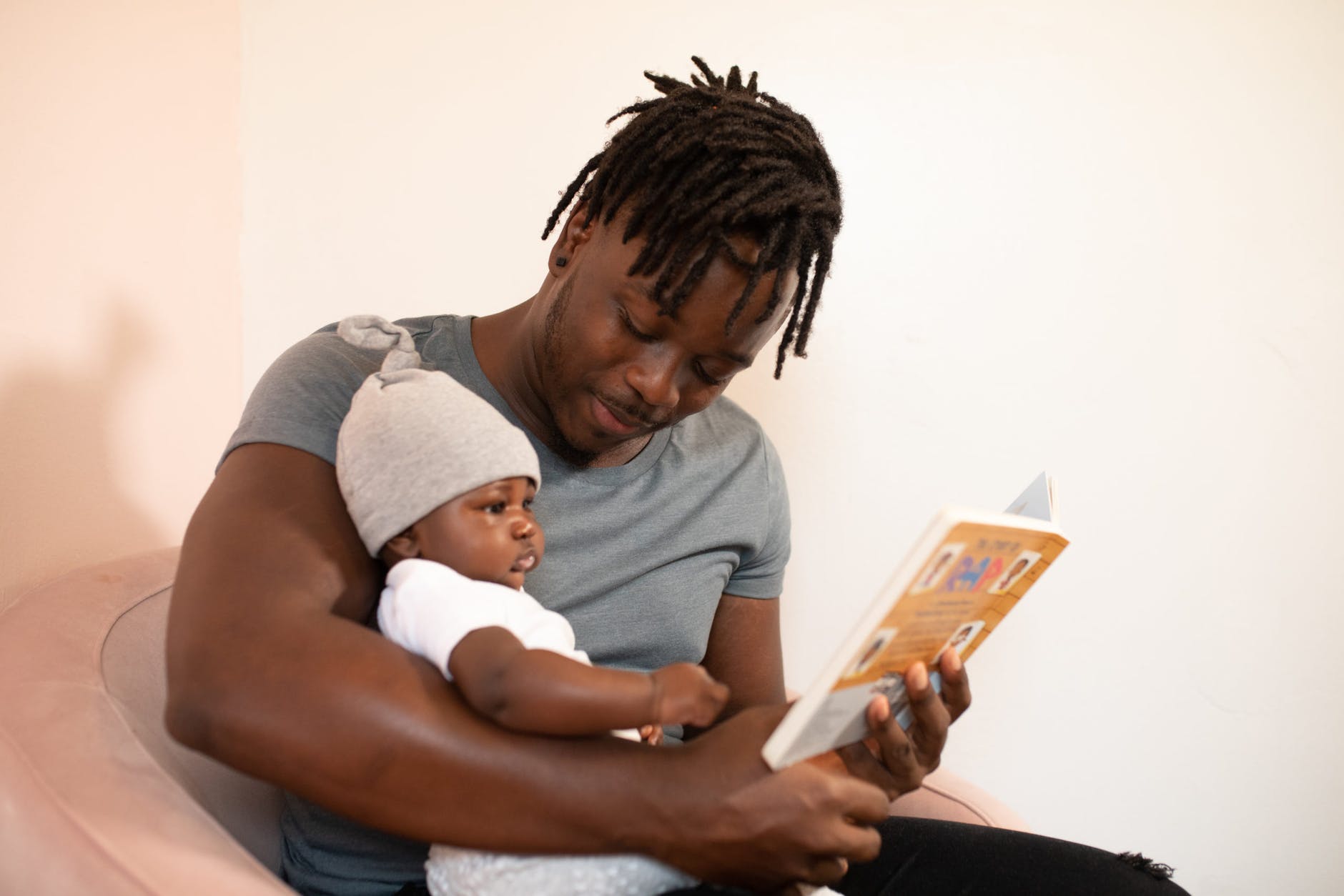
man in gray shirt holding baby in white onesie
Photo by nappy

If you haven’t already read What is ECD? it’s a great place to start as topics mentioned there will relate to what I’ll discuss here. As I mentioned in that article, the first 3 years of a child’s life is the most important. Relationships and experiences play a significant part in the earliest years as it is ultimately where it all begins. Experiences are created through relationships and it is how a young child learns. Nurturing and supportive experiences (through serve and return) repeated overtime with the caregivers in a child’s life eventually forms a healthy, secure attachment which is bounded by a feeling of trust and security. These repeated experiences and type of relationships all get build into the architecture of the developing brain (see: “More on Brain Development” below). A secure attachment is formed when a child has learned that they can trust that their needs will be consistently met, and they feel a sense of safety and protection with their caregivers. There are also 2 other types of attachment styles. The type of relationship a child has established from the beginning sets the template for how they will view future relationships. This template is known as their internal working model. When a child learns that both they and their needs are important and will be met, this contributes to the later development of many future competencies, including how they feel about themselves, their attitude towards learning and others, the types of relationships they will continue to form, and even how they understand and interpret their own emotions and that of others.

It’s important that future relationships, especially those that are formed outside the context of the family and home, are also sources of trust and safety; such as when a child enters school and is exposed to opportunities to develop relationships with their peers and teachers. Children learn best through relationships in all contexts. A child will continue to learn things such as people have needs, feelings and thoughts that are different than their own, such as in situations that may require them to share or wait their turn. In school, when a child has established a positive relationship with their teachers and peers, they are more likely to be eager to learn, attend, and be successful in school. The positive relationships and experiences early in their life lay the foundation for hopefully new positive relationships, experiences and learning to form. If a child is going to school not feeling happy and excited to learn, there is possibly a reason why and it’s important to pay attention to that.  

I understand that brain development in the early years is a very board topic which is why I’ve kept this article short. As I continue to publish more posts, you will learn from a range of topics that contribute to an understanding of how children grow and develop into adulthood. The two things I want you to take away from this article is the importance of early relationships and experiences. These both play a large part in present and future development but do not operate in isolation. It’s important to acknowledge that there are a range of other factors that contribute to development. These will also appear in future posts. So, stay tuned, as I hope to continue sharing with you.


More on Brain Development


The Brain Architects Podcast: Brain Architecture: Laying the Foundation


WEBSITE DISCLAIMER

This website is provided only for informational purposes and not intended to be used to replace professional advice, treatment or professional care. Always speak to your physician, healthcare provider or pediatrician if you have concerns about your own health or the health of a child.

What is ECD?

Early Childhood

Let’s raise children who won’t have to recover from their childhoods.” – Pamela Leo


photo of family sitting on floor while reading book

Early Childhood Development, (often referred to as ECD), is the development that occurs within a child’s life from 0-8 years of age. This is a time of rapid growth in the social, emotional, cognitive, linguistic, and physical development of a child. This all takes place in the context in which a child is developing such as the home, child care centre and/or community.

But what exactly is happening during ECD?

The most important and crucial time of a child’s development is essentially the first 3 years of their life. But why is this? Well, during this stage of development, there are 1 million new neural connections every second that are happening in the brain when a baby learns and makes sense of their environment and everything that is happening around them. The genetics that a baby is born with also play an important role as well. Genetics, early experiences, interactions and relationships with the people in their life, as well as the environment in which they live, all interact and influence the quality and architectural foundation of the developing brain. The development of a solid and sturdy foundation is optimal.

photo of man in raising baby under blue sky

So, how is a solid and sturdy foundation built?

A solid and sturdy foundation is built through serve and return interactions (see: “More on Serve & Return” below). This consists of the back-and-forth interactions between a young child and an adult. When a child uses facial expressions, babbling and gestures to interact, serve and return consists of the level of sensitivity in the actions, gestures, eye contact and words that an adult uses to appropriately respond to the child and their needs. During serve and return interactions, neural connections in a child’s brain are being made, strengthened and ultimately set the foundation for the development of future communication and social skills.

What happens when there is little to no serve and return interactions happening between a child and an adult?

When there is a lack of serve and return maintained by the adult or their responses are inconsistent and/or inappropriate, this contributes to creating a weak foundation, possibly an insecure attachment, resulting in the architecture of a child’s brain not developing as it should. Consequently, this impacts their learning, behaviour and development, and could lead to long-term health and developmental issues. At its earliest development, the human brain is “plastic”, meaning it’s malleable, flexible and easier to change. Over time, connections from experiences and interactions that are repeated and “hardwired” into the brain become harder to reverse. Long-term experiences and interactions that lack serve and return become harder to repair later.

How does a sturdy foundation impact future development?

Not only does serve and return build a sturdy foundation, it also fosters a baby’s social and emotional development. When a baby cries, she may be easily comforted by her caregiver’s touch. When a baby babbles, he learns new words from his caregiver’s gentle and calm responses. When these early experiences are happening, they positively influence the development of future, more complex, emerging and interrelated abilities that build on top such as cognition and language (see: The Science of Early Childhood). These are skills that become essential when a child enters school.

So, what does all this mean?

crop anonymous black mother holding hand of baby lying on bed

Early childhood is a time of rapid development, growth and potential. When a sturdy social and emotional foundation is not established, which includes the development of self-regulation (which an adult plays a crucial role in helping a child to develop), a child will have difficulty developing more complex skills. For example, a child who struggles with regulating their emotions because they did not have the experiences with an adult that would have helped to foster the development of this may have a challenging time remaining focused at more complex skills and tasks. The type of foundation that is set during this time is so important and fundamental to the successful future development of a child. When a sturdy foundation is established through the care, interaction and response of an adult, a child has the capacity to build upon the development of necessary future skills.

Let’s ensure that children’s early childhood is a time of great care, attention and understanding. Let’s get it right from the start. As Pamela Leo said, “Let’s raise children who won’t have to recover from their childhoods“.


See: Brain Development in the Early Years to continue reading.

Visit: Self-Regulation: A Parent’s Guide for more on self-regulation.


More on Serve & Return


Visit: 5 Steps for Brain-Building Serve & Return


The Brain Architects Podcast: Serve and Return: Supporting the Foundation


WEBSITE DISCLAIMER

This website is provided only for informational purposes and not intended to be used to replace professional advice, treatment or professional care. Always speak to your physician, healthcare provider or pediatrician if you have concerns about your own health or the health of a child.