Why Birthdays Matter Beyond the Day Itself

Early Childhood, Health & Lifestyle, Self-Regulation

I began drafting this post a few months ago while thinking about the birthday of a friend and the meaning that I feel birthdays hold beyond the day itself. Being my birthday month, I decided to finally share this post.

Birthdays can often spark mixed feelings. Some people love the spotlight, while others would rather skip the fuss altogether. I used to be someone who soaked up the celebration and attention, but as I’ve gotten older, I’ve found myself caring less about being the center of it all. What I’ve come to recognize, though, is that a birthday isn’t only about how we feel in that moment or about that day. It’s about giving the people in our lives a chance to pause, recognize us, and say, “I see you, I appreciate you, I’m glad you’re here.”

Photo by Natalie Bond

That recognition has roots in childhood. Think back to your earliest birthdays- maybe the thrill of balloons and cake, or the nervous feeling when everyone sang Happy Birthday. Maybe your birthday wasn’t marked at all, and it passed quietly like any other day. For many kids, whatever their experience, birthdays become early moments to practice self-regulation: managing excitement, soothing overwhelm, or simply getting through a day that feels ordinary. Those experiences don’t just stay in childhood. They echo into adulthood, shaping how we respond to attention, connection, and celebration, whether abundant or absent. I’m grateful for the way my birthdays were celebrated growing up, and for the parties my friends invited me to. Those experiences shaped the appreciation I have for being celebrated on and around my birthday, and for getting to celebrate others for theirs.

Even if we feel uncomfortable with the attention due to former experiences, allowing ourselves to be celebrated gives others the gift of expressing their love and appreciation for us. And when we receive that recognition, whether big or small, with openness, it nurtures calm within us. Reminding our nervous system that we are safe, valued, and part of something larger than our day-to-day routines.

It may be just one day on the calendar, but the impact ripples across the other 364. A kind word, a thoughtful message, or a small act of recognition, reinforces the invisible threads of connection that hold our relationships and even our well-being together.

So the next time your birthday rolls around, whether you’re excited or hesitant, or see it as just another day altogether, take a deep breath and remember this: it’s a chance to let the people in your life say, “You matter.” And when you carry that feeling forward, it becomes a quiet source of strength, grounding, and calm, all year long.


WEBSITE DISCLAIMER

This website is provided only for informational purposes and not intended to be used to replace professional advice, treatment or professional care. Always speak to your physician, healthcare provider or pediatrician if you have concerns about your own health or the health of a child.
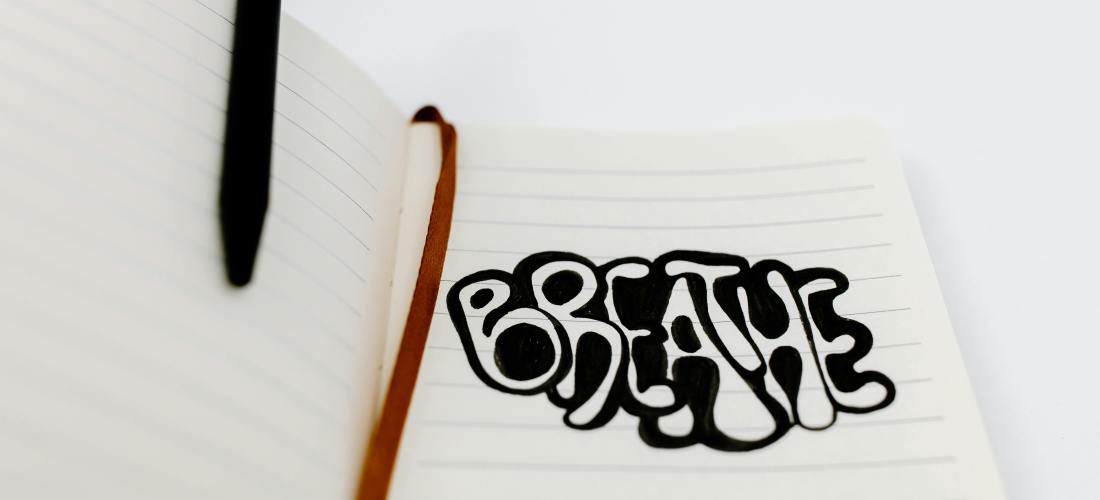

Easy Breathing Exercises to Boost Calm

Self-Regulation
Photo by PNW Production

Breathing- it’s something we do many times a day, often without even thinking about it. The oxygen we breathe in and out helps to nourish our brain and body. But when we’re under stress, our breathing can become shallow, short, and quick. This can prevent our body from functioning optimally and, over time, can contribute to burnout and fatigue.

A simple way to understand this is with a candle. If you light a candle and cover the flame with a jar, you’ll notice the flame begins to flicker and eventually dies out due to a lack of oxygen. The same thing happens in our bodies on a subtler level when we’re not breathing well.

The good news? Breathing is one of the few automatic processes in the body that we can consciously control. When we breathe out slowly and intentionally, we activate our parasympathetic nervous system- the part responsible for “rest and digest.” This helps to slow down the heart rate and breathing, calming the stress response and helping us feel more grounded.

Here are a 3 breathing exercises you can try to help restore calm, clarity, and presence:

1. Belly Breathing

Also known as diaphragmatic breathing, this technique encourages full oxygen exchange and helps relax the body.

How to do it:

  • Sit or lie down comfortably.
  • Place one hand on your tummy and the other on your chest.
  • Inhale deeply through your nose. Notice your belly rising like a balloon. Try to keep your chest relatively still.
  • Exhale slowly through your mouth, feeling your belly fall.
  • Keep your shoulders relaxed and steady as you continue.

Try this for 1–2 minutes to start and notice how you feel.


2. Rectangle Breathing

This visual technique helps regulate your breath while bringing your attention back to the present.

How to do it:

  • Look around the room and find a rectangle (like a book, window, or screen) or imagine one in your mind.
  • Use your eyes to slowly trace the sides of the rectangle as you breathe:
    • Inhale along the short side.
    • Hold your breath along the long side.
    • Exhale along the next short side.
    • Hold again along the next long side.
  • Repeat this pattern for a few rounds, allowing your breathing to slow and even out.

This is a great practice to do discreetly at your desk or during transitions in your day.


3. Flower & Candle Breathing

Perfect for kids and adults alike, this technique is playful, visual, and calming.

How to do it:

  • Find a relaxed seated position with your spine tall and shoulders soft.
  • Pretend as if you’re holding a flower in front of your nose.
  • Breathe in through your nose as if smelling the flower.
  • Pretend as if you’re holding a candle in front of your mouth.
  • Breathe out gently through your mouth as if blowing out the candle, making a soft, steady stream of air.
  • Continue for 3–5 breaths, alternating flower (inhale) and candle (exhale).

Your breath is always with you. It’s a built-in tool for regulating stress, connecting to the present moment, and restoring a sense of calm. Even just a few mindful breaths throughout your day can make a big difference.

So the next time you feel overwhelmed, anxious, or disconnected, just pause and breathe. Your body and mind will thank you.


Additional Resources

How to Breathe! To Activate the Calm Response in Your Body

10 Ways to De-Stress Your Life

The Vagus Nerve and 5 Ways to Tone It


If you found these breathing exercises helpful, share this post or try incorporating one into your daily routine!


WEBSITE DISCLAIMER

This website is provided only for informational purposes and not intended to be used to replace professional advice, treatment or professional care. Always speak to your physician, healthcare provider or pediatrician if you have concerns about your own health or the health of a child.

Why I Decided to Bring my Website Back

Early Childhood, Health & Lifestyle, Self-Regulation

With a renewed sense of purpose for my website, I decided to bring it back under a new name. What led me here isn’t just a shift in direction or something completely new, but a deep and growing concern. In the span of just a few months, multiple heartbreaking incidents involving young teens and fatal violence have made headlines.

Listening Closely & Responding with Purpose

Despite my best efforts to shield myself from these heartbreaking stories, they always seem to find their way to me, and they weigh heavily on my heart. As an educator working closely with young children, I’ve come to understand just how important it is that I pay attention to these issues. They’re a reminder of why the work I do, and the information I share on this website, matters. It’s about bringing light to the connection between emotional wellbeing, healthy development, and continuing to advocate for the support and understanding that all children deserve. Because unfortunately, not everyone understands how children’s early childhood development impacts them into adulthood. Through my website, I share information across three key areas.

Lately, I’ve found myself deeply affected by the tragic stories in the news of young teens caught up in crime, often acting out of pain, disconnection, or unmet needs. These headlines aren’t just stories; they’re a stark reminder of what happens when emotional regulation, nurturing, safety, connection, support, and so much more are missing during critical stages of early childhood development. 

Planting Seeds of Calm

In addition to the relaunch of my website, I’d like to share that I’m also pursuing a certification as a children’s yoga teacher. I believe yoga and mindfulness can offer young people tools to understand their emotions, manage stress, and reconnect with themselves before they reach a breaking point. I know this, because as an adult, these practices have supported me in many ways to find my own internal calm and balance. Through movement, breath, and stillness, I hope to help children build inner resources that not only support their learning but may one day shift the trajectory of their lives.

By sharing my website and the resources it has to offer, I appreciate your support of the work that I do.

With thanks,

Samantha (About Me) 💌

Subscribe for free to receive my latest articles straight to your inbox.