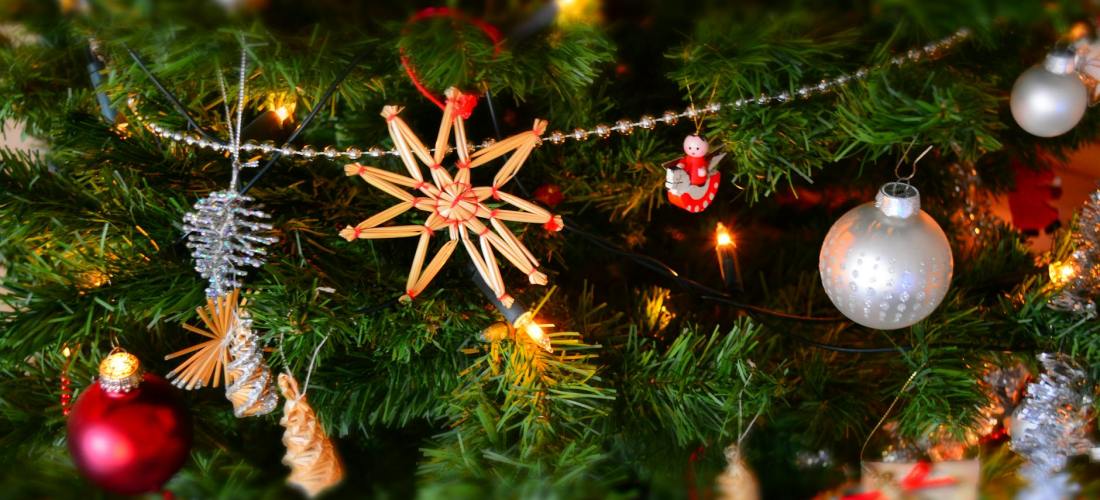
The Magic of Christmas: Teaching Kids Patience

Early Childhood

Christmas brings a special kind of magic for children. The arrival of Santa Claus, lights, presents under the tree, winter break, and the thrill of all the fun and wonderful things that the holiday season brings. What we often overlook is how meaningful this anticipation is. It naturally teaches kids self-regulation, delayed gratification, and emotional balance.

Growing up, I was allowed to open one gift the night of Christmas Eve and could open the rest after breakfast on Christmas Day. As a child, that wait felt endless, but it taught me to sit with excitement instead of acting on it right away. It contributed to shaping my ability to handle stress, cope with big emotions, and appreciate the moment.

Today, children are growing up in an overstimulated world. Instant entertainment, constant notifications, and fast-paced digital experiences leave little room for slowing down or practicing patience. This constant stream of stimulation hasn’t just changed how kids engage with the world, it’s altered their emotional pacing. For many children, slowing down feels harder, quiet feels uncomfortable, and waiting feels unfamiliar. As a result, the emotional skills that used to develop organically now need more intentional nurturing.

Wonder naturally emerges during the holiday season and it invites children (and even adults) to pause, breathe, and slow down.

When we choose to nurture these moments:

  • Reading holiday books together
  • Counting down on an advent calendar
  • Baking cookies and waiting for them to cool
  • Wrapping presents slowly and thoughtfully
  • Saving certain traditions for “the special day”

…we’re not just creating memories. We’re building emotional muscles.

These experiences help children:

  • manage excitement
  • cope with big emotions
  • tolerate waiting
  • navigate the highs and lows of anticipation
  • build resilience for everyday stress

These are the skills that help kids weather frustration, disappointment, and overwhelm. Skills they will use far beyond childhood. Although childhood is always changing, the magic of waiting is one of the most powerful gifts we can give children.


WEBSITE DISCLAIMER

This website is provided only for informational purposes and not intended to be used to replace professional advice, treatment or professional care. Always speak to your physician, healthcare provider or pediatrician if you have concerns about your own health or the health of a child.

Why Birthdays Matter Beyond the Day Itself

Early Childhood, Health & Lifestyle, Self-Regulation

I began drafting this post a few months ago while thinking about the birthday of a friend and the meaning that I feel birthdays hold beyond the day itself. Being my birthday month, I decided to finally share this post.

Birthdays can often spark mixed feelings. Some people love the spotlight, while others would rather skip the fuss altogether. I used to be someone who soaked up the celebration and attention, but as I’ve gotten older, I’ve found myself caring less about being the center of it all. What I’ve come to recognize, though, is that a birthday isn’t only about how we feel in that moment or about that day. It’s about giving the people in our lives a chance to pause, recognize us, and say, “I see you, I appreciate you, I’m glad you’re here.”

Photo by Natalie Bond

That recognition has roots in childhood. Think back to your earliest birthdays- maybe the thrill of balloons and cake, or the nervous feeling when everyone sang Happy Birthday. Maybe your birthday wasn’t marked at all, and it passed quietly like any other day. For many kids, whatever their experience, birthdays become early moments to practice self-regulation: managing excitement, soothing overwhelm, or simply getting through a day that feels ordinary. Those experiences don’t just stay in childhood. They echo into adulthood, shaping how we respond to attention, connection, and celebration, whether abundant or absent. I’m grateful for the way my birthdays were celebrated growing up, and for the parties my friends invited me to. Those experiences shaped the appreciation I have for being celebrated on and around my birthday, and for getting to celebrate others for theirs.

Even if we feel uncomfortable with the attention due to former experiences, allowing ourselves to be celebrated gives others the gift of expressing their love and appreciation for us. And when we receive that recognition, whether big or small, with openness, it nurtures calm within us. Reminding our nervous system that we are safe, valued, and part of something larger than our day-to-day routines.

It may be just one day on the calendar, but the impact ripples across the other 364. A kind word, a thoughtful message, or a small act of recognition, reinforces the invisible threads of connection that hold our relationships and even our well-being together.

So the next time your birthday rolls around, whether you’re excited or hesitant, or see it as just another day altogether, take a deep breath and remember this: it’s a chance to let the people in your life say, “You matter.” And when you carry that feeling forward, it becomes a quiet source of strength, grounding, and calm, all year long.


WEBSITE DISCLAIMER

This website is provided only for informational purposes and not intended to be used to replace professional advice, treatment or professional care. Always speak to your physician, healthcare provider or pediatrician if you have concerns about your own health or the health of a child.