Tips for Teachers Going Back to Work

Early Childhood, Health & Lifestyle, Self-Regulation

See my latest post: 5 Tips for Teachers to Start the School Year Grounded


I still can’t believe I’ve been out of the classroom for half a year. I say half a year because it’s actually really been that long. Since going on March Break, I have not been back to my school building since. In the last 6 months, I navigated and transitioned to online learning with preschoolers and then went straight into summer break. This has been an interesting year to say the least and I’m surprised at how quickly it has flown by, despite everything that has happened. I can’t help but say that I’m excited, (but mostly nervous) to go back to work, considering it’s been such an uncertain and scary time. That being said, I decided to put together a few tips for teachers who, like myself, will be heading back to the classroom (or maybe teaching online), very soon. Writing this and sharing these resources has given me some confidence, optimism and peace of mind about however this 2020-21 school year is meant to unfold, and my hope is that after reading this you will feel the same too.

self care isn t selfish signage
Photo by Madison Inouye

Find Your Calm – Explore Self-Reg and you will come to learn about Lending Your Calm. (I’m in the process of taking a second course with them.) However, I believe that in order for teachers (or anyone) to be able to lend their calm to their students and parents during this time, they first need to be able to find it. Stop and think to yourself, what exactly does calm feel like for me? What are some things that help me to feel calm? For me, it’s doing yoga, listening to music, working out, reading a book, and other times it’s meditating or taking a few deep breaths. Through these practices and activities, I’ve learned what calm feels like. When I’m not feeling it, I know exactly what helps me to get to that state. These past few months have been stressful on us all. This is why it’s so important to practice self-care and find what brings you calm so that you can bring that with you (as best as you can!) each day to work. We’ll surely need it!

alphabet class conceptual cube
Photo by Pixabay

Lend Your Calm – Once you discover what brings you calm and what that feels like, create that in your classroom environment. Calm begets calm. Our body is an energy source, allowing us to feel the vibrations from others. This is also known as limbic resonance or emotional contagion. Children are also able to feel and feed off of the energy from the adults in their lives and from their peers. For example, have you ever noticed how sometimes it only takes one student to change the energy of the entire class? When you feel calm, you can create that same feeling in your students, simply by just feeling it yourself. The beginning of the school year is naturally always stressful for teachers, parents and students. Apart from being calm yourself, think about the many ways you can create a calm and inviting classroom, overall school environment, or virtual learning experience. Whether it’s having less things mounted on the walls, playing calming music, integrating mindfulness-based activities (by engaging your student’s senses), or simply asking your student’s how they’re doing and feeling; when kids are not stressed and feel a sense of safety and calm, they are ready and able to learn at their best. 

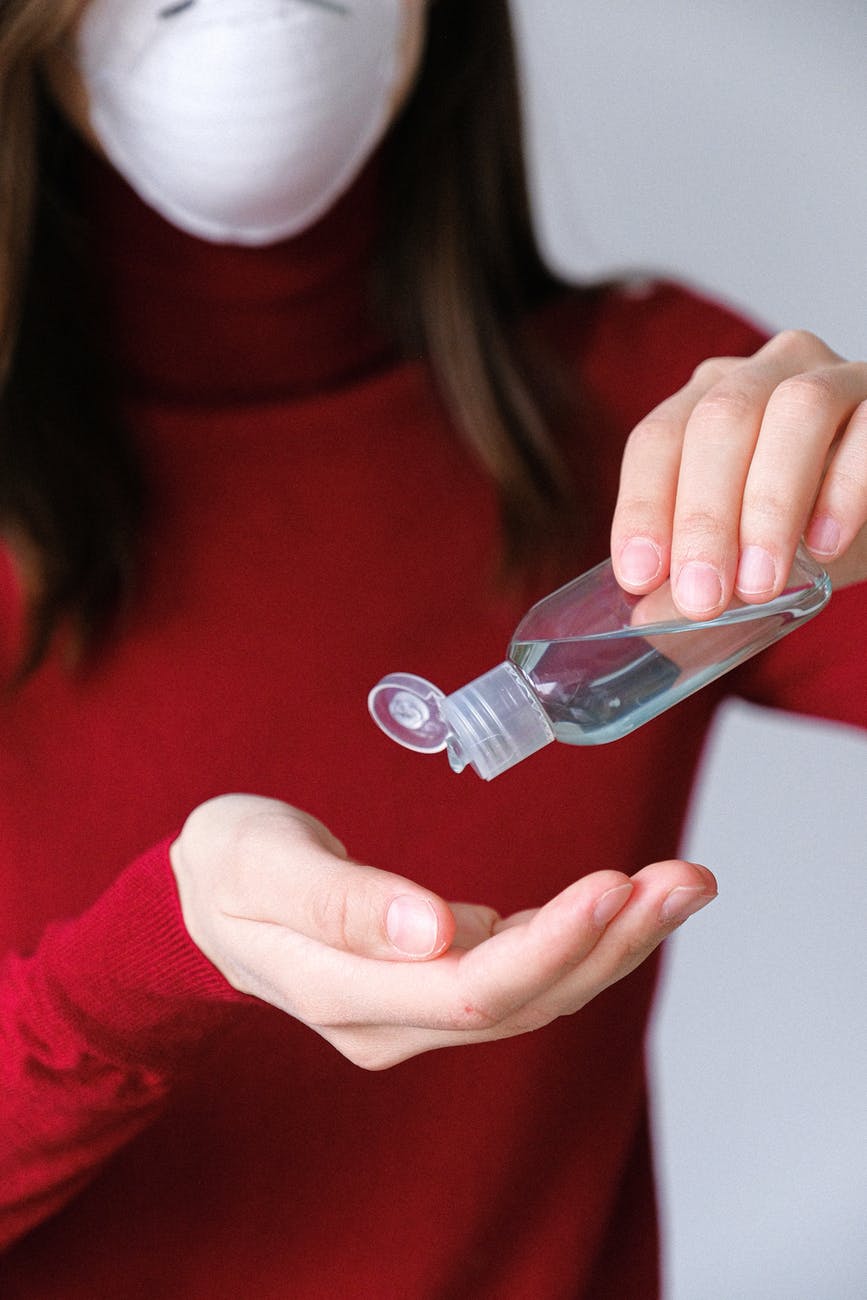
woman applying hand sanitizer
Photo by Anna Shvets

Practice Consistency – The beginning of this school year will certainly be like no other. With new policies, guidelines and routines put into place, I imagine it will feel very different and new for us. If you’re physically back at school, it may take time to remember all the new rules and best practices such as washing or sanitizing your hands before and after removing your mask, but with consistency, you will naturally build up the habit of doing so. I’ve already started doing this when I go out so that it won’t all feel entirely new when I go back to work. It’s also important to build these practices with your students. It’ll all be new for them too and it’s much easier to build a routine and habit at the very start of a school year rather than later or halfway through it. Keep in mind that these procedures are in place to ensure the health, safety and well-being of both the school and external community. If you’re unsure about something regarding any of the new changes, don’t hesitate to ask and find out the right answers.

woman in white long sleeve shirt holding white smartphone
Photo by cottonbro

Stay Connected – Whether it’s with your family, friends or colleagues, stay connected with the people in your life. Maybe it’s catching up with a friend over the phone or sending an email to a fellow colleague to see how they’re doing. At the end of the day, we are social beings with a desire to connect, and simply having a chat with someone important in your life may be all it takes to turn your own or someone else’s day around. Lean on your support system when needed and make opportunities for connection with others a part of your daily routine. You’ll truly notice the difference it makes in your attitude, the way you feel, the way you go about each day, and it’s also a great way to boost your immune system!

anonymous ethnic tutor helping little multiracial students with task in classroom
Photo by Katerina Holmes

Take It Slow – Regardless if you’ve been teaching for 20 years or are a new teacher starting your first year, this school year will be new for all of us. New students, families, routines, schedules, procedures, guidelines, expectations, and much more. If you’re finding that you’re already beginning to feel overwhelmed, go back to Finding Your Calm. Notice what you’re feeling and find what feels good and what brings you a sense of calm. One thing I always practice is mindfulness and living in the present moment. I can’t worry and be anxious about the first day of school because I don’t know what to expect. I’m only in control of the here and now so that’s what I choose to focus on. As each day comes and goes, take it slow, ask the questions you need answers to, build relationships and connections, and most importantly, be kind and do your best. And remember, you are the expert in pedagogy and curriculum. Be confident in your abilities, strengths and everything you already know. We got this!

Got more tips for teachers going back to school? Share them in the comments below!


WEBSITE DISCLAIMER

This website is provided only for informational purposes and not intended to be used to replace professional advice, treatment or professional care. Always speak to your physician, healthcare provider or pediatrician if you have concerns about your own health or the health of a child.

Stress & Stressors

Self-Regulation

Learning how to cope with stress is an important part of development.” – Center on the Developing Child


How much do you already know about stress?

Did you know that there are three types of stress and different types of stressors?

Keep reading to learn more.

Stress & Self-Reg’s 5 Domains of Stressors

Now that we understand how our body responds to stress (see: What is Self-Regulation?), let’s look at what stress is and what stressors are, defined by Dr. Stuart Shanker, Founder and Visionary of The MEHRIT Centre:

Stress: anything that requires our internal system to burn energy in order to maintain some sort of internal balance.

Stressors: an event or experience that triggers stress.

Dr. Stuart Shanker identifies stressors across 5 domains:

While the examples of stressors provided from the links below have been tailored to children and their learning, many of them are stressors that adults can relate to having as well. (Visit: Stressors in the 5 Domains of Self-Reg for a list of more examples to the ones provided below)

The Biological Domain
  • Biological: Internal or external stressors that affect our physiological system
    • e.g., hunger, feeling sick, a loud noise, screen time
  • Emotion: Stressors related to strong emotions, both positive and negative
    • e.g., fears, change of routine, excitement, grief/loss
  • Cognitive: Stressors related to difficulty processing certain information
    • e.g., time pressure, learning something new, boredom, multi-tasking
  • Social: Social stressors, related to social cues and the behaviour of self and others
    • e.g., social media, peer pressure, confrontation, meeting someone new
  • Prosocial: Stressors related to difficulty coping with the stress of others
    • e.g., empathy/sympathy, a sad friend, watching the news, injustice

The 3 Types of Stress

  • Positive: A stressor that is moderate and short-lived, resulting in brief increases in heart rate and blood pressure. This kind of stress is normal, essential to healthy development and is buffered by protective factors such as a positive support system made up of family, friends and/or healthy lifestyle practices.
    • e.g., The first day on the job/of school, meeting new people, dealing with frustration, giving a presentation
  • Tolerable: A more sereve stressor that could have long-term consequences but is buffered by protective factors such as a positive support system and healthy lifestyle practices.
    • e.g., Dealing with the illness or loss of a loved one, recovering from an injury, adjusting to a global pandemic
  • Toxic: A threatening and adverse stressor that results in frequent and prolonged activation of the stress response system. These types of stressors lack the presence of protective factors such as a support system.
    • e.g., Experiencing abuse or exposure to violence, extreme poverty, turbulent living situations

These types of stress are especially important to be mindful of for young children and teens. This is because their brain’s are in the process of development and don’t fully develop until their mid-20s (particularly the prefrontal cortex – the thinking part of the brain), and because their health and well-being are dependant on protective factors such as the care and support of the adults in their lives. These adults are also the ones that help them to self-regulate and develop the healthy lifestyle practices that they will carry with them throughout adulthood.

Dealing with Stress

As with any type of stress (mainly positive and tolerable), having protective factors such as a buffer (caring and supporting people in your life to help you manage the stress and recover from it) is one of the greatest ways to deal with stress. When there is a lack of a buffer, defense mechanisms or poor and harmful coping strategies may ensue.

A young child with great stress and no buffer could experience impairments to brain development (detrimental at a time when their brain is developing; see: Brain Development in the Early Years). As a result, this child may have difficultly with:

  • Self-regulation: managing stress and different stressors
  • Engaging in social interactions
  • Forming relationships with others
  • Identifying, expressing and managing their emotions
    • They may be easily triggered and reactive or subdued and withdraw (fight, fight, freeze responses)
  • Developing healthy coping strategies; potentially resulting in maladaptive behaviours

Long-Term Effects of Stress on the Body

Since our nervous system plays a role in our stress response, too much stress over a long period of time is harmful to our brain and body. Prolonged activation of our body’s stress response system can:

How Stress Affects Your Body
  • Impact the cardiovascular system, especially if the body is constantly pumping oxygen to the heart and releasing adrenaline when under a lot of stress
  • Elevate blood pressure, which can impact the heart
  • Affect metabolism since glucose pumps into the bloodstream giving you a burst of energy, chronic activation can result in metabolic problems
  • Cause hormonal imbalances
  • Lead to gut and digestive challenges (see: Brain-Gut Connection)
  • Impact mental health
  • Increase vulnerability to cold and illnesses (since our immune system is vulnerable to stress)

While these are only some of the impacts of stress, my hope is that with this understanding you may be better able to recognize the different types of stress that you may be experiencing, identify the particular stressors that are impacting you the most, and be able to develop strategies and daily practices that work to help you manage them effectively.

Explore the Health & Lifestyle sections throughout this website for ways to take care of your overall health and well-being. Here are a few of the many topics available:

5 Ways to Boost Your Immune System

Self-Care is Not Selfish

Mindfulness & Meditation. What’s the Difference?

The Brain-Gut Connection

The stress that anyone experiences and how they manage it is different per person. Please practice care and compassion for yourself and those in need.

See More on Stress and Stressors (below) for additional resources.

This is solely provided for informational purposes. If you are concerned about your health, that of a child or someone you know, I encourage you to take care of yourself and seek professional support (if needed).


More on Stress and Stressors


Visit: Self-Reg: Stressors in the 5 Domains

Visit: Self-Reg: Recognize Stressors

Visit: Self-Reg in 60 Seconds with Dr. Stuart Shanker

Got questions? Contact Me


What is Stress?

The Brain Architects Podcast: Toxic Stress: Protecting the Foundation


WEBSITE DISCLAIMER

This website is provided only for informational purposes and not intended to be used to replace professional advice, treatment or professional care. Always speak to your physician, healthcare provider or pediatrician if you have concerns about your own health or the health of a child.