5 Tips for Teachers to Start the School Year Grounded

Early Childhood, Self-Regulation

With back-to-school around the corner or having already started (depending where you are in the world), it tends to often come with a mix of anticipation and anxiety; not only for teachers, but for students and parents as well. Whether you’re returning to the same classroom or stepping into a new role, this time of year can bring a rush of emotions and an ever-growing to-do list. As teachers, we prepare materials and plan lessons, but it’s just as important to prepare ourselves for the year ahead.

Here are five grounding tips to help teachers start the school year with clarity, confidence, and care for both themselves and their students.

1. Begin With Check-Ins – Before you start setting up your classroom or organizing your lesson plans, take time to check-in with yourself. What will allow you to feel grounded and present this year? Is it quiet mornings? A new boundary around after-hours work? A daily walk before school starts? Creating even a small check-in ritual can help you anchor into the moment before the full pace of school life kicks in.

Before the school year begins, I like to start getting myself into a routine. For me that means getting to sleep earlier, and waking up feeling well rested so that I can start my day with some gentle movement. That way when the first day of school arrives, I’m already feeling grounded and prepared for the exciting and busy day ahead.

What helps you come back to yourself when things feel chaotic? What helps your students?

alphabet class conceptual cube
Photo by RDNE Stock project

2. Set the Tone With Intention– It’s tempting to want everything to be “just right” on the first day, but what’s more important is your presence. Set your tone for the year by showing up as someone who is real, warm, and responsive, and not someone who’s holding it all together at the expense of their own well-being. Whether it’s your classroom environment or your teaching style, let your values guide the tone you set.

As each new school year arrived, I began to realize that the most important thing instead of wishing the day would go perfectly, was to just let it unfold as it would. Many of my preschool students would cry as they adjusted to their new school routine. What was important was that they felt safe and attended to. Not so much that they had participated in the first day of school activities.

How do you want your students to feel in your classroom and how can you model that for them?

Photo by cottonbro studio

3. Build Routines That Work for You – Structure matters for students and teachers. Think about your daily rhythms, not just your schedule. Do your current routines energize or exhaust you or your students? Are there small shifts you can make to create smoother transitions or calmer mornings? Consistency doesn’t mean rigidity. It means developing patterns that support both teaching and living well.

I always found that it took a few weeks of everyone settling, adjusting to a new school year, classroom and cohort, before a smooth flow was established. It took time to determine what was and wasn’t going to work with my classroom depending on the needs of my students. Some years required a bit more movement integrated into the day, while others a more slower pace and supportive transitions.

What routines help you and your students feel steady and supported throughout the day?

Photo by Yan Krukau

4. Nourish Connection First – Relationships are the heart of any classroom. Before diving into academics, invest time in establishing trust, safety, and joy. Whether you’re welcoming back returning students or meeting a new group, slowing down to build connections will make the learning stick later on.

Without making space and taking the time to get to know my students, build a relationship with them, and a level of safety and trust, there would be very little room for much learning to take place. Beginning of school year activities such as Star of the Week gave my students the opportunity to learn about one another.

How can you create more moments of genuine connection in your classroom each day?

5. Give Yourself Permission to Evolve – You’re not the same teacher you were last year and that’s a good thing! Maybe your priorities have shifted. Maybe you’ve learned what you don’t want to carry forward. Let yourself grow and try new approaches. You don’t need to recreate the past and you’re allowed to reimagine what works for you now.

With a little over ten years of experience working with children, I’ve been able to look back and see just how much I have grown. I’ve learned many lessons along the way and different ways of doing things. By no means do I consider myself an expert. When I open myself up to continuing to learn and evolve in my role, I can bring the best version of myself to my classroom in order to best support my students.

Think about what you have learned about yourself as an educator over the past year(s). What are you ready to leave behind and what are you ready to lean into?

The start of a new school year is an opportunity to not just teach, but to lead with presence, purpose, and care. Remember, the energy you bring into the room matters. By grounding yourself first, you make space for others to do the same. Here’s to a school year rooted in connection, calm, and conscious growth.

Additional Readings

Classroom Design Essentials for Educators

A Starter Pack of Resources for New Teachers

22 Fun Ways to Spark Classroom Connections

The Week Before School: Our Job As Co-Regulators

Got more tips for teachers going back to school? Share them in the comments below!


WEBSITE DISCLAIMER

This website is provided only for informational purposes and not intended to be used to replace professional advice, treatment or professional care. Always speak to your physician, healthcare provider or pediatrician if you have concerns about your own health or the health of a child.


Maximizing School Breaks: Tips for Parents to Help Kids Stay on Track

Early Childhood

Shared by Hazel Bridges

Ms. Bridges is the creator of Aging Wellness, a website that aims to provide health and wellness resources for aging seniors. She’s a breast cancer survivor. She challenges herself to live life to the fullest and inspires others to do so as well.


mother and son reading a book
Photo by Ivan Samkov

School breaks are essential for kids to recharge their batteries and relax. However, it is equally important to keep their minds active during this period. Parents can play a crucial role in supporting their child’s academic progress during school breaks. Here is a guide that will explore simple ways parents can help their kids with their studies during school breaks. 

Create a Multipurpose Room 

Creating a study space for your child is a great way to help them stay focused and organized. Consider adding a desk and chair, bookshelves, and a bulletin board to their room, to create a multipurpose room that will not only help your child’s focus but will also increase your house’s appraisal value. It is essential to ensure that lighting is adequate, and the room has minimum distractions. Having a designated study area can make studying more enjoyable, efficient, and effective. 

Encourage Journaling 

Journaling is a great way to practice writing skills and express thoughts and emotions. Encourage your child to keep a journal during school breaks. They can write about their experiences, goals, and aspirations, and reflect on what they’ve learned. You can provide them with prompts or ideas to get them started. This will help improve their writing skills and also encourage self-expression. 

Volunteer Together 

Volunteering is an excellent way to teach kids about empathy, compassion, and community involvement. Research together and find a volunteer opportunity that aligns with your family’s values. Volunteering at a local animal shelter, food bank, or nursing home can be a great way to give back to the community. This will teach your child the importance of social responsibility, empathy, and kindness. 

Practice Public Speaking 

Public speaking is a fundamental skill that can benefit kids throughout their lives. Practicing public speaking during school breaks can help build confidence and improve communication skills. Encourage your child to practice speeches, debates, or presentations on a topic they are passionate about. You can act as an audience and provide feedback to improve their delivery. 

Encourage Reading 

Reading is an essential skill that can improve vocabulary, comprehension, and critical thinking. Encourage your child to read during school breaks, and make it fun by choosing books that align with their interests. Allow them to choose the books they want to read, whether it’s a classic novel or a comic book. Reading together with your child can also be a great bonding experience. 

Organize Playdates with an Educational Twist 

Organizing playdates with other kids can be a fun way to learn and socialize. Consider organizing playdates with an educational twist, such as a science experiment or an art project. This can help kids learn new skills while having fun with their friends. It’s important to ensure that the activities are age-appropriate and safe. 

Practice Problem-Solving 

Problem-solving is a valuable skill that can help kids navigate challenges and make sound decisions. Encourage your child to practice problem-solving during school breaks. You can provide them with puzzles, brain teasers, or math problems to solve. This will help improve their critical thinking, analytical, and decision-making skills. 

Support Your Child’s Development 

Parents can play a vital role in supporting their child’s academic progress during school breaks. Creating a dedicated workspace, encouraging journaling, volunteering together, etc., are all great ways parents can help their kids with their studies during school breaks. These activities not only help kids stay mentally engaged but also teach them valuable life skills that will benefit them throughout their lives. 


What are some ways that you keep your child/ren busy and engaged over breaks? Share them in the comments below!


WEBSITE DISCLAIMER

This website is provided only for informational purposes and not intended to be used to replace professional advice, treatment or professional care. Always speak to your physician, healthcare provider or pediatrician if you have concerns about your own health or the health of a child.

10 Ways to De-Stress Your Life

Health & Lifestyle, Self-Regulation

Presented by Ella Woodward with Erin Zammett Ruddy (source)

  1. Don’t Put It Down, Put It Away
  • Saying you’re going to do something later is how clutter begins
  • Anything that can be done in 1 minute should be done right away
  • Tidy house, tidy mind
  • The more often you clean, the less you have to clean

2. Don’t Hit the Snooze Button

  • We should be going to bed and waking up around the same time
  • Get outside and into the sunlight ➜ tells your brain to wake up
  • Set yourself up for a great day ➜ how you wake up matters
  • Create a morning routine
brown couch beside clear glass panel door

3. Be Kinder to Yourself

  • Review and reflect at the end of each day
    • What went good? What went bad? What could have been better?
  • Do so from a place of gratitude
  • Everyday is a new day for new opportunities
  • We are all works in progress

4. Declutter Spaces

  • Focus on yourself, not the stuff
  • Think about the vision you have for your life and a space
    • E.g., a place of creativity
  • There are 2 types of clutter (Peter Walsh, author of Let It Go):
    • Memory: things we save because it reminds us of someone, an achievement or event
    • “I Might Need It One Day”: things saved for an imagined future
  • Re-name your “junk drawer” and organize it
    • 15-Minute Wins: 15 minutes is the time you should spend cleaning out this drawer
      • Dump, sort, divide, put back and away

5. Set Yourself Up For Success When Working from Home

  • Give yourself a specific area or corner to work from
  • Don’t start work the moment you wake up (have a morning routine)
  • Dress and feel like you’re working
    • If you’re out of your pajamas it signals to others you’re working
  • Don’t multi-task, set boundaries
    • Treat your workday like one and take real breaks
      • Give your brain a rest (e.g., go for a walk; don’t do a load of laundry)

6. Manage Your To-Do List

  • Don’t put things on a to-do list you know you won’t do
  • Transferring your list onto a calendar with a specific time frees it from your mind
  • “Eat a frog” (Mark Twain): it’s best to do big tasks first things in the morning when you’re more awake/alert
    • Wake up early, be productive, knock things off your list
brown framed eyeglasses on a calendar

7. Manage Your Inbox / Emails

  • Get new emails out of the way first
  • Focus on writing clear emails in the subject line (start with the conclusion in mind)
    • Use bullet points and white space (people are usually reading emails on their devices)
  • Reply All if you’re on a chain (so everyone knows they have your buy-in)
  • CC only the necessary people when sending emails
  • Give specific deadlines
    • Don’t use “by end of day” (everyone’s “end of day” is different)
    • Give a specific time (e.g., Friday at 3:15 pm)  
  • Write efficient emails
    • Bold certain things, get to the points
    • Write emails that are easy to respond to

8. Meditate

  • “If you want to make your body stronger, you have to move it. If you want to strengthen your brain, you have to keep it still.” – Suze Yalof Schwartz
  • Practice a 5-minute meditation in the morning (see: Meditation Tools & Tips)
    • Close your eyes, quiet your mind, focus on your breath (putting hand on chest helps)
    • Be in the present moment
    • Name it (thoughts, feelings) to tame it
serene plus size female meditating in lotus pose

9. Take Naps

  • Put yourself in a quiet room, remove devices
  • Keep room cool (a slight drop in body temperature signals sleep to your brain)
  • Set yourself up (e.g., sleep aids: sleep mask, white noise)
  • Have a piece of paper to write things down that may come to mind right before you go to take a nap
  • The best time to take a nap is when you feel you need it and are able to

10. Say No

  •  Ask yourself: “Would I be willing to do this tomorrow?”
  • Think about your future self
  • Remind yourself that your time is valuable
  • Being busy is different from being productive
    • Fill your calendar with things that are important to you and that you have to do
  • As soon as you know you’re going to say no, say no (Book suggestion: Set Boundaries, Find Peace)

Final Reminders

  • Be considerate of your future self (e.g., when waking up, spending money, with what you’re eating)
  • Focus on how you’re doing things
    • Be more mindful and conscious
    • Find joy in the tiny areas of life that are apart of life (e.g., washing dishes, making the bed, etc.)
  • Make small changes that have a big payoff on your well-being

Resources:

The Little Book of Life Skills by Erin Zammett Ruddy


WEBSITE DISCLAIMER

This website is provided only for informational purposes and not intended to be used to replace professional advice, treatment or professional care. Always speak to your physician, healthcare provider or pediatrician if you have concerns about your own health or the health of a child.

Meditation Tools & Tips

Health & Lifestyle

Presented by Lilly Balch (The Morning Ritual Podcast)

Meditation Practice Tools & Tips

1. Time & Place

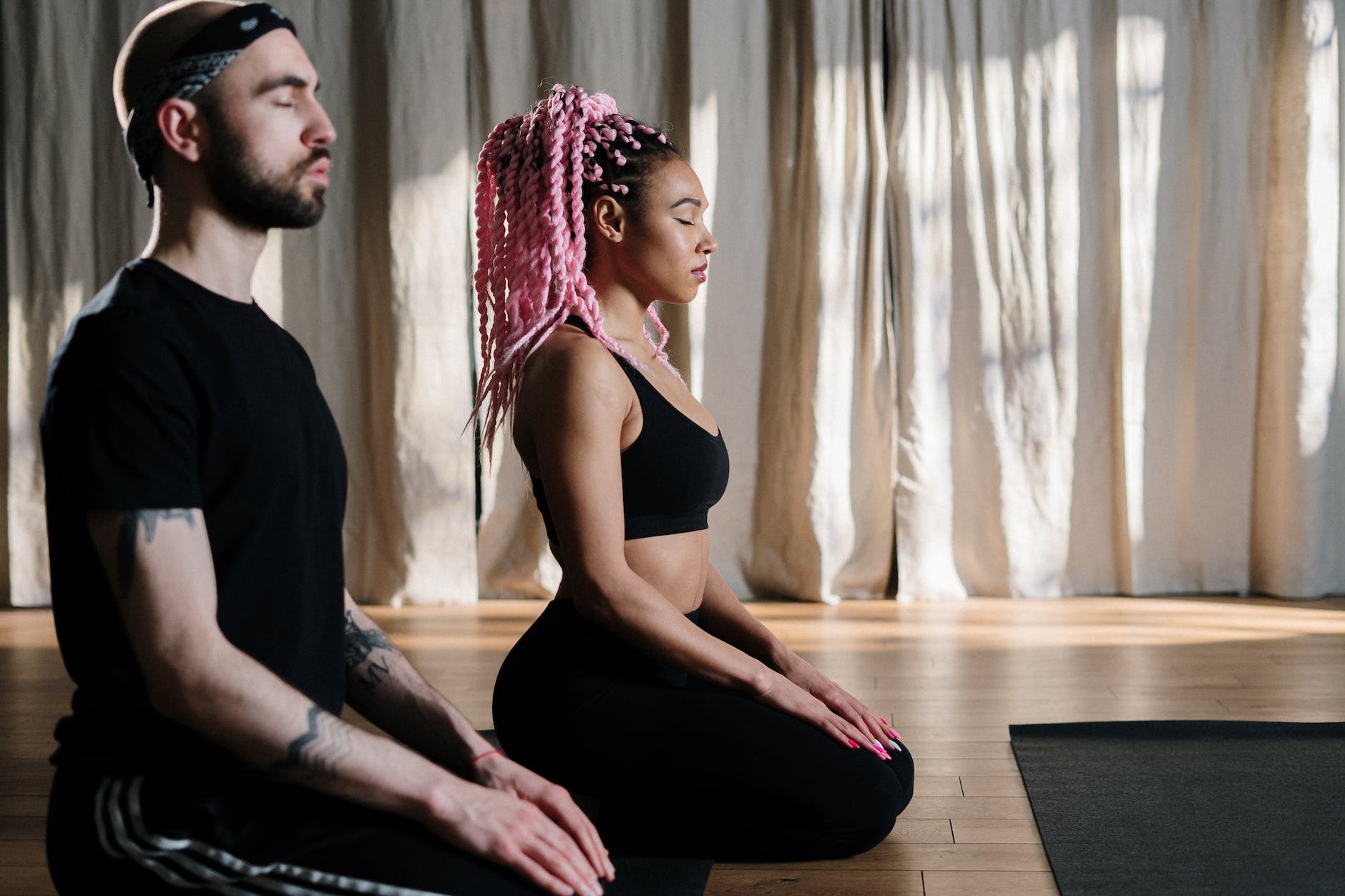
woman in black tank top sitting beside man in black shirt
Photo by cottonbro studio
  • Start first thing in the morning
  • Choose the same spot every day
  • Consistency is key
  • Do 2 minutes every morning vs 20 minutes once a week
  • Practice in a space free of clutter, distraction and noise
  • Show up!

2. Get Comfortable

  • Set yourself up for success
  • Feel physically supported

3. Don’t Worry If You’re Doing It Wrong, You’re Not!

  • There is no perfect way to meditate
  • Be at ease with the fact that you’ve showed up

4. It’s Not about Clearing the Mind

  • Thoughts are normal and can’t be shut off
  • Practicing is about focusing attention and strengthening mindfulness and awareness muscles

5. Approach Meditation with a Beginners Mind

  • Don’t compare to previous meditation practices
  • Hopes, fears, desires and expectations can interfere with meditation
  • Release the desire to control the outcome
  • Simply be!

More from Lily Balch

WEBSITE DISCLAIMER

This website is provided only for informational purposes and not intended to be used to replace professional advice, treatment or professional care. Always speak to your physician, healthcare provider or pediatrician if you have concerns about your own health or the health of a child.
Tips for Teachers Going Back to Work

Early Childhood, Health & Lifestyle, Self-Regulation

See my latest post: 5 Tips for Teachers to Start the School Year Grounded


I still can’t believe I’ve been out of the classroom for half a year. I say half a year because it’s actually really been that long. Since going on March Break, I have not been back to my school building since. In the last 6 months, I navigated and transitioned to online learning with preschoolers and then went straight into summer break. This has been an interesting year to say the least and I’m surprised at how quickly it has flown by, despite everything that has happened. I can’t help but say that I’m excited, (but mostly nervous) to go back to work, considering it’s been such an uncertain and scary time. That being said, I decided to put together a few tips for teachers who, like myself, will be heading back to the classroom (or maybe teaching online), very soon. Writing this and sharing these resources has given me some confidence, optimism and peace of mind about however this 2020-21 school year is meant to unfold, and my hope is that after reading this you will feel the same too.

self care isn t selfish signage
Photo by Madison Inouye

Find Your Calm – Explore Self-Reg and you will come to learn about Lending Your Calm. (I’m in the process of taking a second course with them.) However, I believe that in order for teachers (or anyone) to be able to lend their calm to their students and parents during this time, they first need to be able to find it. Stop and think to yourself, what exactly does calm feel like for me? What are some things that help me to feel calm? For me, it’s doing yoga, listening to music, working out, reading a book, and other times it’s meditating or taking a few deep breaths. Through these practices and activities, I’ve learned what calm feels like. When I’m not feeling it, I know exactly what helps me to get to that state. These past few months have been stressful on us all. This is why it’s so important to practice self-care and find what brings you calm so that you can bring that with you (as best as you can!) each day to work. We’ll surely need it!

alphabet class conceptual cube
Photo by Pixabay

Lend Your Calm – Once you discover what brings you calm and what that feels like, create that in your classroom environment. Calm begets calm. Our body is an energy source, allowing us to feel the vibrations from others. This is also known as limbic resonance or emotional contagion. Children are also able to feel and feed off of the energy from the adults in their lives and from their peers. For example, have you ever noticed how sometimes it only takes one student to change the energy of the entire class? When you feel calm, you can create that same feeling in your students, simply by just feeling it yourself. The beginning of the school year is naturally always stressful for teachers, parents and students. Apart from being calm yourself, think about the many ways you can create a calm and inviting classroom, overall school environment, or virtual learning experience. Whether it’s having less things mounted on the walls, playing calming music, integrating mindfulness-based activities (by engaging your student’s senses), or simply asking your student’s how they’re doing and feeling; when kids are not stressed and feel a sense of safety and calm, they are ready and able to learn at their best. 

woman applying hand sanitizer
Photo by Anna Shvets

Practice Consistency – The beginning of this school year will certainly be like no other. With new policies, guidelines and routines put into place, I imagine it will feel very different and new for us. If you’re physically back at school, it may take time to remember all the new rules and best practices such as washing or sanitizing your hands before and after removing your mask, but with consistency, you will naturally build up the habit of doing so. I’ve already started doing this when I go out so that it won’t all feel entirely new when I go back to work. It’s also important to build these practices with your students. It’ll all be new for them too and it’s much easier to build a routine and habit at the very start of a school year rather than later or halfway through it. Keep in mind that these procedures are in place to ensure the health, safety and well-being of both the school and external community. If you’re unsure about something regarding any of the new changes, don’t hesitate to ask and find out the right answers.

woman in white long sleeve shirt holding white smartphone
Photo by cottonbro

Stay Connected – Whether it’s with your family, friends or colleagues, stay connected with the people in your life. Maybe it’s catching up with a friend over the phone or sending an email to a fellow colleague to see how they’re doing. At the end of the day, we are social beings with a desire to connect, and simply having a chat with someone important in your life may be all it takes to turn your own or someone else’s day around. Lean on your support system when needed and make opportunities for connection with others a part of your daily routine. You’ll truly notice the difference it makes in your attitude, the way you feel, the way you go about each day, and it’s also a great way to boost your immune system!

anonymous ethnic tutor helping little multiracial students with task in classroom
Photo by Katerina Holmes

Take It Slow – Regardless if you’ve been teaching for 20 years or are a new teacher starting your first year, this school year will be new for all of us. New students, families, routines, schedules, procedures, guidelines, expectations, and much more. If you’re finding that you’re already beginning to feel overwhelmed, go back to Finding Your Calm. Notice what you’re feeling and find what feels good and what brings you a sense of calm. One thing I always practice is mindfulness and living in the present moment. I can’t worry and be anxious about the first day of school because I don’t know what to expect. I’m only in control of the here and now so that’s what I choose to focus on. As each day comes and goes, take it slow, ask the questions you need answers to, build relationships and connections, and most importantly, be kind and do your best. And remember, you are the expert in pedagogy and curriculum. Be confident in your abilities, strengths and everything you already know. We got this!

Got more tips for teachers going back to school? Share them in the comments below!


WEBSITE DISCLAIMER

This website is provided only for informational purposes and not intended to be used to replace professional advice, treatment or professional care. Always speak to your physician, healthcare provider or pediatrician if you have concerns about your own health or the health of a child.