With a renewed sense of purpose for my website, I decided to bring it back under a new name. What led me here isn’t just a shift in direction or something completely new, but a deep and growing concern. In the span of just a few months, multiple heartbreaking incidents involving young teens and fatal violence have made headlines.
Listening Closely & Responding with Purpose
Despite my best efforts to shield myself from these heartbreaking stories, they always seem to find their way to me, and they weigh heavily on my heart. As an educator working closely with young children, I’ve come to understand just how important it is that I pay attention to these issues. They’re a reminder of why the work I do, and the information I share on this website, matters. It’s about bringing light to the connection between emotional wellbeing, healthy development, and continuing to advocate for the support and understanding that all children deserve. Because unfortunately, not everyone understands how children’s early childhood development impacts them into adulthood. Through my website, I share information across three key areas.
Lately, I’ve found myself deeply affected by the tragic stories in the news of young teens caught up in crime, often acting out of pain, disconnection, or unmet needs. These headlines aren’t just stories; they’re a stark reminder of what happens when emotional regulation, nurturing, safety, connection, support, and so much more are missing during critical stages of early childhood development.
Planting Seeds of Calm
In addition to the relaunch of my website, I’d like to share that I’m also pursuing a certification as a children’s yoga teacher. I believe yoga and mindfulness can offer young people tools to understand their emotions, manage stress, and reconnect with themselves before they reach a breaking point. I know this, because as an adult, these practices have supported me in many ways to find my own internal calm and balance. Through movement, breath, and stillness, I hope to help children build inner resources that not only support their learning but may one day shift the trajectory of their lives.
By sharing my website and the resources it has to offer, I appreciate your support of the work that I do.
Ms. Bridges is the creator of Aging Wellness, a website that aims to provide health and wellness resources for aging seniors. She’s a breast cancer survivor. She challenges herself to live life to the fullest and inspire others to do so as well.
Improving your mental health can be challenging, especially when traditional methods such as therapy and medicine fall short. But there are also many unconventional mental health strategies that you may have overlooked! These outside-the-box approaches can be very effective at boosting mental well-being. Let’s explore 10 ideas and activities to give your mental health a boost!
Give Back to Your Community
Starting a local nonprofit is a great way to give back to your community and enrich your life with purpose and fulfillment. By registering as a nonprofit, you’ll be able to apply for grants and public funding. Be prepared to create bylaws that will govern how your nonprofit will operate. These bylaws will ensure your nonprofit remains effective at meeting your goals so you can feel good about the impact you’re making.
Plant a Garden
Gardening can be a therapeutic and meditative activity that promotes mindfulness and reduces stress. Growing your own fruits and vegetables can also provide a sense of accomplishment and contribute to a healthy diet! Before planting a garden, consult online resources such as Home Garden Hero for gardening advice from experts.
Photo by Karolina Grabowska
Practice Good Sleep Hygiene
Sleep is essential for good mental health, and practicing good sleep hygiene can improve the quality and quantity of your sleep. Good sleep hygiene includes activities like sticking to a regular sleep schedule, avoiding caffeine and alcohol before bed, and creating a relaxing bedroom environment.
Join a Laughter Yoga Class
Laughter yoga combines deep breathing, gentle yoga stretches, and laughter exercises to promote relaxation, reduce stress, and elicit feelings of happiness. According to Healthline, laughter yoga can also increase social connectedness and strengthen relationships! Joining a laughter yoga class is a fun and unique way to improve your mental health.
Photo by Monstera
Experiment with Sensory Therapy
Sensory therapy involves using different sensory stimuli to promote relaxation and reduce stress. These stimuli may include aromatherapy, sound therapy, or tactile stimulation. Experiment with different sensory therapy techniques at home to find what works best for you.
Do Some Coloring
Coloring has been shown to reduce stress and anxiety by promoting mindfulness and relaxation. Coloring is a great way to exercise focus, attention to detail, creativity, decision-making, and a range of other cognitive skills. You can find adult coloring books in a range of styles and themes to fit any artistic interest.
Photo by Jul Chi
Commit to a Digital Detox
According to Happify, taking regular breaks from technology can go a long way toward reducing stress and improving your ability to focus. Commit to a daily or weekly digital detox by setting aside time to unplug and engage in activities offline. For example, you might use this time to read, spend time with nature, or connect with friends.
Take a Guided Therapy Hike
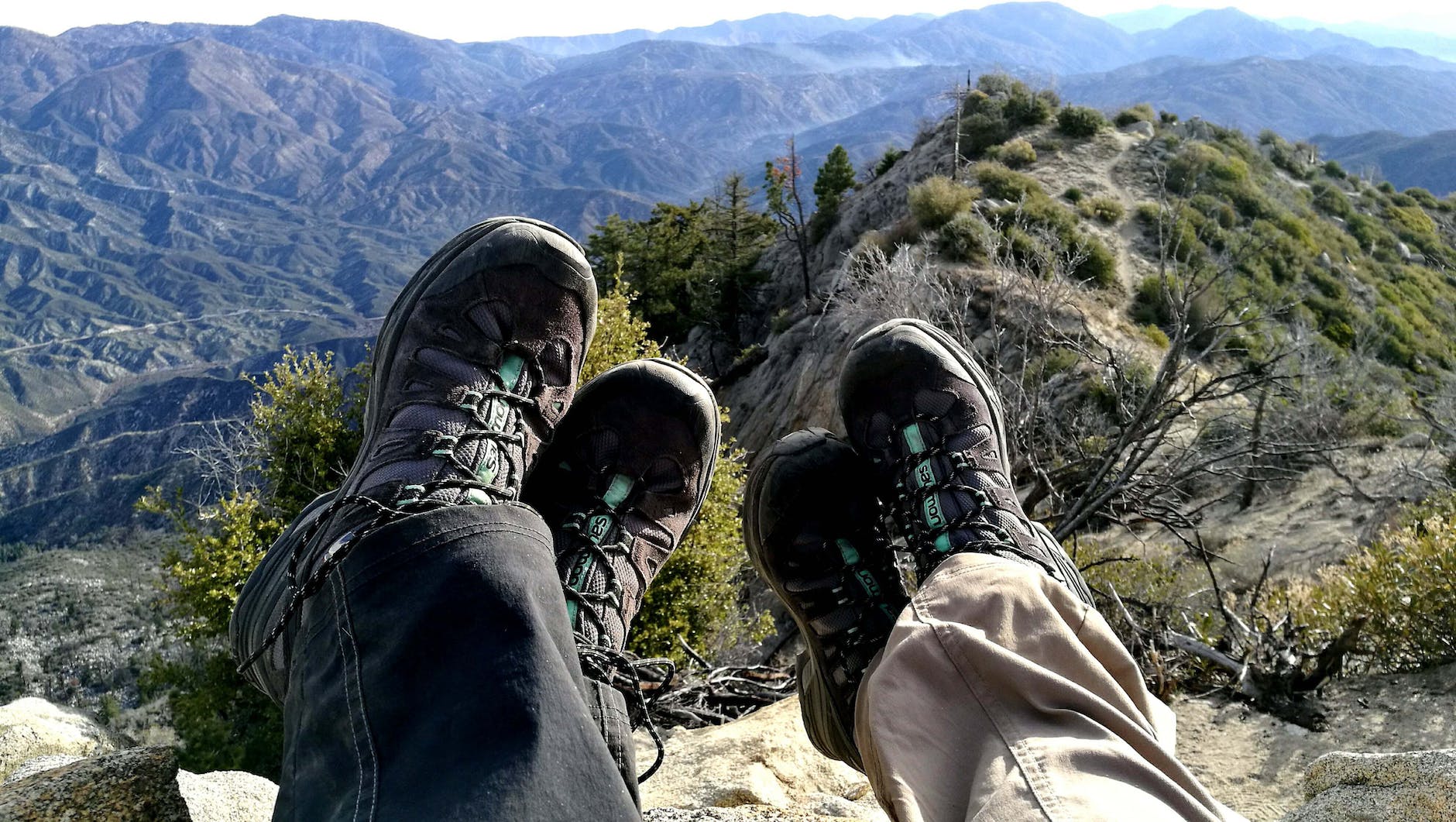
Combining therapy with hiking or walking in nature is a great way to enjoy the whole-body benefits of exercise while chatting with a therapist about your mental health concerns. Hiking therapy can help you work through issues in a supportive and natural setting and may help you feel more comfortable about opening up.
Photo by Noel Ross
Try a Sensory Deprivation Experience
Sensory deprivation involves removing external stimuli to promote relaxation and reduce stress. This can include floating in a sensory deprivation tank, which is an isolated, soundproof, dark tank filled with saltwater that suspends your body in a weightless environment. Many people find sensory deprivation experiences to promote relaxation and mindfulness.
Schedule Solitary Time
Alone time is essential for self-reflection and stress reduction. Try to schedule at least 30 minutes of alone time every day and use this time to recharge and do something you enjoy. Don’t feel like you have to be productive during your solitary time. Just relish the sweet silence for a while!
Photo by Thought Catalog
If you want to improve your mental health, look beyond traditional, well-known strategies. Try incorporating a few unique mental health activities into your routine, such as planting a garden or starting a local nonprofit company, to enjoy a more comprehensive approach to wellness.
What helps you to boost your mental health and well-being? Share them in the comments below!
WEBSITE DISCLAIMER
This website is provided only for informational purposes and not intended to be used to replace professional advice, treatment or professional care. Always speak to your physician, healthcare provider or pediatrician if you have concerns about your own health or the health of a child.
Splash Face: tones your vagus nerve in the morning and resets/wakes up your nervous system
e.g., Splash face and eyes in the morning with cool water 💦
Why Tone the Vagus Nerve?
Decreases stress and anxiety (activates rest & digest system)
Deepens breathing
Lowers heart rate and increases circulation in the body
Opens emotional capacity (feeling grounded and lighter)
Ready to get started?
Vagus Nerve: Breathing for Relaxation
Spotify – Summer Hits Playlist
Cat-Cow Yoga Pose – Yoga With Adriene
WEBSITE DISCLAIMER
This website is provided only for informational purposes and not intended to be used to replace professional advice, treatment or professional care. Always speak to your physician, healthcare provider or pediatrician if you have concerns about your own health or the health of a child.
Can increase the powerhouses of energy in the body
Want more energy? Build up the big muscles in your body
The coordination of eyes, mind, body, breath
Activates the brain
Attention turns inward
Awareness of what is happening inside the body
Can modulate and control the parasympathetic (rest & digest) nervous system
How to Tap – with Nick Ortner of The Tapping Solution
Emotional Freedom Technique (EFT)
Originated by Nicolas Ortner (CEO of The Tapping Solution)
Tapping on end points of meridian on the body to calm body and release stress and overwhelm
Meridians on the body:
Pathways in which qi (our energy) flows
When there’s pain there’s a blockage of qi
Meridians connect all of the organs and qi flow
Tapping on end points sends a calming signal to counteract fear responses (from the amygdala)
What are your stress healing solutions?
WEBSITE DISCLAIMER
This website is provided only for informational purposes and not intended to be used to replace professional advice, treatment or professional care. Always speak to your physician, healthcare provider or pediatrician if you have concerns about your own health or the health of a child.
Postures, stretches, exercises, movements, breathing and relaxation techniques
Affects our body’s overall functioning
Self-Regulation
Ability to control internal stress and emotional responses
Leads to resilience to stress, self-efficacy and equanimity in the face of emotions
Mind-Body Awareness
Feeling and experiencing what’s going on in the body and mind (being able to observe the flow of thought)
Leads to increased mindfulness that can change behaviours in a positive way
Experiencing Deeper States
Spiritual, transformative, leads to positive lifestyle and goals, improves and enhances life meaning and purpose
Photo by Ketut Subiyanto
Benefits of Yoga
Research has shown measures of reduction in:
Depression
Anxiety
Psychological distress
Frequency of negative experiences
Increase in resiliency and the frequency of positive experiences
Improvement in mental health
Creates much needed space in the body and mind
Establishes connections by moving energy through the body
Yoga stretches the body; meditation empties the mind
Enables management of the stress response system
Breathing
Breath is the most powerful tool that everyone has to bring their stress response under their control
It’s possible to reduce blood pressure by controlling breathing
Blood pressure is controlled by the sympathetic nervous system (the messenger of the stress response)
Postures in yoga creates challenge that our mind is constantly dealing with; this can be controlled through breathing
Breathing + effort of regulating thought enhance parasympathetic nervous signal and brings sympathetic nervous signal down
Breathing can be practiced within yoga and in daily life
Mind & Brain
Yoga strengthens the power of the mind and how we connect with the world
The mind controls our health and biology
1% of illness is related to genes; 90% of illness is related to stress
Yoga brings the mind into focus and can change brain activity and structure (such as plasticity, resulting in the brain becoming conducive to the benefits that come with yoga and meditation)
Can change and enhance gene activity that’s good for you (improved immune response); down-regulates negative gene activity when under chronic stress (inflammation)
Photo by Polina Tankilevitch
Barriers to Moving Yoga Forward
Perception and misconceptions about yoga, often created by the media:
Yoga viewed as complex exercise forms and postures; requires you to be flexible, thin, young to practice; is difficult, specific and not adaptable to individual circumstances
Yoga practices can be adapted to any population, and still train the same properties (mind-body coordination, mindfulness, awareness)
Chair yoga for elders
Can be done with young children
Global Benefits
Survival requires the foundation of human behaviours and the way we respond to life and to change
Using our individual power for harmony, connection, union
First done by the individual through healing themselves, taking back power over their behaviour, becoming in harmony and good health
Establishing awareness, self-regulation, immunity to stress, compassion, high-mindedness, clarity
Our collective nature as individuals becomes stronger and harmonious, leading to a greater influence on the planet
Engaging in yoga is a practice of evolution and transformation on society as a whole
This website is provided only for informational purposes and not intended to be used to replace professional advice, treatment or professional care. Always speak to your physician, healthcare provider or pediatrician if you have concerns about your own health or the health of a child.






 the calm educator