the calm educator

Sharing keys to a calm brain and body.

Menu

Skip to content
  • Home
  • About
    • Samantha
    • My Website
    • Yoga
      • From Classroom to Mat
  • Blog
    • Early Childhood
      • 5 Tips For Kick-Starting At-Home Learning
      • 7 Ways to Try and Get Kids to Eat their Veggies
      • Attachment Styles
      • Becoming an ECE
      • Flow is Happiness & Children’s Play
      • Just Playing
      • Kid-friendly Superfoods for Health and Immunity (SMOOV Superfood Blends)
      • Kid-friendly Superfoods for that Sweet Tooth (SMOOV Superfood Blends)
      • Simple Ways to Help Kids Cope with & Manage Stress
      • The Day I Met Dr. Bruce Perry
      • Tips for Teachers Going Back to Work
      • What is ECD?
    • Self-Regulation
      • What is Self-Regulation? >
        • Stress & Stressors
      • 5 Tips for Teachers to Start the School Year Grounded
      • Easy Breathing Exercises to Boost Calm
      • How I Got Through Some of My Lowest Days in Lockdown
      • How to Breathe! To Activate the Calm Response in Your Body
      • Noticing a Shift in My Energy and Tension
      • “There is only now.”
      • Understanding Envy: A Path to Self-Love
      • Why Birthdays Matter Beyond the Day Itself
    • Health & Lifestyle
      • 5 Lessons 2020 Has Taught Me
      • 5 Ways to Boost Your Immune System
      • 7 Ways to Practice Mindful Eating
      • 9 Different Kinds of Hunger
      • A Personal Experience with Body Healing Modalities
      • Brain-Gut Connection
      • Let’s Talk Adaptogens!
      • Mindful Communication
      • Mindfulness & Meditation. What’s the Difference?
      • My Wellness Kit
      • Self-Care Begins With You
      • Self-Care is Never Selfish
  • Notebook
    • Early Childhood
      • 3 Keys to Help Your Child Cope During the COVID-19 Pandemic
      • A Conversation on Trauma and its Impact on Brain Development
      • The Science of Early Childhood Development
    • Self-Regulation
      • Deborah Dana: Befriending Your Nervous System
      • Five Stress Healing Solutions
      • The Vagus Nerve and 5 Ways to Tone It
    • Health & Lifestyle
      • Organika Webinars >
        • Beyond Skin Deep: Holistic Health for Glowing Skin
        • Gut Health 101
        • Strengthening Your Immune System
        • Sleep & Stress Management
        • Your Mental Health Matters: Extra Brain-Love During Times of Stress
        • Your Hormones: Finding Balance for the Modern-Day Woman
      • Gut Health with Dr. Mary Pardeep >
        • Introduction to Gut Health
        • How Digestion Works
        • What Healthy Poop Looks & Smells Like
        • The Brain-Gut Connection
        • Mindful Eating (Where Digestion Begins)
      • Race & Social Justice >
        • Notice the Rage; Notice the Silence
        • Compassion in Action: Mindfulness for a Just Society
      • 10 Ways to De-Stress Your Life
      • A Gratitude Exercise
      • Eating Mindfully
      • Establishing a Daily Mindfulness Practice
      • How to Sleep for Peak Mental Performance
      • Let’s Talk About… Rejection
      • Meditation Tools & Tips
      • Some Things to Remember When a Friendship Ends
      • The Foundation of Mindfulness Practice
      • The Science of Yoga
  • Resources
    • Early Childhood
    • Self-Regulation
    • Health & Lifestyle
  • Contact

Your Mental Health Matters: Extra Brain-Love During Times of Stress

Photo by Polina Zimmerman

Presented by Rhiannon Lytle, RHN with Organika (source: Full Webinar)

Tags: brain, cortisol, mental health, stress

tired black woman touching head and looking down
Photo by Liza Summer

Mental Health Triggers

  • Lack of schedule (working from home) 
  • Feeling alone
  • Sleep disturbances
  • Stress
  • Hormonal disruptions (out of balance – shift in mood) 
  • Feeling hopeless/helpless
  • Frustration from external sources 

What is cortisol?

  • Known as the stress hormone
  • Created by your adrenal glands
  • Controls your sleep + wake cycle
  • Boosts energy (especially in fight-or-flight) 
  • Can be released more during high stress 
  • A master hormone that can take preference when creating other hormones (like progesterone in women) 
    • Cortisol takes away the production of hormones (e.g., leading to irregular cycles)
person holding a alarm clock
Photo by Ola Dapo

Your Hormones

  • Men and women differ in their hormonal makeup:
    • Men have a 24-hour hormone clock
    • Women have a 28-day hormone clock 
  • It is natural for us to have “low” moments: that’s OK!
  • When to seek help:
    • Noticeable changes in mood, sleep or eating behaviours
    • An inability to cope with daily issues
    • Feeling withdrawn or constantly fatigued 

Human Connection

  • According to CMHA, lack of human connection can be more harmful to your health than obesity, smoking and high blood pressure
  • We should look at “wellness” as “whole-ness”
    • Volunteering, donating 
  • Right now, during times of self-isolation, it is important to find ways to connect with others through:
    • Online games
    • Facetiming friends
    • Making an indoor date-night with your partner
    • Sending care packages to loved ones
    • Disconnecting from social media

Feelings You May Experience

  • Lack of motivation
  • Fatigue
  • Anxiety
  • Loneliness
  • Confusion
  • Physical fatigue 
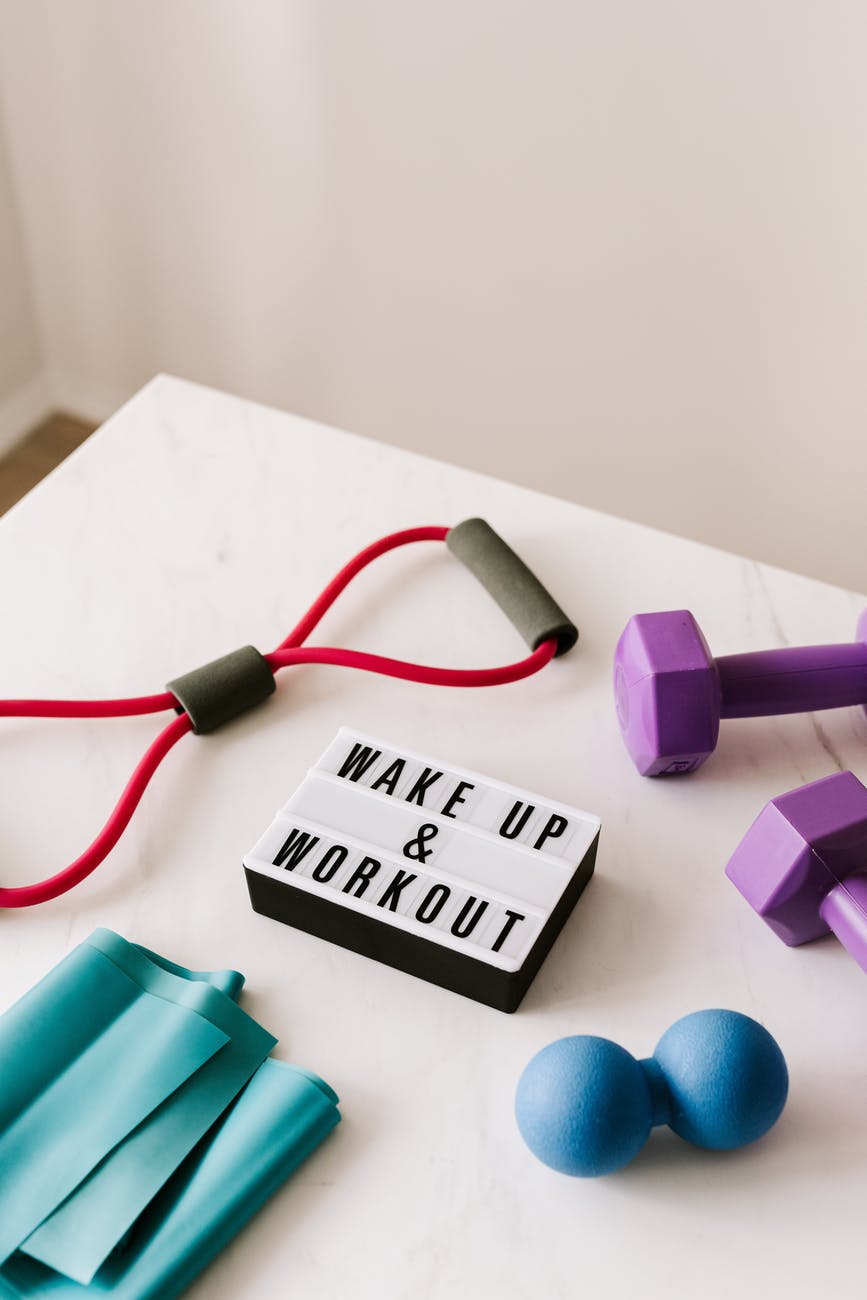
wake up and workout slogan on light box among sports equipment
Photo by Karolina Grabowska

Fitness

  • For those living with depression, some studies have shown that exercising can provide similar results as do antidepressants
  • The release of endorphins has als shown benefits for anxiety
  • Try going outdoors for a walk (Vitamin D + release of endorphins) 
  • Make sure you’re changing up workouts according to your energy levels 
  • Women can cycle sync workouts based on their cycle 

Foods to Consume 👍

  • Blood sugar balancing foods (important for energy and mental health):
    • Complex carbohydrates
    • Healthy fats
    • Quality protein
    • Fibre
  • Foods to reduce inflammation:
    • Wild-caught fatty fish (contains Omega-3 fatty acids)
    • Plants
  • Foods that increase serotonin:
    • Tryptophan-rich foods (along with a side of carbohydrates) like:
      • Turkey
      • Eggs
      • Spinach
      • Seeds 

Foods to Avoid 👎

  • Refined sugars
  • Alcohol
  • Dairy
  • Gluten 
  • Caffeine (spikes cortisol levels) 

Supplements

  • Butterfly Pea Flower: traditionally used to help reduce stress and anxiety
  • Probiotics: very strong gut-brain connection 
    • If gut is off, you’re not absorbing the nutrients need from your food
  • Inositol (Vitamin B8): supports production of serotonin 
  • Medium-Chain Triglycerides (MCTs): healthy fats
  • Lion’s Mane: an adaptogen used traditionally to support memory and cognitive 
  • Krill oil: an essential fatty acids (essential to brain health)

Recipes

  • Back-to-Balance Reishi Cacao Smoothie
  • Blue + Berry Chia Pudding
  • MCT Collagen Macaroons
  • Relaxing Superbrew
  • “Boost Your Memory” Cacao Bliss Balls

More from Organika
  • Link
  • Facebook
  • Instagram
  • YouTube
  • Spotify

WEBSITE DISCLAIMER

This website is provided only for informational purposes and not intended to be used to replace professional advice, treatment or professional care. Always speak to your physician, healthcare provider or pediatrician if you have concerns about your own health or the health of a child.

Share this:

  • Click to share on X (Opens in new window) X
  • Click to share on Facebook (Opens in new window) Facebook
  • Click to email a link to a friend (Opens in new window) Email
Like Loading...
Website Built by WordPress.com.
  • Subscribe Subscribed
    • the calm educator
    • Already have a WordPress.com account? Log in now.
    • the calm educator
    • Subscribe Subscribed
    • Sign up
    • Log in
    • Copy shortlink
    • Report this content
    • View post in Reader
    • Manage subscriptions
    • Collapse this bar
 

Loading Comments...
 

    %d