I began drafting this post a few months ago while thinking about the birthday of a friend and the meaning that I feel birthdays hold beyond the day itself. Being my birthday month, I decided to finally share this post.
Birthdays can often spark mixed feelings. Some people love the spotlight, while others would rather skip the fuss altogether. I used to be someone who soaked up the celebration and attention, but as I’ve gotten older, I’ve found myself caring less about being the center of it all. What I’ve come to recognize, though, is that a birthday isn’t only about how we feel in that moment or about that day. It’s about giving the people in our lives a chance to pause, recognize us, and say, “I see you, I appreciate you, I’m glad you’re here.”
Photo by Natalie Bond
That recognition has roots in childhood. Think back to your earliest birthdays- maybe the thrill of balloons and cake, or the nervous feeling when everyone sang Happy Birthday. Maybe your birthday wasn’t marked at all, and it passed quietly like any other day. For many kids, whatever their experience, birthdays become early moments to practice self-regulation: managing excitement, soothing overwhelm, or simply getting through a day that feels ordinary. Those experiences don’t just stay in childhood. They echo into adulthood, shaping how we respond to attention, connection, and celebration, whether abundant or absent. I’m grateful for the way my birthdays were celebrated growing up, and for the parties my friends invited me to. Those experiences shaped the appreciation I have for being celebrated on and around my birthday, and for getting to celebrate others for theirs.
Even if we feel uncomfortable with the attention due to former experiences, allowing ourselves to be celebrated gives others the gift of expressing their love and appreciation for us. And when we receive that recognition, whether big or small, with openness, it nurtures calm within us. Reminding our nervous system that we are safe, valued, and part of something larger than our day-to-day routines.
It may be just one day on the calendar, but the impact ripples across the other 364. A kind word, a thoughtful message, or a small act of recognition, reinforces the invisible threads of connection that hold our relationships and even our well-being together.
So the next time your birthday rolls around, whether you’re excited or hesitant, or see it as just another day altogether, take a deep breath and remember this: it’s a chance to let the people in your life say, “You matter.” And when you carry that feeling forward, it becomes a quiet source of strength, grounding, and calm, all year long.
What feelings come up for you when you think about your birthday or the birthday of others?
Would love to hear your thoughts in the comments.
WEBSITE DISCLAIMER
This website is provided only for informational purposes and not intended to be used to replace professional advice, treatment or professional care. Always speak to your physician, healthcare provider or pediatrician if you have concerns about your own health or the health of a child.
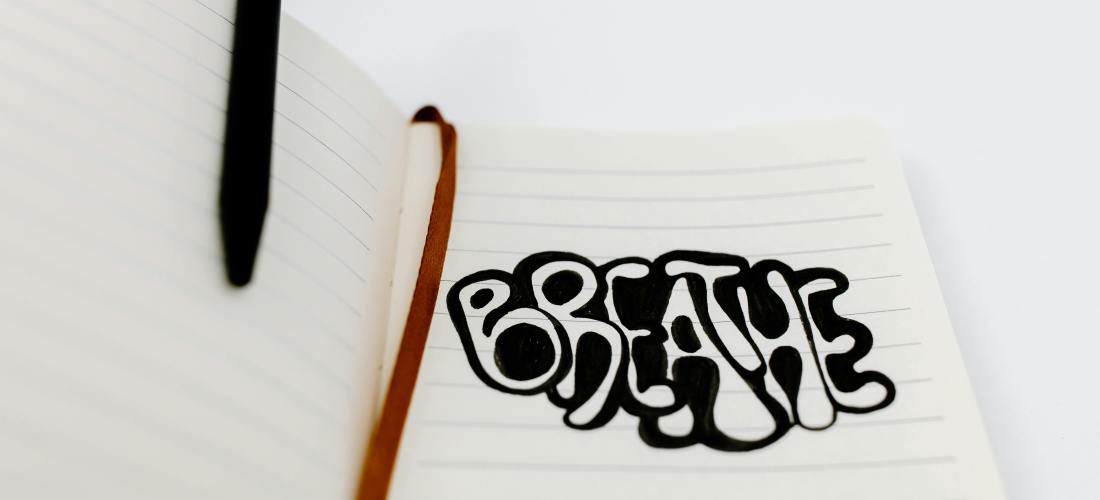
Breathing- it’s something we do many times a day, often without even thinking about it. The oxygen we breathe in and out helps to nourish our brain and body. But when we’re under stress, our breathing can become shallow, short, and quick. This can prevent our body from functioning optimally and, over time, can contribute to burnout and fatigue.
A simple way to understand this is with a candle. If you light a candle and cover the flame with a jar, you’ll notice the flame begins to flicker and eventually dies out due to a lack of oxygen. The same thing happens in our bodies on a subtler level when we’re not breathing well.
The good news? Breathing is one of the few automatic processes in the body that we can consciously control. When we breathe out slowly and intentionally, we activate our parasympathetic nervous system- the part responsible for “rest and digest.” This helps to slow down the heart rate and breathing, calming the stress response and helping us feel more grounded.
Here are a 3 breathing exercises you can try to help restore calm, clarity, and presence:
1. Belly Breathing
Also known as diaphragmatic breathing, this technique encourages full oxygen exchange and helps relax the body.
How to do it:
Sit or lie down comfortably.
Place one hand on your tummy and the other on your chest.
Inhale deeply through your nose. Notice your belly rising like a balloon. Try to keep your chest relatively still.
Exhale slowly through your mouth, feeling your belly fall.
Keep your shoulders relaxed and steady as you continue.
Try this for 1–2 minutes to start and notice how you feel.
2. Rectangle Breathing
This visual technique helps regulate your breath while bringing your attention back to the present.
How to do it:
Look around the room and find a rectangle (like a book, window, or screen) or imagine one in your mind.
Use your eyes to slowly trace the sides of the rectangle as you breathe:
Inhale along the short side.
Hold your breath along the long side.
Exhale along the next short side.
Hold again along the next long side.
Repeat this pattern for a few rounds, allowing your breathing to slow and even out.
This is a great practice to do discreetly at your desk or during transitions in your day.
3. Flower & Candle Breathing
Perfect for kids and adults alike, this technique is playful, visual, and calming.
How to do it:
Find a relaxed seated position with your spine tall and shoulders soft.
Pretend as if you’re holding a flower in front of your nose.
Breathe in through your nose as if smelling the flower.
Pretend as if you’re holding a candle in front of your mouth.
Breathe out gently through your mouth as if blowing out the candle, making a soft, steady stream of air.
Continue for 3–5 breaths, alternating flower (inhale) and candle (exhale).
Your breath is always with you. It’s a built-in tool for regulating stress, connecting to the present moment, and restoring a sense of calm. Even just a few mindful breaths throughout your day can make a big difference.
So the next time you feel overwhelmed, anxious, or disconnected, just pause and breathe. Your body and mind will thank you.
If you found these breathing exercises helpful, share this post or try incorporating one into your daily routine!
WEBSITE DISCLAIMER
This website is provided only for informational purposes and not intended to be used to replace professional advice, treatment or professional care. Always speak to your physician, healthcare provider or pediatrician if you have concerns about your own health or the health of a child.
“Whatever I am, that I want to understand.” – Krishnamurti
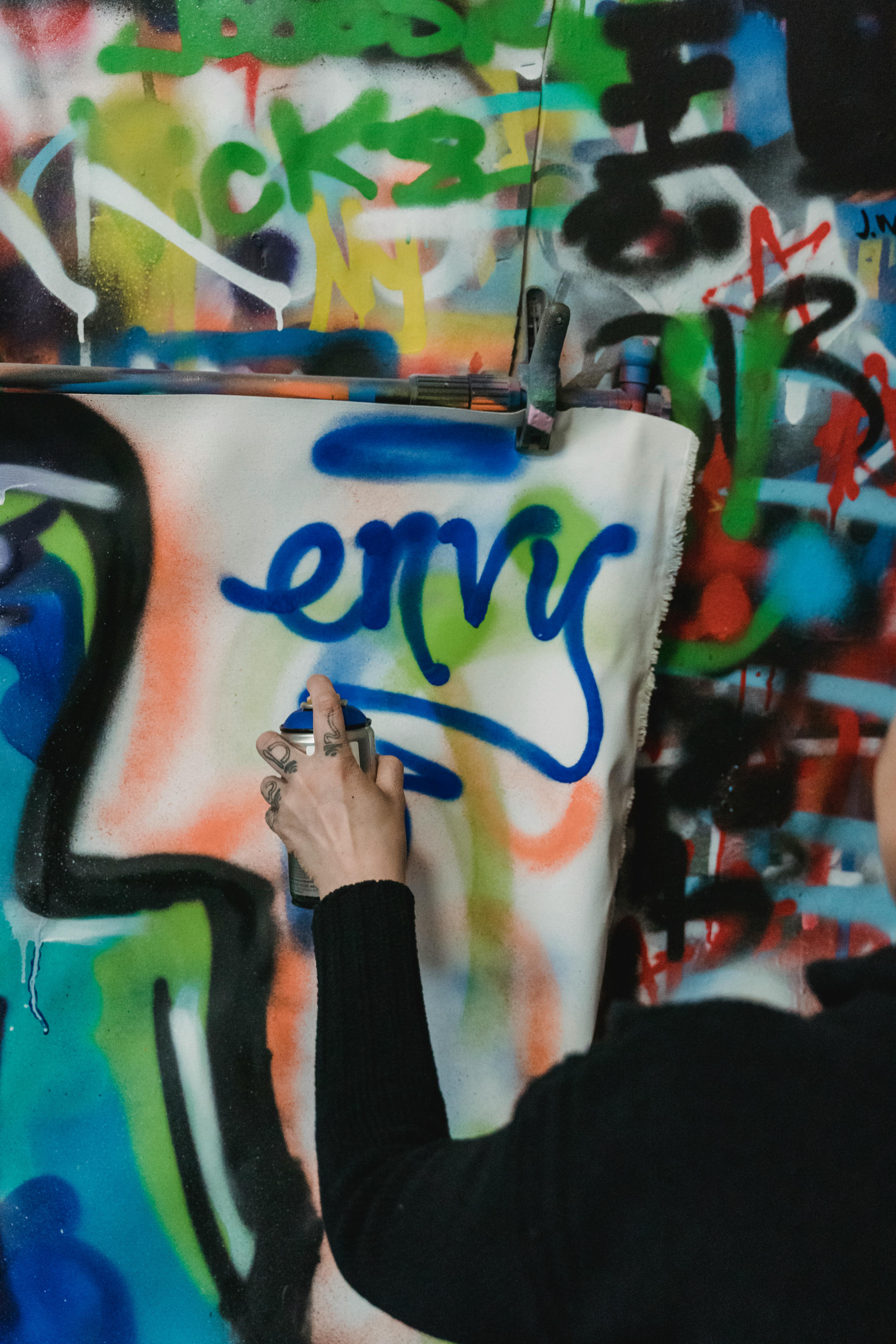
We live in a time where we are so bombarded with content that it’s overwhelming. It has become so easy to access the lives of others through posts and reels that it can lead to playing the comparison game- with celebrities, our friends and even people who we don’t even know. We might think to ourselves, “Why can’t I have what they have… look like that… be like that?,” and a feeling of envy might begin to set in.
I’ve been doing a lot of reading and listening lately and this topic presented itself to me in many different ways that I decided to write about it. Envy is a common human emotion; one that I admit I have felt at times.
Envy is one of those emotions that we often try to silence but it tends to creep up quietly. When it does, we may feel ashamed, small, or even a little unpleasant inside- especially when we are aware of it. But what if envy isn’t something to suppress or hide from, instead something to listen to? What if envy is a whisper from the parts of us still waiting to be seen, nurtured, and loved?
Photo by Felicity Tai
Envy as a Signal
Envy is often viewed as a bad emotion to experience. Something to push down, pray away, or deny altogether. But envy, like any emotion, has a message. It often arises not because we’re inherently bitter or ungrateful, but because there’s a longing in us that feels unmet.
Envy says: “I see something beautiful, and I wish I believed I could have it too.”
That wish might be about someone else’s confidence, relationships, body, creativity, or even their wealth. But underneath the longing is often a deeper ache and a feeling that we’re somehow not enough or can’t achieve what we desire.
The Psychology Behind Envy
Psychologically, envy stems from comparison. We measure ourselves against others and feel we come up short. When we see others achieving or embodying something we value, but don’t believe we can attain, we experience envy.
But this reaction is less about the other person and more about our inner landscape.
Envy doesn’t just say, “I want what they have.” It says, “I don’t believe I can have that.” Or worse, “I don’t believe I’m worthy of it.”
When We Don’t Love Ourselves
Here’s where the connection to self-love becomes clear. When we’re rooted in self-worth, another person’s shine doesn’t feel like a spotlight on our shortcomings. But when our self-love is fragile or conditional, someone else’s success can feel like evidence that we’re not doing enough, not being enough, or will never be enough.
When we don’t feel secure in who we are:
We interpret someone’s beauty as our own inadequacy
We see others’ joy and feel more alone
We hear someone praised and feel like we’ve fallen into the background
It’s not that we wish them harm. It’s that we secretly fear we’ve been left behind.
Transforming Envy Through Self-Love
The antidote to envy isn’t pretending it doesn’t exist. It’s compassion. Not just toward others, but toward ourselves. Self-love doesn’t make us immune to comparison, but it softens the sting. It allows us to admire someone without collapsing into self-doubt. It turns envy into insight.
“They can shine, and so can I.”
With self-love, we remember that someone else’s gifts don’t cancel out our own. There’s enough beauty, success, joy, and opportunity to go around. We don’t need to compete, we need to connect. When you feel envy, try congratulating the person you admire. Practicing celebration, even when it’s hard, rewires your inner story from scarcity to abundance.
From Comparison to Compassion
If envy shows up for you, as it does for all of us, try meeting it with curiosity instead of judgment.
Here are a few gentle practices that can help:
Ask what envy is trying to show you
What do I admire in this person?
What does this reveal about my own desires?
Reframe the comparison
What if this person is showing me what’s possible for me too?
Affirm your own worth Try repeating: “There is room for me. I am already enough. My path is unfolding in perfect timing.”
Reflect with honesty
Where am I not giving myself what I crave from others?
What’s one step I can take to support my own growth or healing?
Closing Thoughts: Envy as a Mirror
Photo by Nadine Wuchenauer
Envy doesn’t make you bad, it makes you human. But it also makes you aware and awareness is a gift. When we approach envy with softness instead of shame, it becomes a mirror showing us where we still long to be seen and valued. It points us toward the parts of ourselves that are still waiting for our own approval, our own tenderness, our own love.
So the next time envy visits, take a breath. Instead of pushing it away, listen to what it’s asking for. Beneath that discomfort might be the beginning of your healing.
“When you find yourself looking at those around you wondering, ‘Why can’t my life be like that?,’ or ‘Why can’t I have that?,’ remember you don’t need anyone’s that to be happy. You need you to be happy. Because that is within you. And if you can’t see you, you’ll never see that.”
This website is provided only for informational purposes and not intended to be used to replace professional advice, treatment or professional care. Always speak to your physician, healthcare provider or pediatrician if you have concerns about your own health or the health of a child.
With back-to-school around the corner or having already started (depending where you are in the world), it tends to often come with a mix of anticipation and anxiety; not only for teachers, but for students and parents as well. Whether you’re returning to the same classroom or stepping into a new role, this time of year can bring a rush of emotions and an ever-growing to-do list. As teachers, we prepare materials and plan lessons, but it’s just as important to prepare ourselves for the year ahead.
Here are five grounding tips to help teachers start the school year with clarity, confidence, and care for both themselves and their students.
1. Begin With Check-Ins – Before you start setting up your classroom or organizing your lesson plans, take time to check-in with yourself. What will allow you to feel grounded and present this year? Is it quiet mornings? A new boundary around after-hours work? A daily walk before school starts? Creating even a small check-in ritual can help you anchor into the moment before the full pace of school life kicks in.
Before the school year begins, I like to start getting myself into a routine. For me that means getting to sleep earlier, and waking up feeling well rested so that I can start my day with some gentle movement. That way when the first day of school arrives, I’m already feeling grounded and prepared for the exciting and busy day ahead.
What helps you come back to yourself when things feel chaotic? What helps your students?
Photo by RDNE Stock project
2. Set the Tone With Intention– It’s tempting to want everything to be “just right” on the first day, but what’s more important is your presence. Set your tone for the year by showing up as someone who is real, warm, and responsive, and not someone who’s holding it all together at the expense of their own well-being. Whether it’s your classroom environment or your teaching style, let your values guide the tone you set.
As each new school year arrived, I began to realize that the most important thing instead of wishing the day would go perfectly, was to just let it unfold as it would. Many of my preschool students would cry as they adjusted to their new school routine. What was important was that they felt safe and attended to. Not so much that they had participated in the first day of school activities.
How do you want your students to feel in your classroom and how can you model that for them?
Photo by cottonbro studio
3. Build Routines That Work for You– Structure matters for students and teachers. Think about your daily rhythms, not just your schedule. Do your current routines energize or exhaust you or your students? Are there small shifts you can make to create smoother transitions or calmer mornings? Consistency doesn’t mean rigidity. It means developing patterns that support both teaching and living well.
I always found that it took a few weeks of everyone settling, adjusting to a new school year, classroom and cohort, before a smooth flow was established. It took time to determine what was and wasn’t going to work with my classroom depending on the needs of my students. Some years required a bit more movement integrated into the day, while others a more slower pace and supportive transitions.
What routines help you and your students feel steady and supported throughout the day?
Photo by Yan Krukau
4. Nourish Connection First– Relationships are the heart of any classroom. Before diving into academics, invest time in establishing trust, safety, and joy. Whether you’re welcoming back returning students or meeting a new group, slowing down to build connections will make the learning stick later on.
Without making space and taking the time to get to know my students, build a relationship with them, and a level of safety and trust, there would be very little room for much learning to take place. Beginning of school year activities such as Star of the Week gave my students the opportunity to learn about one another.
How can you create more moments of genuine connection in your classroom each day?
5. Give Yourself Permission to Evolve – You’re not the same teacher you were last year and that’s a good thing! Maybe your priorities have shifted. Maybe you’ve learned what you don’t want to carry forward. Let yourself grow and try new approaches. You don’t need to recreate the past and you’re allowed to reimagine what works for you now.
With a little over ten years of experience working with children, I’ve been able to look back and see just how much I have grown. I’ve learned many lessons along the way and different ways of doing things. By no means do I consider myself an expert. When I open myself up to continuing to learn and evolve in my role, I can bring the best version of myself to my classroom in order to best support my students.
Think about what you have learned about yourself as an educator over the past year(s). What are you ready to leave behind and what are you ready to lean into?
The start of a new school year is an opportunity to not just teach, but to lead with presence, purpose, and care. Remember, the energy you bring into the room matters. By grounding yourself first, you make space for others to do the same. Here’s to a school year rooted in connection, calm, and conscious growth.
Got more tips for teachers going back to school? Share them in the comments below!
WEBSITE DISCLAIMER
This website is provided only for informational purposes and not intended to be used to replace professional advice, treatment or professional care. Always speak to your physician, healthcare provider or pediatrician if you have concerns about your own health or the health of a child.
With a renewed sense of purpose for my website, I decided to bring it back under a new name. What led me here isn’t just a shift in direction or something completely new, but a deep and growing concern. In the span of just a few months, multiple heartbreaking incidents involving young teens and fatal violence have made headlines.
Listening Closely & Responding with Purpose
Despite my best efforts to shield myself from these heartbreaking stories, they always seem to find their way to me, and they weigh heavily on my heart. As an educator working closely with young children, I’ve come to understand just how important it is that I pay attention to these issues. They’re a reminder of why the work I do, and the information I share on this website, matters. It’s about bringing light to the connection between emotional wellbeing, healthy development, and continuing to advocate for the support and understanding that all children deserve. Because unfortunately, not everyone understands how children’s early childhood development impacts them into adulthood. Through my website, I share information across three key areas.
Lately, I’ve found myself deeply affected by the tragic stories in the news of young teens caught up in crime, often acting out of pain, disconnection, or unmet needs. These headlines aren’t just stories; they’re a stark reminder of what happens when emotional regulation, nurturing, safety, connection, support, and so much more are missing during critical stages of early childhood development.
Planting Seeds of Calm
In addition to the relaunch of my website, I’d like to share that I’m also pursuing a certification as a children’s yoga teacher. I believe yoga and mindfulness can offer young people tools to understand their emotions, manage stress, and reconnect with themselves before they reach a breaking point. I know this, because as an adult, these practices have supported me in many ways to find my own internal calm and balance. Through movement, breath, and stillness, I hope to help children build inner resources that not only support their learning but may one day shift the trajectory of their lives.
By sharing my website and the resources it has to offer, I appreciate your support of the work that I do.
This website is provided only for informational purposes and not intended to be used to replace professional advice, treatment or professional care. Always speak to your physician, healthcare provider or pediatrician if you have concerns about your own health or the health of a child.
With the stress of the holiday season mostly behind us, I figured what better time than now to repost this article that I wrote during the height of the 2020 global pandemic, when the whole world was under a great deal of stress. With the new year approaching, my hope is that this article might be helpful to readers with understanding how to navigate through times of stress.
Originally published July 2020
I never for a second thought I’d be writing about the days I struggled through during lockdown, with all that I know about the human brain, body, its response to stress and stress management. But, here I am and here you are reading this.
A little over a year ago, I came across The MEHRIT Centre, an organization focused on grounding learning and living in self-regulation. I completed two courses with them and I share many of their resources throughout the self-regulation sections of this website. One of their many useful resources is the Thayer-Matrix. I discovered the Thayer-Matrix last year (2019), but it wasn’t until recently when I revisited its connection to motivation.
Being in Lockdown
Around mid-May 2020, as I was nearing the end of the school year, there were days when my motivation was so low that I found myself mentally checking out from online teaching. I had missed being in the classroom and with my students. Prior to school closures in March 2020, I was spending many hours at school each day, so working from home was quite the adjustment for me. As the school year progressed through online learning, I struggled with transitioning into a new routine and there were days when I didn’t even feel like getting out of bed.
Now let me explain what the Thayer-Matrix is.
The Thayer-Matrix
The Thayer-Matrix was created by Robert E. Thayer, an American psychologist known for his work on the connection between mood, energy, tension and stress which is reflected in his energy/tension (Thayer-Matrix) model (see image below).
(The information and examples provided below are entirely my interpretation of how I’ve applied this model to my own experience, what I’ve learned, and how I understand it.)
High-Energy/Low-Tension (HE/LT)
When our energy is high and tension (i.e., stress) is low, we are in a High-Energy/Low-Tension state. In this state we might tend to feel:
Well-rested and energized
Calm and relaxed
Ready to start the day ahead
An example of this state might be waking up on a day-off, or while on vacation, feeling well-rested (high-energy) and ready to ease into an open-ended kind of day (low-tension).
High-Energy/High-Tension (HE/HT)
When our energy and tension are both high, we are in a High-Energy/High-Tension state. In this state we might tend to feel:
Motivated with complete concentration and focus
Able to remain at a task for longer and with the most effort
Positive and productive
An example of this state might be waking up feeling well-rested (high-energy) and motivated to tackle a busy day ahead (high-tension).
Low-Energy/Low-Tension (LE/LT)
When our energy and tension are both low, we are in a Low-Energy/Low-Tension state. In this state we might tend to feel:
Tired, especially towards the end of a long and busy day
Ready to wind down and relax
Prepared to sleep and replenish our energy
An example of this state might be arriving home, tired from a busy and productive day (low-energy), and ready to ease into the night with a hot cup of tea (low-tension).
Low-Energy/High-Tension (LE/HT)
When our energy is low and tension is high, we are in a Low-Energy/High-Tension state. In this state we might tend to feel:
Drained and exhausted
The least motivated (i.e., listless)
Stressed, possibly with lots still to do or on your mind
This was how I was feeling on my lowest day. Super drained with little to no motivation (low-energy), but with a lot on my plate (high-tension). These were the days where I struggled with getting out of bed, starting my workday or working towards getting things done.
Moving Through the Thayer-Matrix
Naturally, we should be moving through each of these states and not get stuck in any one of them for long periods of time. If stuck in a HE/HT state, this is likely being sustained through stimulators such as caffeine or energy boosters, and the natural production of adrenaline that works to keep you at a high-energy state to deal with high-tension. However, high-tension naturally drains our energy reserves. When we aren’t restoring enough through natural and essential sources of energy, such as through a restful sleep, eating healthy foods, and engaging in sustainable routines and practices, we may tend to seek alternative (and often maladaptive) ways to do so, especially at times when we really need to, or simply to cope. From what I learned in my course, being chronically stuck in a LE/HT state can lead to mood disorders. Having a support system and stress awareness and management practices are essential. While staying in a HE/LT state might seem nice to some, that is just not how life flows. Stressors from all around and inside us is what keeps us going, and when effectively managed, thriving. Lastly, we also don’t want to get stuck in a LE/LT state, becoming passive and listless. Humans (as well as animals) have a seeking system that exists in the brain and drives us to meet a need, craving, goal, desire and ultimately, to survive1.
Now, here’s how I was able to get through some of my lowest days in lockdown.
Moving from a LE/HT to a HE/HT State
Leading an online learning session with my students
First to begin, I needed to be aware of when I was in a low-energy/high-tension (LE/HT) state and what that felt like for me. I knew I had low energy because I felt physically, emotionally and mentally drained, listless, and a lack of motivation or desire to do anything. At the beginning of lockdown, a telltale sign of this was when I started losing track of the days. I woke up one morning thinking it was Sunday, when in fact, it was Thursday. I eventually realized this was happening because I wasn’t getting outside and in the sun. The sun sends signals/cues to regulate our circadian rhythm which is our internal sleep-wake 24-hour body clock. It also gives us energy, makes us feel good, and increases serotonin, a neurotransmitter in our body that is responsible for mood, well-being and feelings of happiness. BINGO! So, I knew I needed to get outside more, or as much as I possibly could, considering the circumstances. In addition, the sun is our ultimate source of energy and if we could eat it, we probably would! Instead, we must settle for eating the foods that absorb the sun’s energy for us (to learn more, google: “high vibration foods”). As I think back to it now, that seemed so obvious, right? But at that point in time, it actually wasn’t as clear cut, and I guess that came with adjusting and transitioning to being at home, rather than at school, teaching and preoccupied for most of the day. While I was getting enough sleep, I wasn’t waking up feeling energized and refreshed. (I highly recommend this podcast episode: How to Sleep Well). Having been physically active my whole life, my body wasn’t used to not moving around as much. Because I wasn’t moving around as much as I had been (I was working with toddlers), I wasn’t exerting as much energy, nor was I able to reach a high-energy state. As a result, I knew I needed to resume more physical activity which had always been an energy booster for me. I recognized I was in a high-tension state because of the stressors that were affecting me. Not being able to leave the house as much, see my friends or go out. The list can go on. I was looking at a screen way more and for longer periods at a time for online learning, meetings, program planning, corresponding with colleagues, attending webinars, social media, etc. Because my eyes were feeling strained near the end of the day, I knew I needed to be as mindful as possible of my screen time. I couldn’t change the fact that I still needed to work, be online and in front of a screen, but what I could change was my energy state to match it. Therefore, once I started getting outside (while taking the necessary precautions), working out at home and managing my screen time better, I was able to move myself from a low-energy to a high-energy state in order to meet the demands of my high-tension work week.
Moving from a HE/HT to a LE/LT State
As soon as I was able to balance my energy and tension to a HE/HT state, I began feeling motivated, greater concentration, was able to remain working for longer and with more effort, and overall, I felt good, productive and accomplished. By the end of my workday, my meetings and online learning were done for the day. This is where I transitioned from the high-tension state I was in throughout the day into a low-tension state. By the end of a busy day, our body naturally transitions into a low-energy state, depending on the amount of energy that was exerted, and the tension experienced throughout the day. When the things that are a source of high-tension (i.e., stressors) in your life are recognized, managed and reduced, you can begin to move into a low-tension state. Although this may not always be the case, ideally, LE/LT is where you want to be at the end of the day and it’s all a matter of finding what works for you to maneuver your way in, out and through these states, while knowing your stress load capacity. Some people can cope with and under more stress than others. It’s important to note that children experience and transition through these states as well, but their capacity to deal with stress is much lower than adults. Therefore, supporting them with navigating through these states is very important.
Strategies for Moving through Energy & Tension States
Become aware of what your mind and body feel like in each state of energy and tension. For example:
High-Energy:
Energized (e.g., during or after a workout)
Feeling well-rested and healthy
Having positive feelings (e.g., when laughing or talking with others)
Feeling motivated
Having complete concentration and focus
High-Tension:
Having lots to do
A busy day ahead (e.g., a heavy workload, working on tasks)
Feeling stressed or overwhelmed (see: Stress & Stressors to identify the source of your tension)
Low-Energy:
Feeling tired and exhausted
Lack of motivation
Feeling sick (when we are sick, our body naturally produces chemicals that make us sleepy)
Drained from high-tension
Low-Tension:
Feeling calm, relaxed, at ease
Having stress management strategies in place (e.g., meditation, yoga, deep breathing, prayer, listening to music)
Relying on a positive support system, such as family, friends, community and/or professionals
Maintaining effective routines and practices
Know what personal strategies work to move you to the state you want or need to be in:
Getting into a High-Energy state:
Getting good sleep: amount, quality, timing, state of mind (these are mentioned in the podcast)
Eating healthy and nutritious (high vibration) foods and drinking lots of water
We usually don’t choose to enter this state. Our body naturally enters high-tension states because of the stressors that exist within (e.g., hunger) and around us (e.g., morning traffic). Stressors affect each of us differently, so it’s important to know which ones have the most impact on you. For example, feeling too hot, feeling sick, excessive screen time, watching the news, changes in routine (see: Stress & Stressors).
Entering a Low-Energy state:
Again, we don’t choose to enter this state. Our body naturally enters low-energy states as we exert energy and experience stress, which is what drains our energy reserve throughout our day. However, we can settle into this state at the end of a long day with an evening routine that might consist of low-tension practices such as reading a book, drinking a cup of tea, praying/spiritual practices, expressing gratitude in writing, meditating, taking a bath, or doing bedtime yoga.
Getting into a Low-Tension state:
This requires recognizing your stressors, reducing and/or managing them. Engaging in self-care and low-tension practices is also important here. This isn’t always easy, but with time and support, you can develop these practices and habits. For example, I know that too much time in front of a screen strains my eyes so I balance and manage my screen time by taking breaks from it, adjusting display settings, and shutting my devices down at the end of the day and long before bed.
Build and maintain a routine:
Humans like routine; however, the pandemic disrupted what our normal routines used to be. People lost jobs or had to shift to working from home. When our schedules are different than we are used to, we may be doing less (or more) than we had been before. Develop a morning and an evening routine to move yourself through the energy and tension states you want or need to be in to be productive, make the most, and meet the demands of your day.
Engage in movement and physical activity:
Our bodies are designed to recover from energy exertion through our parasympathetic system. When we don’t move, our body doesn’t know what to do with the extra energy and this can impact sleep. Go walking, running, bike riding, to the gym, do gardening, spend some time out in nature, sweat and burn energy whenever and however you can.
Don’t be so hard on yourself:
We are human and we do the best we can in each moment. Remember that the human body consists of a nervous system that responds to stress. What’s most important is understanding this and how to manage it. A great place to start is by learning about self-regulation (see: What is Self-Regulation?) and reframe your understanding about how your body naturally responds when under different types of stress. You can then start to identify what are sources of high-tension (stressors) for you and develop personal stress management strategies that help you navigate through energy and tension states. Realize when things are beyond your control and when needed, seek professional support and connect with people you can talk to and that you trust.
I hope that this article was helpful or useful to you in some way or another. Please feel free to share it with others. Wishing you the very best for 2023. 💞
Reference: 1Shanker, Stuart. Reframed: Self-Reg for a Just Society. University of Toronto Press, 2020.
If you enjoyed reading this article, subscribe for free to receive them straight to your inbox!
WEBSITE DISCLAIMER
This website is provided only for informational purposes and not intended to be used to replace professional advice, treatment or professional care. Always speak to your physician, healthcare provider or pediatrician if you have concerns about your own health or the health of a child.
Splash Face: tones your vagus nerve in the morning and resets/wakes up your nervous system
e.g., Splash face and eyes in the morning with cool water 💦
Why Tone the Vagus Nerve?
Decreases stress and anxiety (activates rest & digest system)
Deepens breathing
Lowers heart rate and increases circulation in the body
Opens emotional capacity (feeling grounded and lighter)
Ready to get started?
Vagus Nerve: Breathing for Relaxation
Spotify – Summer Hits Playlist
Cat-Cow Yoga Pose – Yoga With Adriene
WEBSITE DISCLAIMER
This website is provided only for informational purposes and not intended to be used to replace professional advice, treatment or professional care. Always speak to your physician, healthcare provider or pediatrician if you have concerns about your own health or the health of a child.
Can increase the powerhouses of energy in the body
Want more energy? Build up the big muscles in your body
The coordination of eyes, mind, body, breath
Activates the brain
Attention turns inward
Awareness of what is happening inside the body
Can modulate and control the parasympathetic (rest & digest) nervous system
How to Tap – with Nick Ortner of The Tapping Solution
Emotional Freedom Technique (EFT)
Originated by Nicolas Ortner (CEO of The Tapping Solution)
Tapping on end points of meridian on the body to calm body and release stress and overwhelm
Meridians on the body:
Pathways in which qi (our energy) flows
When there’s pain there’s a blockage of qi
Meridians connect all of the organs and qi flow
Tapping on end points sends a calming signal to counteract fear responses (from the amygdala)
What are your stress healing solutions?
WEBSITE DISCLAIMER
This website is provided only for informational purposes and not intended to be used to replace professional advice, treatment or professional care. Always speak to your physician, healthcare provider or pediatrician if you have concerns about your own health or the health of a child.
As this year comes to an end, I wanted to reflect on and share with you all that this year has taught me. We can all agree that 2020 has been a year like no other that we will look back on and surely not forget. But despite the obvious reasons why, this year, in particular, I have experienced, embraced and learned many things that I know will impact how I carry out the new year and each day and moment within it that is yet to come, and I’m sure you have too. Here are the 5 lessons that 2020 has taught me.
1. Don’t Hesitate.
Earlier this year, I came to learn of the passing of someone who was like a second mom to me. Although I didn’t get to see her in the months prior as I had wanted to, I knew that I already held so many great memories with her that I would never forget. What I learned from this and all throughout this year as it unfolded, was that we shouldn’t hesitate; to tell the people in our lives how much they mean to us, to make the time to connect with someone we care about, or even to do something we’ve always wanted to for ourselves. While this year has made it harder for us to see and connect with some of our loved ones and friends, in person, as much as we would like to or used to, there are still so many ways we can express our love and appreciation to someone in our life, or even to give to someone in need. Something I took up doing this year was mailing hand-written letters to friends to express my appreciation for them. Maybe you might consider donating towards an organization that is doing great work in the community or supporting a local business. Maybe you take the time to do something for yourself. Whatever it is, don’t hesitate to do it.
2. Embrace Opportunities.
“Change is necessary. It is important, and it is also what makes life exciting. When we embrace change, we open ourselves to the understanding that anything is possible. Life is not supposed to stay the same. We are not supposed to stay the same. Our life, our communities, our world, are always in bloom. When we understand this, we see that change is growth; and growth is essential for each of us to reach our individual and collective potential.”
– Cleo Wade
This school year, I have been working with senior kindergarten after some time working with preschool students. At the time, SK was an age group I had little experience working with. The only experience I had working with SK students was through volunteer work and a placement opportunity in JK/SK classrooms. Despite all of this, an opportunity for change and growth had been presented to me. Oftentimes, the fear of change can hold us back from embracing and accepting new opportunities and experiences. We may fear that we may not be good enough, capable, or are just used to and comfortable with staying within our comfort zone. However, this can limit us from growing in personal and/or professional roles, learning new things, developing greater skills and capacities or even meeting new people. While opportunities for growth in my professional role began prior to this year, I am truly grateful for all of them. They have given me the confidence to continue trying new things and remind me to embrace change and new opportunities. I have had great achievements as a result, and that is something I’ll always be proud of. What opportunities have you embraced this year or are ready to for the new year?
3. Be Vulnerable.
This year, one of the ways I have stepped outside of my comfort zone has been with creating and sharing the contents of this website. I realized that I could write as many great articles as I wanted to, but it wouldn’t matter if I wasn’t promoting and sharing them with others and writing content that would be meaningful and relatable. The most vulnerable article I wrote was one where I shared my experience being in lockdown. In deciding to write that article, I knew I wanted to do more than just share my experience. While it’s a longer read than most of the articles I have written, it was important for me to share the tools that enabled me to notice what I was going through, how I was able to overcome it, along with tips and strategies. It turned out to be one of my most viewed and favourite articles to write. If you haven’t already, check it out: How I Got Through Some of My Lowest Days in Lockdown.
4. Process Over Outcome.
Towards the end of last year, I was highly encouraged to apply to a master’s program. I still remember being told how it would open doors for me. I knew that it could, and the thought of that was always very appealing to me. Prior to that conversation, I knew that my passion for the field would be the reason why I’d go on to get a master’s degree. I had also been motivated to do so by other mentors along the way. It was something that was on my mind leading up to completing a bachelor’s degree in child development at the end of 2016. So, with that push of encouragement and support, I spent the first half of January getting my documents together and writing my letter of interest which was reviewed, edited countless times, and perfected. Whenever I read that letter, I am reminded that choosing not to immediately continue my studies after completing my degree left a lot of opportunity for me to grow personally and professionally. All of my experiences and growth in that 3-year timeframe (2017-2020) was the reason why I felt prepared for the program. In April, I was accepted to the Master of Arts in Early Childhood Studies program at Ryerson University. However, for various reasons, I decided to withdraw from the program days before even starting. It wasn’t an easy decision to make and I felt like I would be letting others down more than myself. I continue to wonder if my motivation to obtain a master’s was more about the outcome (the doors that would open for me and having the MA title), than the process (the experiences, learning, growth and character development I would have gained over the course of the program). Maybe now just wasn’t the right time, or there were other programs that I would have been more interested in pursuing and I had settled. Whatever the true reasons may be why I withdrew from the program, I’ve come to realize that for me, the process is more valuable than the final outcome, and I wanted to be sure that I could give my 100% towards it and embrace all of the opportunities that would have presented themselves along the way. But I didn’t feel I would have been able to. At least not now. Therefore, withdrawing from the program, I believe, was the better decision for me to have made, and I couldn’t have done it without my family, who continuously support me through all of the hard decisions I’ve had to make. I am endlessly grateful and blessed to have them. What hard decisions have you had to make this year?
5. Be Present.
“Being present is the only way to live a truly rich and full life.”
– Jay Shetty
I’m sure many could agree that this year has forced them to slow down, even if just for a little bit. While I don’t feel as though I needed to be forced to slow down in any way, I do feel that there was room for me to become more present to my day-to-day moments, experiences, and interactions with others. I got so used to the grind of waking up to be at work for 7:30 am and going about my usual day, up until lockdown in March when I had to work from home. The pace of my days naturally slowed down, and the extra time in the mornings and evenings which were consumed by commuting, I had for other things, such as reflection. This was when I began getting more seriously into yoga and meditation and understanding the science behind it. Turning inward and better understanding myself, allowed me to become more outwardly present to everything happening around me. This included being better at noticing anything in my external environment that may have been impacting me and what I could or needed to do to change it, as well as recognizing how I could be more present in each moment and to my relationships. Whether it’s washing the dishes, folding laundry, or talking with a friend, being present in these small moments has allowed me to have greater appreciation for the big ones. I get to wake up each morning feeling what I have found to be a rich and fulfilling life. Remember that each day is truly a blessing, so be present to every moment of it.
What lessons has 2020 taught you?
“If there’s anything 2020 has shown us, it’s that we desperately need more. More compassion. More peace. More love. More time. More togetherness.” – Ainsley Arment
🥂
Cheers to the new year and all that is to come for you in 2021!
WEBSITE DISCLAIMER
This website is provided only for informational purposes and not intended to be used to replace professional advice, treatment or professional care. Always speak to your physician, healthcare provider or pediatrician if you have concerns about your own health or the health of a child.












 the calm educator