Lately, I’ve noticed something showing up in my workdays: by mid-afternoon, even the smallest decisions start to feel overwhelming. What should I reply to this email? What task should I start next? What should I eat for lunch?
If you’ve ever felt mentally drained by everyday choices, you may have experienced decision fatigue.
What is Decision Fatigue?
Decision fatigue happens when the quality of our decisions declines after a long period of decision-making. Our brains have a limited amount of mental energy each day. The more choices we make, the harder it becomes to make thoughtful, intentional ones.
It doesn’t mean you’re unmotivated or disorganized, it means your brain is tired.
Key Aspects of Decision Fatigue
Signs/Symptoms
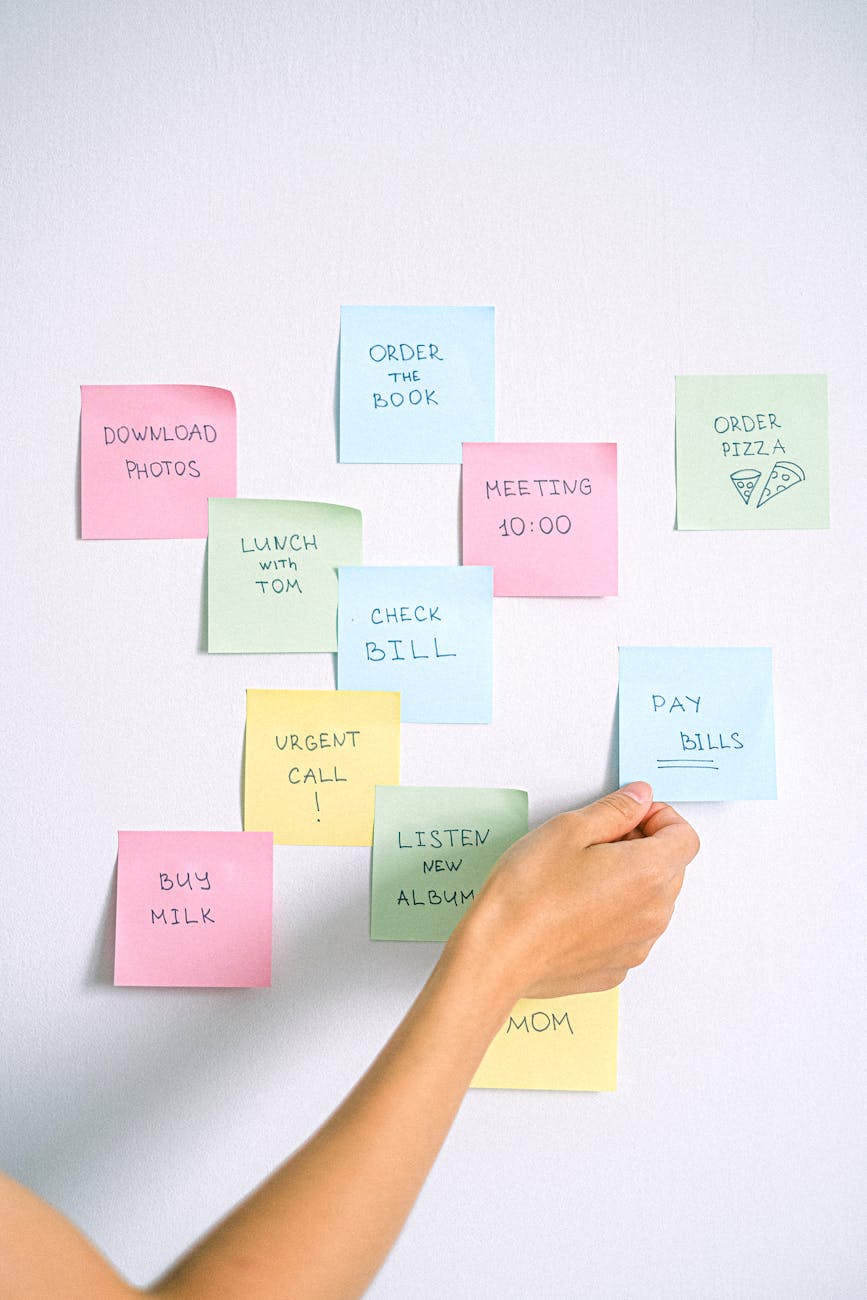
Photo by Anna Shvets
You might notice:
Procrastination or avoiding decisions altogether
Feeling overwhelmed by small choices
Impulsive decisions or “whatever is fine” choices
Mental exhaustion or irritability
Difficulty focusing or prioritizing
Causes
Decision fatigue often builds when we:
Make many decisions in a short time
Carry responsibility for others- work, family, clients
Experience stress or lack of rest
Constantly switch between tasks
Feel pressure to make the “perfect” choice
Modern life gives us endless options and our brains were never designed for this level of daily decision-making.
Impact
Over time, decision fatigue can affect:
Productivity and creativity
Confidence in your choices
Stress levels and burnout risk
Work performance and personal life balance
When your mental energy is depleted, even simple tasks can feel heavy.
Everyday Examples
Decision fatigue can look like:
Staring at your to-do list and not knowing where to start
Ordering the same meal repeatedly because choosing feels tiring
Avoiding emails or messages that require decisions
Feeling exhausted after a day of meetings
Putting off important tasks because your brain feels “full”
Suggestions on how to manage decision fatigue include:
1. Simplifying repetitive choices 🔁
Create routines for meals, workouts, or morning tasks. Fewer daily decisions = more mental energy saved.
2. Making important decisions early in the day 🕗
Your brain is freshest in the morning. Save big or complex decisions for the first half of your day.
3. Limiting your options 🤔
Too many choices increase stress. Narrow options whenever possible (e.g., choose from 3 options instead of 10).
4. Taking real breaks 🌳
Short breaks reset mental energy. Step away from screens, move your body, or get fresh air.
5. Writing things down 📝
A clear to-do list helps your brain stop juggling decisions in the background.
Decision fatigue is a reminder that our brains need rest, structure, and support, especially during busy seasons of work and life. If you’ve been feeling mentally drained by choices lately, you’re not alone. Sometimes the most productive thing we can do is make fewer decisions and give our minds space to recharge. ⚡
WEBSITE DISCLAIMER
This website is provided only for informational purposes and not intended to be used to replace professional advice, treatment or professional care. Always speak to your physician, healthcare provider or pediatrician if you have concerns about your own health or the health of a child.
With the stress of the holiday season mostly behind us, I figured what better time than now to repost this article that I wrote during the height of the 2020 global pandemic, when the whole world was under a great deal of stress. With the new year approaching, my hope is that this article might be helpful to readers with understanding how to navigate through times of stress.
Originally published July 2020
I never for a second thought I’d be writing about the days I struggled through during lockdown, with all that I know about the human brain, body, its response to stress and stress management. But, here I am and here you are reading this.
A little over a year ago, I came across The MEHRIT Centre, an organization focused on grounding learning and living in self-regulation. I completed two courses with them and I share many of their resources throughout the self-regulation sections of this website. One of their many useful resources is the Thayer-Matrix. I discovered the Thayer-Matrix last year (2019), but it wasn’t until recently when I revisited its connection to motivation.
Being in Lockdown
Around mid-May 2020, as I was nearing the end of the school year, there were days when my motivation was so low that I found myself mentally checking out from online teaching. I had missed being in the classroom and with my students. Prior to school closures in March 2020, I was spending many hours at school each day, so working from home was quite the adjustment for me. As the school year progressed through online learning, I struggled with transitioning into a new routine and there were days when I didn’t even feel like getting out of bed.
Now let me explain what the Thayer-Matrix is.
The Thayer-Matrix
The Thayer-Matrix was created by Robert E. Thayer, an American psychologist known for his work on the connection between mood, energy, tension and stress which is reflected in his energy/tension (Thayer-Matrix) model (see image below).
(The information and examples provided below are entirely my interpretation of how I’ve applied this model to my own experience, what I’ve learned, and how I understand it.)
High-Energy/Low-Tension (HE/LT)
When our energy is high and tension (i.e., stress) is low, we are in a High-Energy/Low-Tension state. In this state we might tend to feel:
Well-rested and energized
Calm and relaxed
Ready to start the day ahead
An example of this state might be waking up on a day-off, or while on vacation, feeling well-rested (high-energy) and ready to ease into an open-ended kind of day (low-tension).
High-Energy/High-Tension (HE/HT)
When our energy and tension are both high, we are in a High-Energy/High-Tension state. In this state we might tend to feel:
Motivated with complete concentration and focus
Able to remain at a task for longer and with the most effort
Positive and productive
An example of this state might be waking up feeling well-rested (high-energy) and motivated to tackle a busy day ahead (high-tension).
Low-Energy/Low-Tension (LE/LT)
When our energy and tension are both low, we are in a Low-Energy/Low-Tension state. In this state we might tend to feel:
Tired, especially towards the end of a long and busy day
Ready to wind down and relax
Prepared to sleep and replenish our energy
An example of this state might be arriving home, tired from a busy and productive day (low-energy), and ready to ease into the night with a hot cup of tea (low-tension).
Low-Energy/High-Tension (LE/HT)
When our energy is low and tension is high, we are in a Low-Energy/High-Tension state. In this state we might tend to feel:
Drained and exhausted
The least motivated (i.e., listless)
Stressed, possibly with lots still to do or on your mind
This was how I was feeling on my lowest day. Super drained with little to no motivation (low-energy), but with a lot on my plate (high-tension). These were the days where I struggled with getting out of bed, starting my workday or working towards getting things done.
Moving Through the Thayer-Matrix
Naturally, we should be moving through each of these states and not get stuck in any one of them for long periods of time. If stuck in a HE/HT state, this is likely being sustained through stimulators such as caffeine or energy boosters, and the natural production of adrenaline that works to keep you at a high-energy state to deal with high-tension. However, high-tension naturally drains our energy reserves. When we aren’t restoring enough through natural and essential sources of energy, such as through a restful sleep, eating healthy foods, and engaging in sustainable routines and practices, we may tend to seek alternative (and often maladaptive) ways to do so, especially at times when we really need to, or simply to cope. From what I learned in my course, being chronically stuck in a LE/HT state can lead to mood disorders. Having a support system and stress awareness and management practices are essential. While staying in a HE/LT state might seem nice to some, that is just not how life flows. Stressors from all around and inside us is what keeps us going, and when effectively managed, thriving. Lastly, we also don’t want to get stuck in a LE/LT state, becoming passive and listless. Humans (as well as animals) have a seeking system that exists in the brain and drives us to meet a need, craving, goal, desire and ultimately, to survive1.
Now, here’s how I was able to get through some of my lowest days in lockdown.
Moving from a LE/HT to a HE/HT State
Leading an online learning session with my students
First to begin, I needed to be aware of when I was in a low-energy/high-tension (LE/HT) state and what that felt like for me. I knew I had low energy because I felt physically, emotionally and mentally drained, listless, and a lack of motivation or desire to do anything. At the beginning of lockdown, a telltale sign of this was when I started losing track of the days. I woke up one morning thinking it was Sunday, when in fact, it was Thursday. I eventually realized this was happening because I wasn’t getting outside and in the sun. The sun sends signals/cues to regulate our circadian rhythm which is our internal sleep-wake 24-hour body clock. It also gives us energy, makes us feel good, and increases serotonin, a neurotransmitter in our body that is responsible for mood, well-being and feelings of happiness. BINGO! So, I knew I needed to get outside more, or as much as I possibly could, considering the circumstances. In addition, the sun is our ultimate source of energy and if we could eat it, we probably would! Instead, we must settle for eating the foods that absorb the sun’s energy for us (to learn more, google: “high vibration foods”). As I think back to it now, that seemed so obvious, right? But at that point in time, it actually wasn’t as clear cut, and I guess that came with adjusting and transitioning to being at home, rather than at school, teaching and preoccupied for most of the day. While I was getting enough sleep, I wasn’t waking up feeling energized and refreshed. (I highly recommend this podcast episode: How to Sleep Well). Having been physically active my whole life, my body wasn’t used to not moving around as much. Because I wasn’t moving around as much as I had been (I was working with toddlers), I wasn’t exerting as much energy, nor was I able to reach a high-energy state. As a result, I knew I needed to resume more physical activity which had always been an energy booster for me. I recognized I was in a high-tension state because of the stressors that were affecting me. Not being able to leave the house as much, see my friends or go out. The list can go on. I was looking at a screen way more and for longer periods at a time for online learning, meetings, program planning, corresponding with colleagues, attending webinars, social media, etc. Because my eyes were feeling strained near the end of the day, I knew I needed to be as mindful as possible of my screen time. I couldn’t change the fact that I still needed to work, be online and in front of a screen, but what I could change was my energy state to match it. Therefore, once I started getting outside (while taking the necessary precautions), working out at home and managing my screen time better, I was able to move myself from a low-energy to a high-energy state in order to meet the demands of my high-tension work week.
Moving from a HE/HT to a LE/LT State
As soon as I was able to balance my energy and tension to a HE/HT state, I began feeling motivated, greater concentration, was able to remain working for longer and with more effort, and overall, I felt good, productive and accomplished. By the end of my workday, my meetings and online learning were done for the day. This is where I transitioned from the high-tension state I was in throughout the day into a low-tension state. By the end of a busy day, our body naturally transitions into a low-energy state, depending on the amount of energy that was exerted, and the tension experienced throughout the day. When the things that are a source of high-tension (i.e., stressors) in your life are recognized, managed and reduced, you can begin to move into a low-tension state. Although this may not always be the case, ideally, LE/LT is where you want to be at the end of the day and it’s all a matter of finding what works for you to maneuver your way in, out and through these states, while knowing your stress load capacity. Some people can cope with and under more stress than others. It’s important to note that children experience and transition through these states as well, but their capacity to deal with stress is much lower than adults. Therefore, supporting them with navigating through these states is very important.
Strategies for Moving through Energy & Tension States
Become aware of what your mind and body feel like in each state of energy and tension. For example:
High-Energy:
Energized (e.g., during or after a workout)
Feeling well-rested and healthy
Having positive feelings (e.g., when laughing or talking with others)
Feeling motivated
Having complete concentration and focus
High-Tension:
Having lots to do
A busy day ahead (e.g., a heavy workload, working on tasks)
Feeling stressed or overwhelmed (see: Stress & Stressors to identify the source of your tension)
Low-Energy:
Feeling tired and exhausted
Lack of motivation
Feeling sick (when we are sick, our body naturally produces chemicals that make us sleepy)
Drained from high-tension
Low-Tension:
Feeling calm, relaxed, at ease
Having stress management strategies in place (e.g., meditation, yoga, deep breathing, prayer, listening to music)
Relying on a positive support system, such as family, friends, community and/or professionals
Maintaining effective routines and practices
Know what personal strategies work to move you to the state you want or need to be in:
Getting into a High-Energy state:
Getting good sleep: amount, quality, timing, state of mind (these are mentioned in the podcast)
Eating healthy and nutritious (high vibration) foods and drinking lots of water
We usually don’t choose to enter this state. Our body naturally enters high-tension states because of the stressors that exist within (e.g., hunger) and around us (e.g., morning traffic). Stressors affect each of us differently, so it’s important to know which ones have the most impact on you. For example, feeling too hot, feeling sick, excessive screen time, watching the news, changes in routine (see: Stress & Stressors).
Entering a Low-Energy state:
Again, we don’t choose to enter this state. Our body naturally enters low-energy states as we exert energy and experience stress, which is what drains our energy reserve throughout our day. However, we can settle into this state at the end of a long day with an evening routine that might consist of low-tension practices such as reading a book, drinking a cup of tea, praying/spiritual practices, expressing gratitude in writing, meditating, taking a bath, or doing bedtime yoga.
Getting into a Low-Tension state:
This requires recognizing your stressors, reducing and/or managing them. Engaging in self-care and low-tension practices is also important here. This isn’t always easy, but with time and support, you can develop these practices and habits. For example, I know that too much time in front of a screen strains my eyes so I balance and manage my screen time by taking breaks from it, adjusting display settings, and shutting my devices down at the end of the day and long before bed.
Build and maintain a routine:
Humans like routine; however, the pandemic disrupted what our normal routines used to be. People lost jobs or had to shift to working from home. When our schedules are different than we are used to, we may be doing less (or more) than we had been before. Develop a morning and an evening routine to move yourself through the energy and tension states you want or need to be in to be productive, make the most, and meet the demands of your day.
Engage in movement and physical activity:
Our bodies are designed to recover from energy exertion through our parasympathetic system. When we don’t move, our body doesn’t know what to do with the extra energy and this can impact sleep. Go walking, running, bike riding, to the gym, do gardening, spend some time out in nature, sweat and burn energy whenever and however you can.
Don’t be so hard on yourself:
We are human and we do the best we can in each moment. Remember that the human body consists of a nervous system that responds to stress. What’s most important is understanding this and how to manage it. A great place to start is by learning about self-regulation (see: What is Self-Regulation?) and reframe your understanding about how your body naturally responds when under different types of stress. You can then start to identify what are sources of high-tension (stressors) for you and develop personal stress management strategies that help you navigate through energy and tension states. Realize when things are beyond your control and when needed, seek professional support and connect with people you can talk to and that you trust.
I hope that this article was helpful or useful to you in some way or another. Please feel free to share it with others. Wishing you the very best for 2023. 💞
Reference: 1Shanker, Stuart. Reframed: Self-Reg for a Just Society. University of Toronto Press, 2020.
If you enjoyed reading this article, subscribe for free to receive them straight to your inbox!
WEBSITE DISCLAIMER
This website is provided only for informational purposes and not intended to be used to replace professional advice, treatment or professional care. Always speak to your physician, healthcare provider or pediatrician if you have concerns about your own health or the health of a child.
“All plants contain adaptogenic/tonic compounds, because plants have to contend with a good deal of stress themselves.” – James Duke
What are Adaptogens?
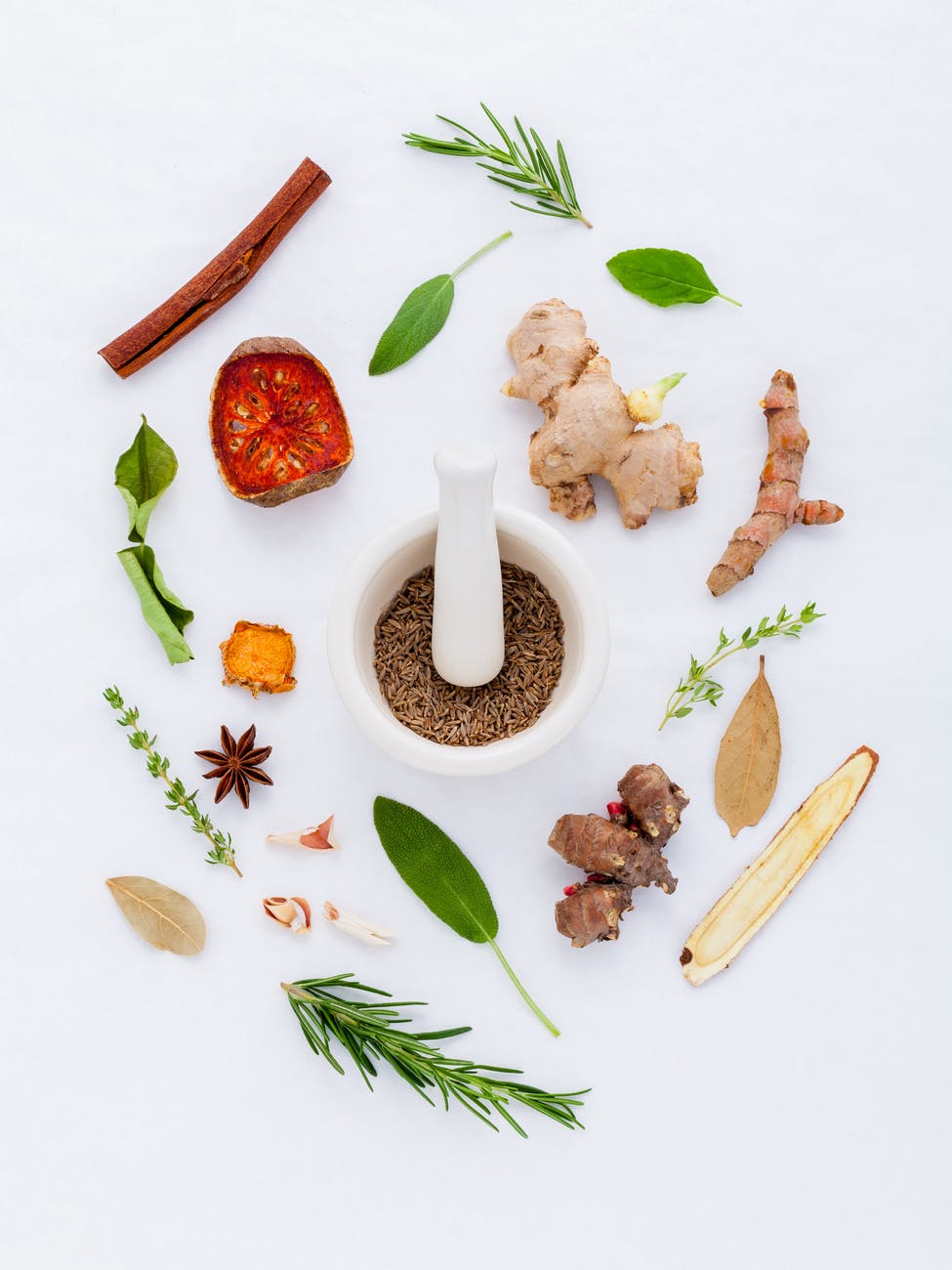
Photo by Pixabay
Adaptogens have been around for thousands of years and have traditionally been used in Indian and Chinese medicine. They are a type of herb (or mushroom) that helps the body adapt to stress. Hence their name, adaptogens! They adapt according to what the body needs; whether that be mental (e.g., increased memory and focus), physical (e.g., energy boost) or emotional (e.g., anxiety relief). Adaptogens won’t take away stress, but help to regulate the body’s stress response system (adrenal glands) and bring it back into balance (homeostasis). They can be found in various forms such as powders, capsules, tinctures (herbal extracts), or in drinks and teas. Adaptogens can be a healthy alternative to prescribed medication and stimulants such as caffeine and sugar. Although their benefits can vary, (as with any supplement), they are most effective when taken over a period of time. They work best not in isolation, but as part of a holistic lifestyle that should include a healthy diet, sleep, exercise and personalized wellness practices. While research has shown how adaptogens can be used to prevent and treat various ailments, I can only speak to my personal experience using them.
My Experience with Adaptogens
It wasn’t until I was introduced to adaptogens through Organika’s webinars (see: Your Hormones: Finding Balance for the Modern-Day Woman or Your Mental Health Matters: Extra Brain-Love During Times of Stress) that I gained a greater interest and understanding of them. These webinars almost always mentioned adaptogens, recipes that include the use of them, and their many benefits. After learning so much, I decided to try out one of their many adaptogen powders. The first one I decided to try was their Organic Chaga Mushroom Calm Powder. That, along with a few of my other favourite Organika products made it to My Wellness Kit! While I was only using this powder on and off shortly after I had purchased it, I started taking it more frequently over the past couple of months since being back to work. I would add roughly one teaspoon of it alongside SMOOV’s euphoric blend (which contains maca, an adaptogen that has hormone-balancing benefits; see below) when I made my oatmeal in the morning. Other times, I mixed it in with my tea or a smoothie. With consistent use, I have been experiencing its benefits. I have found that I’m able to remain quite relaxed throughout a very busy and stressful day, and that it has significantly helped to alleviate menstrual symptoms I have dealt with for many years. Since finishing the chaga mushroom powder, I decided to try Organika’s Organic Ashwagandha Mood Powder. The first two recipes I tried was Moon Milk and Chia & Ashwagandha Overnight Oats (see below). I highly recommend both powders and recipes!
Commonly Used Adaptogens & Their Benefits
Ashwagandha Photo by Google Images
Ashwagandha
Regulates thyroid function which controls emotional hormones
Balances and boosts mood and positive feelings
Decreases the effects of stress by reducing cortisol levels
Chaga Mushroom
High in antioxidant, vitamins and minerals
Reduces the effects of stress, anxiety and regulates hormones
Contains anti-inflammatory properties
Ginseng
Helps to reduce inflammation and boost the immune system
Reduces the effect of stressors
Improves focus and memory
Holy Basil
A source of antioxidant
Boosts immune system and energy
Reduces stress and anxiety
Supports healthy digestion
Lion’s Mane Mushroom
Contains hericenones and erinacines which stimulate the growth of brain cells and protects brain tissue
Improves memory and brain function
Moringa
A multivitamin containing vitamin A, C, calcium, iron, protein, potassium
A source of antioxidant
Maca Root
A good source of vitamins and minerals (containing essential amino acids)
Improves mood and energy
Helps to balance hormones and supports the immune system
Boosts libido in men and women
Reishi Mushroom
Reduces stress by calming the mind (e.g., nerves) and body (e.g., muscle tension)
Improves the quality of sleep through the regulation of stress hormones
Boosts the functioning of the immune system in its defense against viruses and bacteria
Rhodiola rosea
Helps to reduce stress
Improve mental functioning by reducing fatigue
Boosts physical energy
Things to Consider
As with any supplement, results can vary from person to person and over time. What may have worked a week ago may not be effective a year from now. It’s important to pay attention to your body and how you may be responding positively or negatively to certain supplements such as adaptogens. As previously mentioned, it may take some time before you notice the benefits of a supplement. Only after using adaptogens consistently for a few months was I able to experience its benefits. While they are generally safe, it’s important to note that adaptogens could interfere with certain medication. If you’re interested in trying them, it’s best to first talk with your physician and/or a naturopath, especially if you’re taking medication. As always, ensure you are following the recommended dosage identified on the packaging.
Where to Buy Adaptogens
Adaptogens can be found and purchased at health food stores. I have purchased mine at Healthy Planet, but they can also be found on websites such as well.ca.
This website is provided only for informational purposes and not intended to be used to replace professional advice, treatment or professional care. Always speak to your physician, healthcare provider or pediatrician if you have concerns about your own health or the health of a child.
I decided to share this discussion post entry I wrote for the online Self-Reg course I’m currently taking. I imagine a lot of people who are either working or studying from home can relate to sitting in front of a computer screen for long hours of their day or having to start an online course in the evening. In this entry, I share a short reflection of my own experience with noticing a shift in my energy and tension while working towards completing an online course late in the day.
Photo by Peter Olexa
I usually dedicate my weekends to completing my online course modules because I already know that during the week, by the end of a long day at work, that I have very little energy to stay focused on videos and readings. Although I had a busy day yesterday, I knew I wanted to at least begin the module before the end of the night. By the time I finally arrived home and settled in to begin watching the first video of the module, it was already evening. This was a lot later than I’d normally start a module on a weekend. Generally, on a Saturday morning, I’d wake up, workout or do yoga, and then begin a module. So, I already knew I was starting this at a much later time in the day than I normally would have; and to be honest, I wasn’t sure what to expect in terms of how my energy level would sustain throughout the learning. As I began watching the presentation, I noticed my energy level was fairly high. I was comfortable, focused and taking notes. However, I did notice that 40 minutes into the video that my energy level was starting to deplete. I was aware that I had started to feel a little antsy in my chair and noticed my attention start to shift. Although I played the video out until the end, I know that I will need to go back and re-watch the ending of it because I have little recollection of what was mentioned.
Being able to notice the tension I was beginning to experience and that my attention had shifted allowed me to recognize that I had not retained the information from the entire video, and also that there were other stressors that were impacting my ability to remain focused. Having an awareness about how stress and tension impacts my energy and focus has continuously allowed me not to become frustrated or overwhelmed when my mind and body is telling me that I either need to take a break, pause or stop something all together. Because my energy was depleted by the end of the video and it was already so late in the night, I decided to continue the rest of the module today.
Photo by Self-Reg
Building an awareness of your stress, energy and tension is a process that takes time and getting to know yourself much more deeply. Start by noticing when you may be experiencing a shift in your energy (e.g., unable to focus or feeling sleepy) and what things help you to restore. This could be something you’ve tried in the past or as simple as having a drink of water or a snack, taking a break to stretch your legs, or going outside for some fresh air or a walk. The following snippet from a Self-Reg article can help you better understand how your body sends you signals of when your alertness may be shifting:
“Back in the 1960s, the so-called Father of modern Sleep Research, Nathaniel Kleitman, discovered that the brain operates on a circadian basic rest-activity cycle (BRAC), in which we move from higher to lower alertness every 90 minutes. That is, we go through this cycle as much when we are awake as when we are asleep (i.e., the REM sleep-cycle). The brain sends signals of when we are entering this less reactive state during the awake-phase: e.g., we become restless, drowsy, or lose focus. But in our modern fast-paced world we tend to either ignore or override these signals (e.g., with adrenaline, caffeine, sugar, or our smartphones), propelling us towards a chronic low-energy/high-tension state. So the goal of a mindfulness practice like yoga is not only to build in the much-needed restorative breaks, but to become more aware of and heedful of these signals.” (Shanker, 2017).
Know that each day your stress, energy and tension will vary, and so too might the strategies or practices that help you to rebalance and restore. Take time to explore and embrace the ongoing process of building your own stress awareness, and listening to and understanding your brain-body signals. Despite all that I’ve come to learn about myself, I have accepted that this is a lifelong process; one which I owe to discovering, learning and practicing Self-Reg.
This website is provided only for informational purposes and not intended to be used to replace professional advice, treatment or professional care. Always speak to your physician, healthcare provider or pediatrician if you have concerns about your own health or the health of a child.





 the calm educator