
Lately, I’ve noticed something showing up in my workdays: by mid-afternoon, even the smallest decisions start to feel overwhelming. What should I reply to this email? What task should I start next? What should I eat for lunch?
If you’ve ever felt mentally drained by everyday choices, you may have experienced decision fatigue.
What is Decision Fatigue?
Decision fatigue happens when the quality of our decisions declines after a long period of decision-making. Our brains have a limited amount of mental energy each day. The more choices we make, the harder it becomes to make thoughtful, intentional ones.
It doesn’t mean you’re unmotivated or disorganized, it means your brain is tired.
Key Aspects of Decision Fatigue
Signs/Symptoms
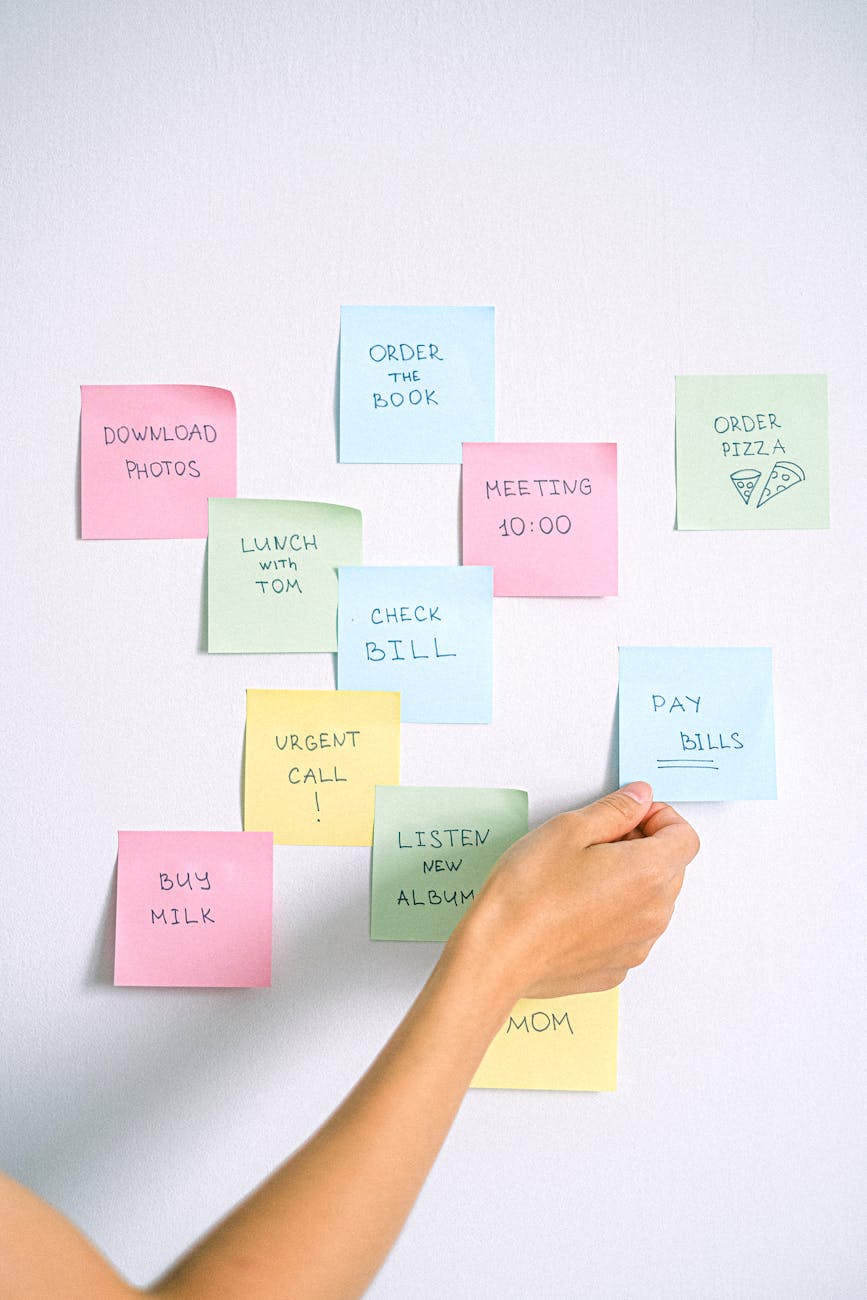
You might notice:
- Procrastination or avoiding decisions altogether
- Feeling overwhelmed by small choices
- Impulsive decisions or “whatever is fine” choices
- Mental exhaustion or irritability
- Difficulty focusing or prioritizing
Causes
Decision fatigue often builds when we:
- Make many decisions in a short time
- Carry responsibility for others- work, family, clients
- Experience stress or lack of rest
- Constantly switch between tasks
- Feel pressure to make the “perfect” choice
Modern life gives us endless options and our brains were never designed for this level of daily decision-making.
Impact
Over time, decision fatigue can affect:
- Productivity and creativity
- Confidence in your choices
- Stress levels and burnout risk
- Work performance and personal life balance
When your mental energy is depleted, even simple tasks can feel heavy.
Everyday Examples
Decision fatigue can look like:
- Staring at your to-do list and not knowing where to start
- Ordering the same meal repeatedly because choosing feels tiring
- Avoiding emails or messages that require decisions
- Feeling exhausted after a day of meetings
- Putting off important tasks because your brain feels “full”
Suggestions on how to manage decision fatigue include:
1. Simplifying repetitive choices 🔁
Create routines for meals, workouts, or morning tasks. Fewer daily decisions = more mental energy saved.
2. Making important decisions early in the day 🕗
Your brain is freshest in the morning. Save big or complex decisions for the first half of your day.
3. Limiting your options 🤔
Too many choices increase stress. Narrow options whenever possible (e.g., choose from 3 options instead of 10).
4. Taking real breaks 🌳
Short breaks reset mental energy. Step away from screens, move your body, or get fresh air.
5. Writing things down 📝
A clear to-do list helps your brain stop juggling decisions in the background.
Decision fatigue is a reminder that our brains need rest, structure, and support, especially during busy seasons of work and life. If you’ve been feeling mentally drained by choices lately, you’re not alone. Sometimes the most productive thing we can do is make fewer decisions and give our minds space to recharge. ⚡
WEBSITE DISCLAIMER
This website is provided only for informational purposes and not intended to be used to replace professional advice, treatment or professional care. Always speak to your physician, healthcare provider or pediatrician if you have concerns about your own health or the health of a child.
 the calm educator