Breathing- it’s something we do many times a day, often without even thinking about it. The oxygen we breathe in and out helps to nourish our brain and body. But when we’re under stress, our breathing can become shallow, short, and quick. This can prevent our body from functioning optimally and, over time, can contribute to burnout and fatigue.
A simple way to understand this is with a candle. If you light a candle and cover the flame with a jar, you’ll notice the flame begins to flicker and eventually dies out due to a lack of oxygen. The same thing happens in our bodies on a subtler level when we’re not breathing well.
The good news? Breathing is one of the few automatic processes in the body that we can consciously control. When we breathe out slowly and intentionally, we activate our parasympathetic nervous system- the part responsible for “rest and digest.” This helps to slow down the heart rate and breathing, calming the stress response and helping us feel more grounded.
Here are a 3 breathing exercises you can try to help restore calm, clarity, and presence:
1. Belly Breathing
Also known as diaphragmatic breathing, this technique encourages full oxygen exchange and helps relax the body.
How to do it:
Sit or lie down comfortably.
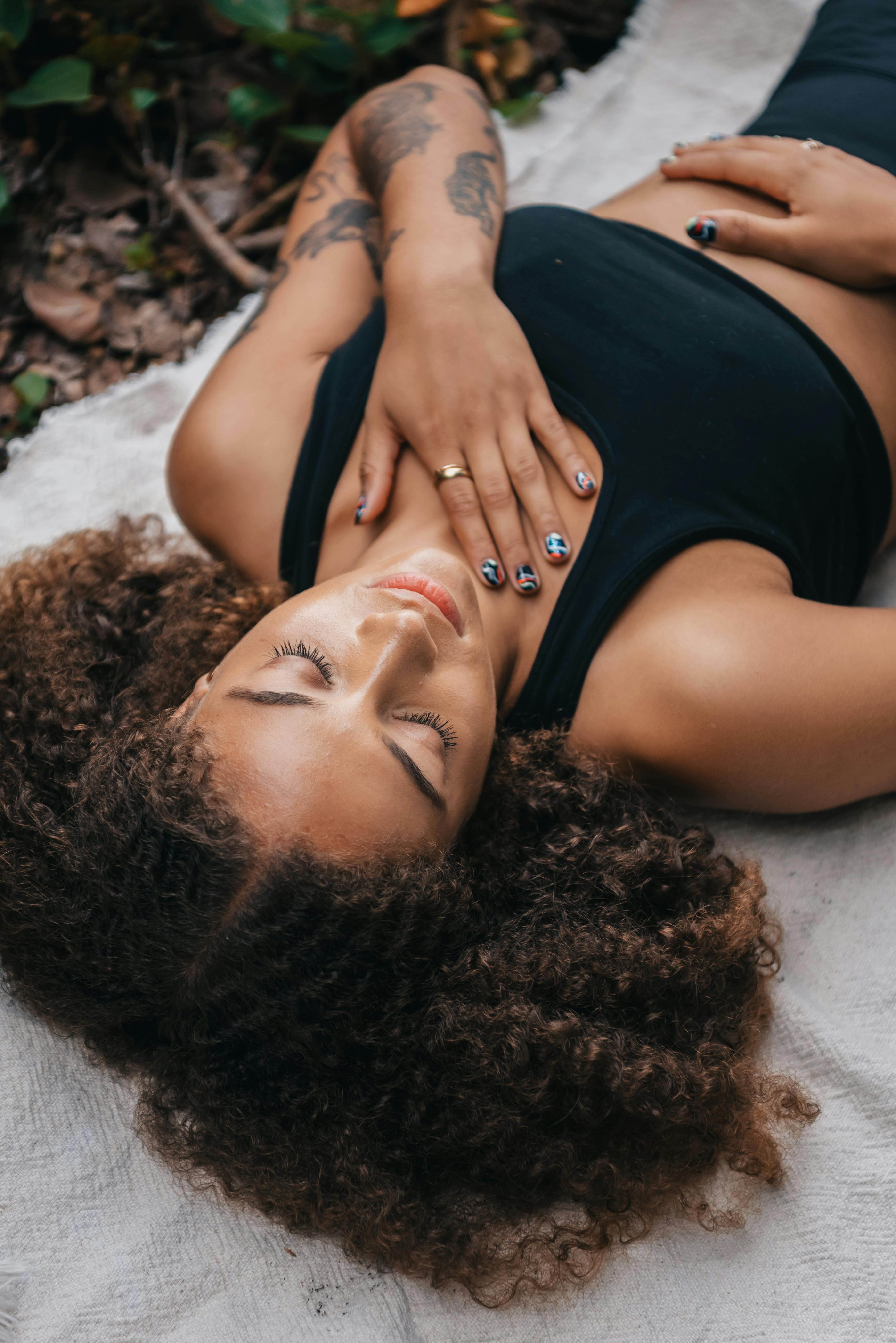
Place one hand on your tummy and the other on your chest.
Inhale deeply through your nose. Notice your belly rising like a balloon. Try to keep your chest relatively still.
Exhale slowly through your mouth, feeling your belly fall.
Keep your shoulders relaxed and steady as you continue.
Try this for 1–2 minutes to start and notice how you feel.
2. Rectangle Breathing
This visual technique helps regulate your breath while bringing your attention back to the present.
How to do it:
Look around the room and find a rectangle (like a book, window, or screen) or imagine one in your mind.
Use your eyes to slowly trace the sides of the rectangle as you breathe:
Inhale along the short side.
Hold your breath along the long side.
Exhale along the next short side.
Hold again along the next long side.
Repeat this pattern for a few rounds, allowing your breathing to slow and even out.
This is a great practice to do discreetly at your desk or during transitions in your day.
3. Flower & Candle Breathing
Perfect for kids and adults alike, this technique is playful, visual, and calming.
How to do it:
Find a relaxed seated position with your spine tall and shoulders soft.
Pretend as if you’re holding a flower in front of your nose.
Breathe in through your nose as if smelling the flower.
Pretend as if you’re holding a candle in front of your mouth.
Breathe out gently through your mouth as if blowing out the candle, making a soft, steady stream of air.
Continue for 3–5 breaths, alternating flower (inhale) and candle (exhale).
Your breath is always with you. It’s a built-in tool for regulating stress, connecting to the present moment, and restoring a sense of calm. Even just a few mindful breaths throughout your day can make a big difference.
So the next time you feel overwhelmed, anxious, or disconnected, just pause and breathe. Your body and mind will thank you.
If you found these breathing exercises helpful, share this post or try incorporating one into your daily routine!
WEBSITE DISCLAIMER
This website is provided only for informational purposes and not intended to be used to replace professional advice, treatment or professional care. Always speak to your physician, healthcare provider or pediatrician if you have concerns about your own health or the health of a child.
“No matter what you eat, how much you exercise, how skinny or young or wise you are, none of it matters if you’re not breathing properly. There is nothing more essential to our health and well-being than breathing: take air in, let it out, repeat 25,000 times a day. Yet, as a species, humans have lost the ability to breathe correctly, with grave consequences.”
– James Nestor, Breath: The New Science of a Lost Art
How to Breathe! To Activate the Calm Response in Your Body is a video presentation by Melissa Holland Mansika. Melissa is a stay-at-home mom, homeschool teacher and career and life transition specialist from Boulder, Colorado. She has a background in teaching graduate psychology students career counselling, life transitions and positive psychology. It is a pleasure to learn from and alongside her as one of my peers in the Self-Reg Facilitator’s Program course!
As a result of her curiosity on the breath and breathing, she created and shared this video presentation about a way of breathing that can activate the calm response in the body. Upon request, after watching her presentation, Melissa kindly gave me permission to share it. In this video, she shares traps and tips of breathing, the anatomy of the breath, and the difference between nasal and mouth breathing. Thank you, Melissa, for expanding my understanding on the breath and breathing, and for allowing your knowledge on this topic to be shared with others!
“Taking some time to learn about the complexity of the breath in the human body, can result in greatly reduced hidden stressors.”
– Melissa Holland Mansika
How to Breathe! To Activate the Calm Response in Your Body by Melissa Holland Mansika
This website is provided only for informational purposes and not intended to be used to replace professional advice, treatment or professional care. Always speak to your physician, healthcare provider or pediatrician if you have concerns about your own health or the health of a child.
“All plants contain adaptogenic/tonic compounds, because plants have to contend with a good deal of stress themselves.” – James Duke
What are Adaptogens?
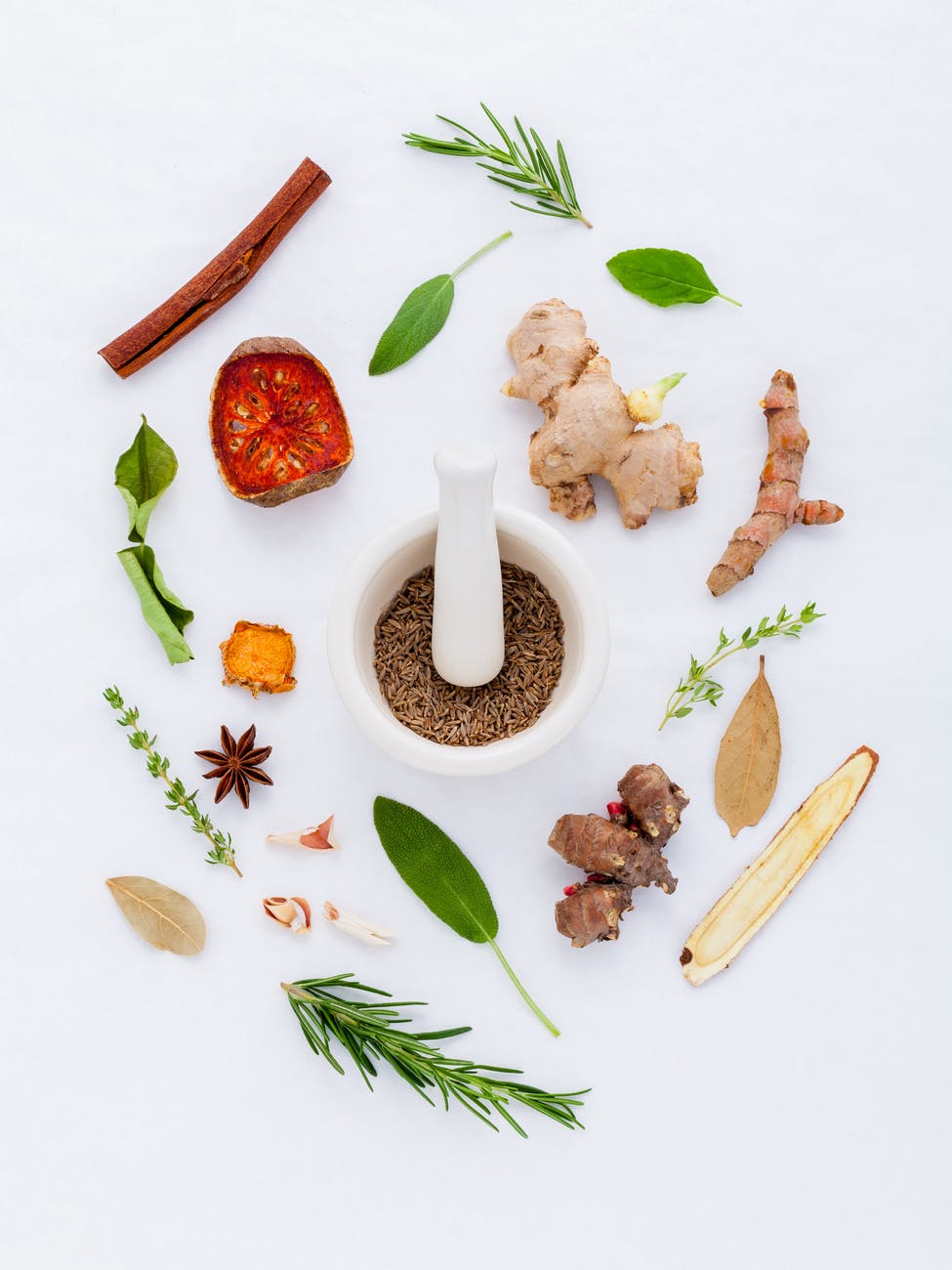
Photo by Pixabay
Adaptogens have been around for thousands of years and have traditionally been used in Indian and Chinese medicine. They are a type of herb (or mushroom) that helps the body adapt to stress. Hence their name, adaptogens! They adapt according to what the body needs; whether that be mental (e.g., increased memory and focus), physical (e.g., energy boost) or emotional (e.g., anxiety relief). Adaptogens won’t take away stress, but help to regulate the body’s stress response system (adrenal glands) and bring it back into balance (homeostasis). They can be found in various forms such as powders, capsules, tinctures (herbal extracts), or in drinks and teas. Adaptogens can be a healthy alternative to prescribed medication and stimulants such as caffeine and sugar. Although their benefits can vary, (as with any supplement), they are most effective when taken over a period of time. They work best not in isolation, but as part of a holistic lifestyle that should include a healthy diet, sleep, exercise and personalized wellness practices. While research has shown how adaptogens can be used to prevent and treat various ailments, I can only speak to my personal experience using them.
My Experience with Adaptogens
It wasn’t until I was introduced to adaptogens through Organika’s webinars (see: Your Hormones: Finding Balance for the Modern-Day Woman or Your Mental Health Matters: Extra Brain-Love During Times of Stress) that I gained a greater interest and understanding of them. These webinars almost always mentioned adaptogens, recipes that include the use of them, and their many benefits. After learning so much, I decided to try out one of their many adaptogen powders. The first one I decided to try was their Organic Chaga Mushroom Calm Powder. That, along with a few of my other favourite Organika products made it to My Wellness Kit! While I was only using this powder on and off shortly after I had purchased it, I started taking it more frequently over the past couple of months since being back to work. I would add roughly one teaspoon of it alongside SMOOV’s euphoric blend (which contains maca, an adaptogen that has hormone-balancing benefits; see below) when I made my oatmeal in the morning. Other times, I mixed it in with my tea or a smoothie. With consistent use, I have been experiencing its benefits. I have found that I’m able to remain quite relaxed throughout a very busy and stressful day, and that it has significantly helped to alleviate menstrual symptoms I have dealt with for many years. Since finishing the chaga mushroom powder, I decided to try Organika’s Organic Ashwagandha Mood Powder. The first two recipes I tried was Moon Milk and Chia & Ashwagandha Overnight Oats (see below). I highly recommend both powders and recipes!
Commonly Used Adaptogens & Their Benefits
Ashwagandha Photo by Google Images
Ashwagandha
Regulates thyroid function which controls emotional hormones
Balances and boosts mood and positive feelings
Decreases the effects of stress by reducing cortisol levels
Chaga Mushroom
High in antioxidant, vitamins and minerals
Reduces the effects of stress, anxiety and regulates hormones
Contains anti-inflammatory properties
Ginseng
Helps to reduce inflammation and boost the immune system
Reduces the effect of stressors
Improves focus and memory
Holy Basil
A source of antioxidant
Boosts immune system and energy
Reduces stress and anxiety
Supports healthy digestion
Lion’s Mane Mushroom
Contains hericenones and erinacines which stimulate the growth of brain cells and protects brain tissue
Improves memory and brain function
Moringa
A multivitamin containing vitamin A, C, calcium, iron, protein, potassium
A source of antioxidant
Maca Root
A good source of vitamins and minerals (containing essential amino acids)
Improves mood and energy
Helps to balance hormones and supports the immune system
Boosts libido in men and women
Reishi Mushroom
Reduces stress by calming the mind (e.g., nerves) and body (e.g., muscle tension)
Improves the quality of sleep through the regulation of stress hormones
Boosts the functioning of the immune system in its defense against viruses and bacteria
Rhodiola rosea
Helps to reduce stress
Improve mental functioning by reducing fatigue
Boosts physical energy
Things to Consider
As with any supplement, results can vary from person to person and over time. What may have worked a week ago may not be effective a year from now. It’s important to pay attention to your body and how you may be responding positively or negatively to certain supplements such as adaptogens. As previously mentioned, it may take some time before you notice the benefits of a supplement. Only after using adaptogens consistently for a few months was I able to experience its benefits. While they are generally safe, it’s important to note that adaptogens could interfere with certain medication. If you’re interested in trying them, it’s best to first talk with your physician and/or a naturopath, especially if you’re taking medication. As always, ensure you are following the recommended dosage identified on the packaging.
Where to Buy Adaptogens
Adaptogens can be found and purchased at health food stores. I have purchased mine at Healthy Planet, but they can also be found on websites such as well.ca.
This website is provided only for informational purposes and not intended to be used to replace professional advice, treatment or professional care. Always speak to your physician, healthcare provider or pediatrician if you have concerns about your own health or the health of a child.
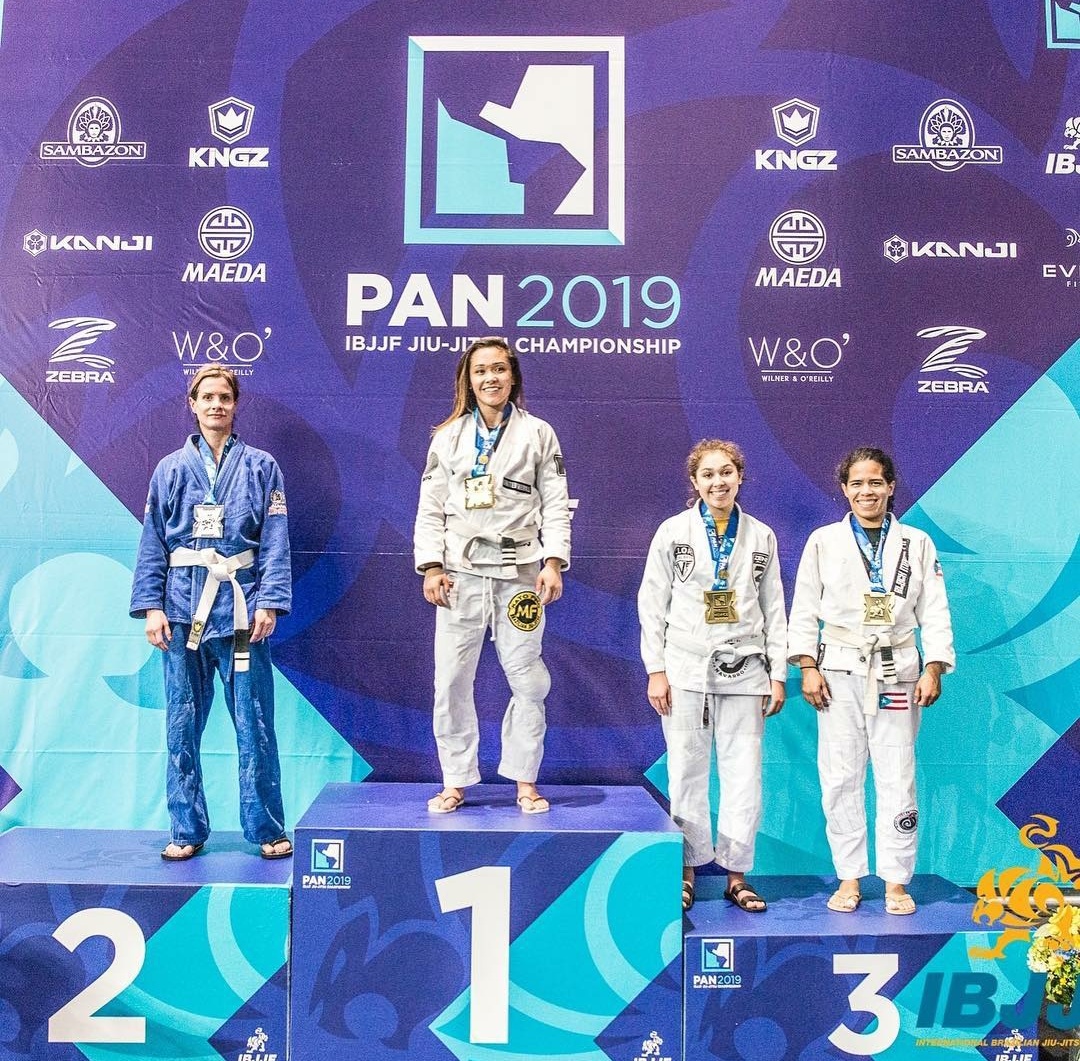
Taylor being awarded gold at the 2019 Pan Jiu-Jitsu IBJJF Championship.
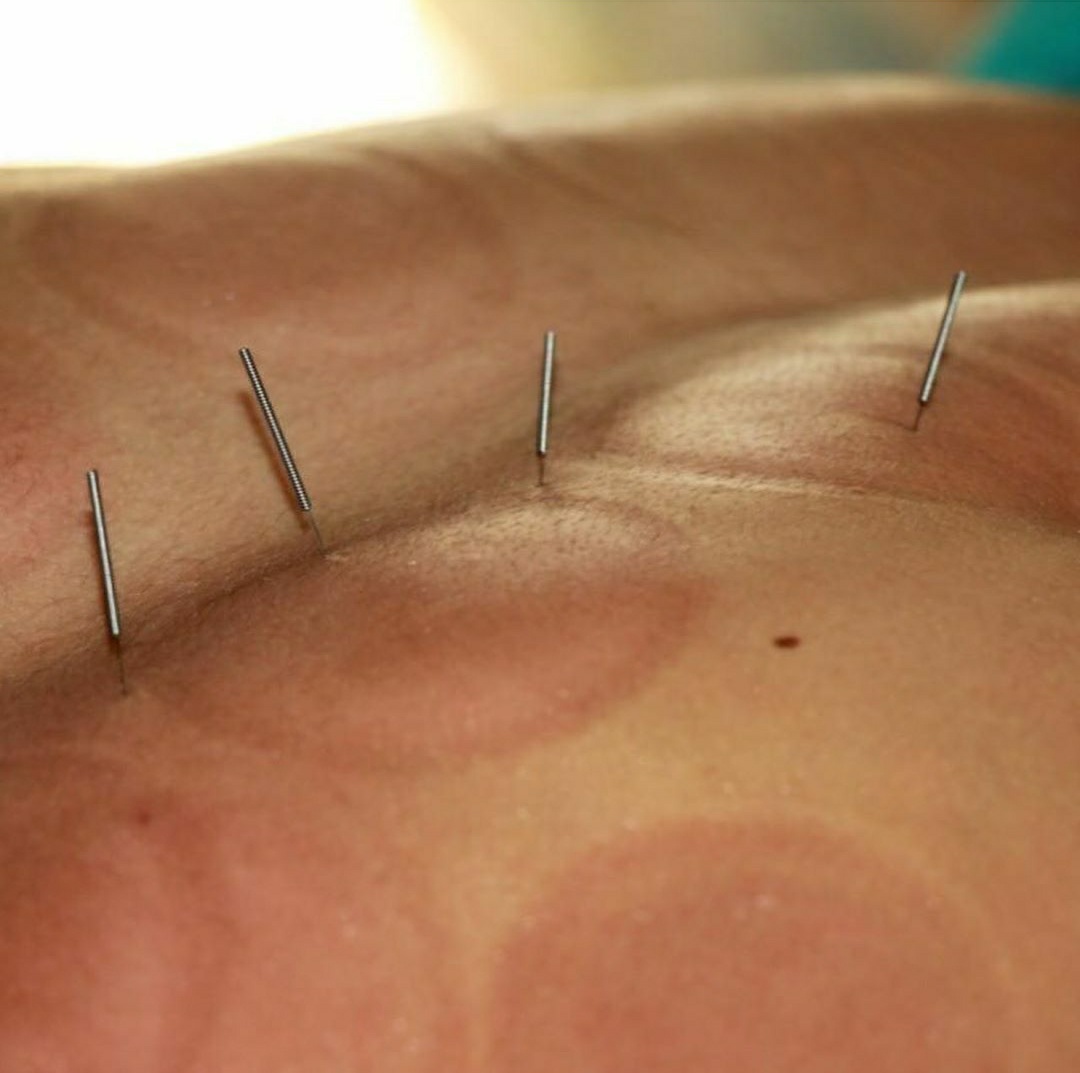
Taylor Findlay is no stranger to the top of tri-level podiums, having earned herself gold at many competitions for her commitment and success in both jiu-jitsu and weightlifting. As with many professional athletes, her dedication to the sport has not come without its fair share of aches and injuries. In this entry, Taylor shares her experience with body healing modalities such as acupuncture, cupping, electrotherapy, and various types of massages, which have, when used in combinations, have helped her to achieve and notice considerable improvements to her body and overall healing process. Acupuncture has been shown to have many healing benefits such as for pain, gut issues and even supporting cancer treatments.
Thank you, Taylor, for sharing your personal experience!
Acupuncture
I’ve had 2 types of acupuncture. One was for injury and the other was for detoxing/pressure points.
Taylor receiving acupuncture treatment while training in Brazil.
I’ve had acupuncture where a sports doctor puts needles in the injured area which I’ve had done for my lower back. In these treatments, I was told I needed a few visits. With my lower back, I had 3 treatments where the therapist placed around 15 or more needles in my lower back/hip area and left them in for about 5 minutes. Then she’d come back to twist them and put them a bit deeper and let them sit. She said when she first put a few of them in, the muscles were tight and that the needles would help release the tension in those areas so she could deepen them to hit the deeper muscles. I found this method didn’t do much for me so I stopped going after 3 treatments.
Acupuncture with Deep Tissue Massage
When I had acupuncture done in my shoulder blade area, it consisted of a combination of treatments. The sports masseuse used acupuncture and a deep tissue massage together. He said the acupuncture could help release tense spots and he could further massage to relax and “reset” the muscles. This treatment I found way more helpful in releasing the tightness and pain experienced with this injury. After the first treatment I felt major differences. He gave me some rehab exercises as homework, and I returned the following week. My injury was way better, but I still went back to make sure I kept it that way.
Electroacupuncture
I also had acupuncture with my chiropractor who believes acupuncture is the baseline to treating any injury. He uses acupuncture in different ways. The first way is where he puts the needles in the injured areas and clips on an electrode which sends currents to the needle. This helps to get to the deeper muscles and gives them a pulsing treatment to help release them. The next way he does acupuncture is by placing a needle in the area as a machine gives concentrated vibration to the needle. When he puts the machine onto the needle, it makes the muscle flex until he takes the machine off the needle. Then he places the needle in other areas around it and repeats. He used these methods in conjunction with a deep tissue massage, Graston Technique, PNF stretching, and a massage gun. I found his treatments to be extremely helpful and consisted of the right combination of different methods. The main injury I saw him for was my ACL which I found made huge improvements. He also explained that using needles would help get the flow of fluid build up in the knee to be able to release. This made a noticeable difference. Then he used the needles to help release tight muscles that support the knee since they were compensating to keep stability in my knee (since my ACL wasn’t fully functioning). This was the best treatment of acupuncture that I have ever received.
Acupuncture for Detoxing/Pressure Points
The time I had acupuncture for detoxing was an unreal experience. I saw an osteopath who used acupuncture to release the pressure points that he said would release the toxins that were stuck in certain areas of the body. He did an assessment to see which areas seemed blocked up and placed the needles in their pressure points to release the blockage. I had smaller needles in my hand, wrist, ankle and in areas I thought were so random to detox such as my liver, kidneys, etc. When he put the needles in, maybe a minute after I felt the detox process. I started really sweating out that my clothes were all wet from the sweat. For me at that time it took A LOT for me to start sweating. I started feeling cold (it was summer so it was warm and I was wearing a t-shirt and shorts), and started to get tunnel vision and was seeing stars. I was freaking out a bit because I felt like I was going to pass out… I had never done a detox kinda treatment like that before. For the fact that I also hated needles, this all had me in a bit of a panic. I told him I didn’t feel well and what I was feeling. He said I looked a bit pale but that was good because the treatment was working. Afterwards, he took the needles out and gave me juice to drink while I sat there to make sure all was good. After leaving, I felt lighter and less bloated and dense.
Overall, I love acupuncture and find that the way my chiropractor used it on me was most effective. Using acupuncture with other methods is what was key to making progress with my injuries. Just having the needles be inserted into the area and left alone didn’t make any real difference for me.
Cupping
With cupping, I’ve had it done with different methods of other treatments. It was always used with other modalities. Overall, I think that cupping on its own would not be an effective treatment for me. They say that it helps bring the blood to the surface and pulls out toxins, so in really bad areas cupping leaves a bruised looking mark. For me, I’ve never had the deep red marks after treatments. In response to that I was told that those areas treated weren’t that bad in terms of it having toxins.
Cupping with Thai Massage
Taylor receiving cupping treatment.
I’ve had cupping done with a Thai massage. I find a Thai massage to be very helpful if I feel overall tightness and my body feels wrecked. So on top of how I normally feel after a treatment, I didn’t feel any different with cupping. I only tried it once and my Thai masseuse didn’t continue to use it afterwards for me since we discussed that there was no real difference.
Cupping with Deep Tissue Massage
I’ve had cupping with a deep tissue massage which again showed me no real difference aside from the deep tissue release with that same treatment. During these treatments, he would use cupping and explained that it pulls the fascia off the muscle to help let it untangle and “breathe”. He has also done cupping where massage oil is placed on the area he wants to treat, then he slides the cup along the area to help pull the fascia apart. He used this on my TFL/IT band area since that’s more so a long tendon attached to the muscle and it would always get very tight. I felt this had more of an impact for me since I felt a bit sore afterwards, like it really did target that area.
Cupping with Acupuncture
I’ve also had cupping done with acupuncture that had stimulants on the needle. This was with my chiropractor who believes acupuncture is the foundation and key to an effective treatment. He would do his acupuncture treatment first, massage a bit to release tense areas, then use cupping to further help with the tighter areas. Again, I found each of these treatments very helpful for the injuries or overall tightness I was going in for. The cupping in junction with other modalities of treatment is what made the session effective. If I were to just have cupping on its own, I don’t believe it would give me great results in resolving my issue.
Electrotherapy
When I’d see my sports therapist, he’d use gel pads to send electrical currents to the area. Depending on the injury, he had different types and sizes of pads that he would apply to the area and program the pattern sequence of the currents to treat the area. He would also adjust the strength of the currents and intensify the level as the treatment went on. When the muscles are tight and locked up, they are more sensitive and can’t handle a high current. But as they start to release, I was able to handle a higher current. After this was done, he used a machine that lasers any inflammation to help reduce it. After this, he would do an ice massage to the area and then put a cooling cream on to help keep the muscle relax so that the healing could continue. I found his treatments to be helpful.
I feel that I know my body very well. So when I’m injured, it depends what the injury is that determines who I will go see to get treatment. If my body just overall feels wrecked from a hard training, I will go see my Thai masseuse. That type of massage is what helps to relax and loosen the tightness. If I am injured like when I did my ACL, my chiropractor who uses different methods is what helps me best. If my muscle is kind of spazzing, then I go to my sports therapist to help on that. I’ve noticed and realized that what’s best for me is a combination of methods that really help and have shown me major improvements.
Taylor achieving blue belt for her hard work, knowledge and skill in jiu-jitsu.
Congratulations on all your achievements, Taylor!
Have you had an experience with acupuncture or any other forms of healing modalities?
Share in the comments below!
WEBSITE DISCLAIMER
This website is provided only for informational purposes and not intended to be used to replace professional advice, treatment or professional care. Always speak to your physician, healthcare provider or pediatrician if you have concerns about your own health or the health of a child.



 the calm educator