The Science of Yoga

Health & Lifestyle

Produced by Uplift TV (source)

Four Components of Yoga

  • Physical
    • Postures, stretches, exercises, movements, breathing and relaxation techniques
    • Affects our body’s overall functioning 
  • Self-Regulation
    • Ability to control internal stress and emotional responses 
    • Leads to resilience to stress, self-efficacy and equanimity in the face of emotions
  • Mind-Body Awareness
    • Feeling and experiencing what’s going on in the body and mind (being able to observe the flow of thought)
    • Leads to increased mindfulness that can change behaviours in a positive way
  • Experiencing Deeper States
    • Spiritual, transformative, leads to positive lifestyle and goals, improves and enhances life meaning and purpose 
Photo by Ketut Subiyanto

Benefits of Yoga

  • Research has shown measures of reduction in:
    • Depression
    • Anxiety
    • Psychological distress
    • Frequency of negative experiences 
  • Increase in resiliency and the frequency of positive experiences
  • Improvement in mental health
  • Creates much needed space in the body and mind 
  • Establishes connections by moving energy through the body
  • Yoga stretches the body; meditation empties the mind 
  • Enables management of the stress response system 

Breathing

  • Breath is the most powerful tool that everyone has to bring their stress response under their control 
  • It’s possible to reduce blood pressure by controlling breathing
  • Blood pressure is controlled by the sympathetic nervous system (the messenger of the stress response) 
  • Postures in yoga creates challenge that our mind is constantly dealing with; this can be controlled through breathing
  • Breathing + effort of regulating thought enhance parasympathetic nervous signal and brings sympathetic nervous signal down 
  • Breathing can be practiced within yoga and in daily life 

Mind & Brain

  • Yoga strengthens the power of the mind and how we connect with the world
  • The mind controls our health and biology 
  • 1% of illness is related to genes; 90% of illness is related to stress 
  • Yoga brings the mind into focus and can change brain activity and structure (such as plasticity, resulting in the brain becoming conducive to the benefits that come with yoga and meditation)
  • Can change and enhance gene activity that’s good for you (improved immune response); down-regulates negative gene activity when under chronic stress (inflammation) 
Photo by Polina Tankilevitch

Barriers to Moving Yoga Forward 

  • Perception and misconceptions about yoga, often created by the media:
    • Yoga viewed as complex exercise forms and postures; requires you to be flexible, thin, young to practice; is difficult, specific and not adaptable to individual circumstances
      • Yoga practices can be adapted to any population, and still train the same properties (mind-body coordination, mindfulness, awareness) 
  • Chair yoga for elders
  • Can be done with young children

Global Benefits 

  • Survival requires the foundation of human behaviours and the way we respond to life and to change
  • Using our individual power for harmony, connection, union
    • First done by the individual through healing themselves, taking back power over their behaviour, becoming in harmony and good health  
    • Establishing awareness, self-regulation, immunity to stress, compassion, high-mindedness, clarity 
    • Our collective nature as individuals becomes stronger and harmonious, leading to a greater influence on the planet 
  • Engaging in yoga is a practice of evolution and transformation on society as a whole 

Ready to get started?

Yoga with Adriene

Arianna Elizabeth

Black Yogi Nico Marie

Breathe and Flow

The Bare Female

Mady Morrison

Yoga With Bird

Alo Yoga

Lululemon

Yoga for Kids

Yoga for Elders


WEBSITE DISCLAIMER

This website is provided only for informational purposes and not intended to be used to replace professional advice, treatment or professional care. Always speak to your physician, healthcare provider or pediatrician if you have concerns about your own health or the health of a child.
Self-Care is Never Selfish

Health & Lifestyle

“When you put your needs last, you’re like a plant without water that’s worried about providing enough shade for others.”

– Alexis Jones (activist and motivational speaker)

I’m sure we’ve all heard these words before: “You can’t pour from an empty cup”. In other words, if you aren’t taking good care of yourself, you can’t effectively take care of others. It’s so important that you find the time for self-care and attention.

Here are 7 ways you can practice self-care:

Stay Nourished 🥗

They say you are what you eat. Care for your body by fueling it with healthy and nourishing meals and snacks. Be mindful of certain foods that don’t make you feel good and consider eliminating them from your diet. Especially during warmer weather, remember to stay hydrated by drinking lots of water throughout the day and everyday.

Learn more: Brain-Gut Connection / 7 Ways to Practice Mindful Eating

Sleep Well 💤

This is not only about how many hours of sleep you get, but also about the quality of your sleep. You work hard throughout the day, so take the time needed to restore. While it’s ideal to get at least 7-9 hours of sleep, make sure you feel comfortable while you are and that you’re waking up feeling well-rested.

Learn more: Sleep & Stress Management / How to Sleep for Peak Mental Performance

Get and Stay Active 💪

Physical activity is great for your body and mind. Your brain releases endorphins, a feel-good brain chemical that helps to reduce stress. You deserve to feel good! Plus, it boosts your energy, immune system and improves sleep. So, strap on your running shoes. A nice 30-minute walk is all it takes.

Connect with Others 📞

Whether it’s a family member, friend or colleague, connect and spend time with people you know and trust. Know when to ask for help when you need it. That is a form of self-care.

Take a Pause

Stop, slow down, and make time for pause. Listen to calming music, journal, pray, meditate, go for a walk in nature, take a few deep breaths or stretch. Taking a pause is a great way to pace yourself and reset.

Learn more: Meditation Tools & Tips

Be Kind to Yourself 🥰

Never be so hard on yourself! Embrace yourself fully – all your mistakes and accomplishments. We are human after all. Know that you are doing the best you can. Try this: Look in the mirror and say something kind to yourself each day.

Stay Committed 📆

Build a self-care routine and try your very best to stay committed to it. Without a doubt, the demands of life can be stressful. Now more than ever, remember to first fill up your own cup. Find what feels good to you, stick to it, and keep going!

Learn more: Your Mental Health Matters: Extra Brain-Love During Times of Stress

What are other ways you practice self-care? Share them in the comments section! 👇


Subscribe to receive articles straight to your inbox. It’s totally free!


WEBSITE DISCLAIMER

This website is provided only for informational purposes and not intended to be used to replace professional advice, treatment or professional care. Always speak to your physician, healthcare provider or pediatrician if you have concerns about your own health or the health of a child.

How to Breathe! To Activate the Calm Response in Your Body

Self-Regulation

“No matter what you eat, how much you exercise, how skinny or young or wise you are, none of it matters if you’re not breathing properly. There is nothing more essential to our health and well-being than breathing: take air in, let it out, repeat 25,000 times a day. Yet, as a species, humans have lost the ability to breathe correctly, with grave consequences.”

– James Nestor, Breath: The New Science of a Lost Art


How to Breathe! To Activate the Calm Response in Your Body is a video presentation by Melissa Holland Mansika. Melissa is a stay-at-home mom, homeschool teacher and career and life transition specialist from Boulder, Colorado. She has a background in teaching graduate psychology students career counselling, life transitions and positive psychology. It is a pleasure to learn from and alongside her as one of my peers in the Self-Reg Facilitator’s Program course!

As a result of her curiosity on the breath and breathing, she created and shared this video presentation about a way of breathing that can activate the calm response in the body. Upon request, after watching her presentation, Melissa kindly gave me permission to share it. In this video, she shares traps and tips of breathing, the anatomy of the breath, and the difference between nasal and mouth breathing. Thank you, Melissa, for expanding my understanding on the breath and breathing, and for allowing your knowledge on this topic to be shared with others!

“Taking some time to learn about the complexity of the breath in the human body, can result in greatly reduced hidden stressors.”

– Melissa Holland Mansika

How to Breathe! To Activate the Calm Response in Your Body by Melissa Holland Mansika

Additional Resources on Breathing

Breath: The New Science of a Lost Art, by James Nestor

How to Maximize the Power of Your Breath (The Goop Podcast with James Nestor)

Conscious Breathing: Discover the Power of your Breath, by Anders Olsson

Calming Down a Stressed Brain Through Conscious Breathing with Anders Olsson

The Oxygen Advantage, by Patrick McKeown

Shut Your Mouth to Change Your Life with Patrick McKeown


WEBSITE DISCLAIMER

This website is provided only for informational purposes and not intended to be used to replace professional advice, treatment or professional care. Always speak to your physician, healthcare provider or pediatrician if you have concerns about your own health or the health of a child.

Let’s Talk Adaptogens!

Health & Lifestyle

“All plants contain adaptogenic/tonic compounds, because plants have to contend with a good deal of stress themselves.” – James Duke

What are Adaptogens?

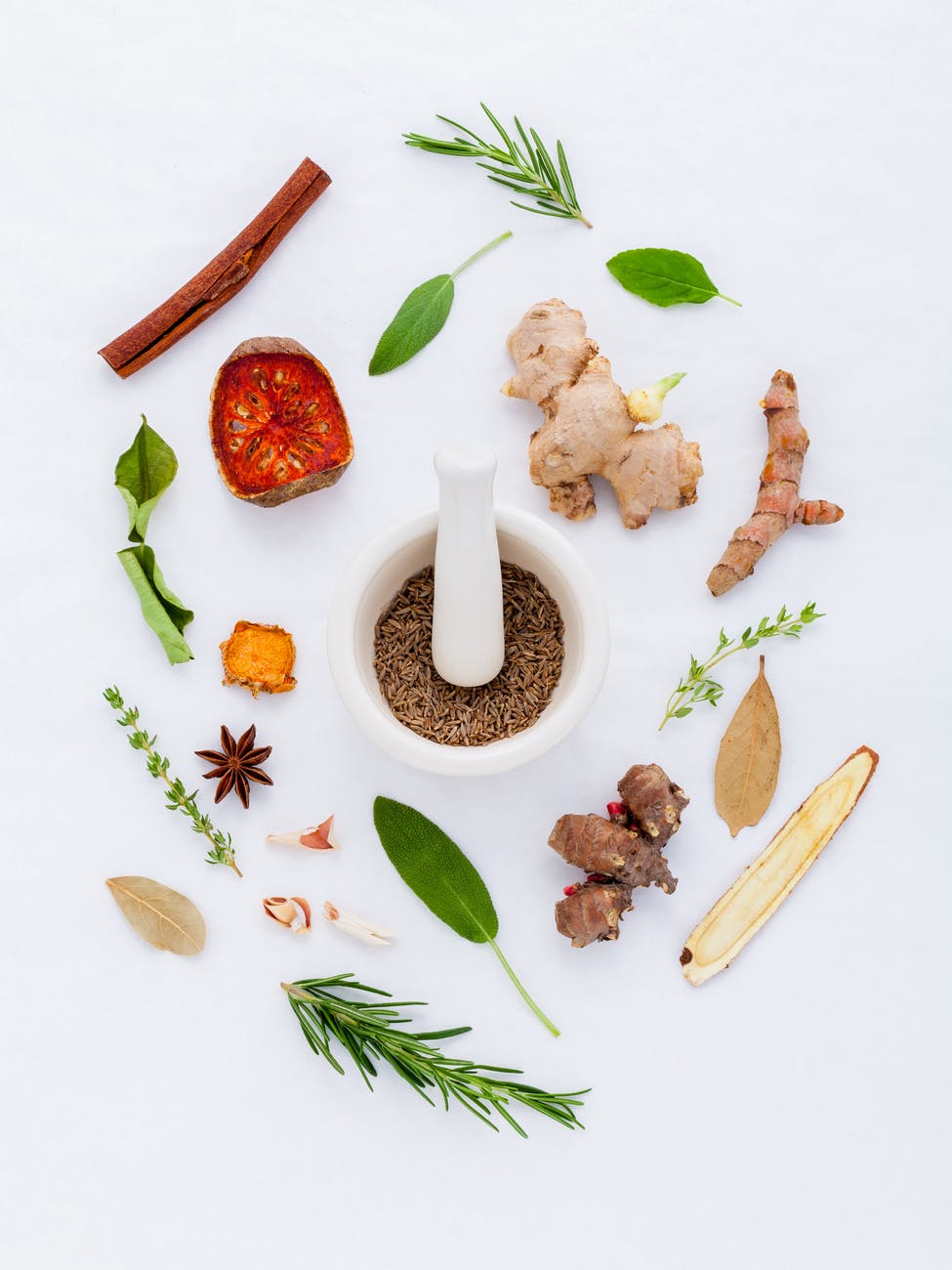
food on white background
Photo by Pixabay

Adaptogens have been around for thousands of years and have traditionally been used in Indian and Chinese medicine. They are a type of herb (or mushroom) that helps the body adapt to stress. Hence their name, adaptogens! They adapt according to what the body needs; whether that be mental (e.g., increased memory and focus), physical (e.g., energy boost) or emotional (e.g., anxiety relief). Adaptogens won’t take away stress, but help to regulate the body’s stress response system (adrenal glands) and bring it back into balance (homeostasis). They can be found in various forms such as powders, capsules, tinctures (herbal extracts), or in drinks and teas. Adaptogens can be a healthy alternative to prescribed medication and stimulants such as caffeine and sugar. Although their benefits can vary, (as with any supplement), they are most effective when taken over a period of time. They work best not in isolation, but as part of a holistic lifestyle that should include a healthy diet, sleep, exercise and personalized wellness practices. While research has shown how adaptogens can be used to prevent and treat various ailments, I can only speak to my personal experience using them.

My Experience with Adaptogens

It wasn’t until I was introduced to adaptogens through Organika’s webinars (see: Your Hormones: Finding Balance for the Modern-Day Woman or Your Mental Health Matters: Extra Brain-Love During Times of Stress) that I gained a greater interest and understanding of them. These webinars almost always mentioned adaptogens, recipes that include the use of them, and their many benefits. After learning so much, I decided to try out one of their many adaptogen powders. The first one I decided to try was their Organic Chaga Mushroom Calm Powder. That, along with a few of my other favourite Organika products made it to My Wellness Kit! While I was only using this powder on and off shortly after I had purchased it, I started taking it more frequently over the past couple of months since being back to work. I would add roughly one teaspoon of it alongside SMOOV’s euphoric blend (which contains maca, an adaptogen that has hormone-balancing benefits; see below) when I made my oatmeal in the morning. Other times, I mixed it in with my tea or a smoothie. With consistent use, I have been experiencing its benefits. I have found that I’m able to remain quite relaxed throughout a very busy and stressful day, and that it has significantly helped to alleviate menstrual symptoms I have dealt with for many years. Since finishing the chaga mushroom powder, I decided to try Organika’s Organic Ashwagandha Mood Powder. The first two recipes I tried was Moon Milk and Chia & Ashwagandha Overnight Oats (see below). I highly recommend both powders and recipes!

Commonly Used Adaptogens & Their Benefits

Ashwagandha
Photo by Google Images
  • Ashwagandha
    • Regulates thyroid function which controls emotional hormones
    • Balances and boosts mood and positive feelings
    • Decreases the effects of stress by reducing cortisol levels
  • Chaga Mushroom
    • High in antioxidant, vitamins and minerals
    • Reduces the effects of stress, anxiety and regulates hormones
    • Contains anti-inflammatory properties
  • Ginseng
    • Helps to reduce inflammation and boost the immune system
    • Reduces the effect of stressors
    • Improves focus and memory
  • Holy Basil
    • A source of antioxidant
    • Boosts immune system and energy
    • Reduces stress and anxiety
    • Supports healthy digestion
  • Lion’s Mane Mushroom
    • Contains hericenones and erinacines which stimulate the growth of brain cells and protects brain tissue
    • Improves memory and brain function
  • Moringa
    • A multivitamin containing vitamin A, C, calcium, iron, protein, potassium
    • A source of antioxidant
  • Maca Root
    • A good source of vitamins and minerals (containing essential amino acids)
    • Improves mood and energy
    • Helps to balance hormones and supports the immune system
    • Boosts libido in men and women
  • Reishi Mushroom
    • Reduces stress by calming the mind (e.g., nerves) and body (e.g., muscle tension)
    • Improves the quality of sleep through the regulation of stress hormones
    • Boosts the functioning of the immune system in its defense against viruses and bacteria
  • Rhodiola rosea
    • Helps to reduce stress
    • Improve mental functioning by reducing fatigue
    • Boosts physical energy

Things to Consider

As with any supplement, results can vary from person to person and over time. What may have worked a week ago may not be effective a year from now. It’s important to pay attention to your body and how you may be responding positively or negatively to certain supplements such as adaptogens. As previously mentioned, it may take some time before you notice the benefits of a supplement. Only after using adaptogens consistently for a few months was I able to experience its benefits. While they are generally safe, it’s important to note that adaptogens could interfere with certain medication. If you’re interested in trying them, it’s best to first talk with your physician and/or a naturopath, especially if you’re taking medication. As always, ensure you are following the recommended dosage identified on the packaging.

Where to Buy Adaptogens

Adaptogens can be found and purchased at health food stores. I have purchased mine at Healthy Planet, but they can also be found on websites such as well.ca.

Ready to get started?

See: Five Stress Healing Solutions for more ways to reduce stress!


Take care, and be well.


WEBSITE DISCLAIMER

This website is provided only for informational purposes and not intended to be used to replace professional advice, treatment or professional care. Always speak to your physician, healthcare provider or pediatrician if you have concerns about your own health or the health of a child.

Noticing a Shift in My Energy and Tension

Self-Regulation

I decided to share this discussion post entry I wrote for the online Self-Reg course I’m currently taking. I imagine a lot of people who are either working or studying from home can relate to sitting in front of a computer screen for long hours of their day or having to start an online course in the evening. In this entry, I share a short reflection of my own experience with noticing a shift in my energy and tension while working towards completing an online course late in the day.

person using black and silver laptop computer
Photo by Peter Olexa

I usually dedicate my weekends to completing my online course modules because I already know that during the week, by the end of a long day at work, that I have very little energy to stay focused on videos and readings. Although I had a busy day yesterday, I knew I wanted to at least begin the module before the end of the night. By the time I finally arrived home and settled in to begin watching the first video of the module, it was already evening. This was a lot later than I’d normally start a module on a weekend. Generally, on a Saturday morning, I’d wake up, workout or do yoga, and then begin a module. So, I already knew I was starting this at a much later time in the day than I normally would have; and to be honest, I wasn’t sure what to expect in terms of how my energy level would sustain throughout the learning. As I began watching the presentation, I noticed my energy level was fairly high. I was comfortable, focused and taking notes. However, I did notice that 40 minutes into the video that my energy level was starting to deplete. I was aware that I had started to feel a little antsy in my chair and noticed my attention start to shift. Although I played the video out until the end, I know that I will need to go back and re-watch the ending of it because I have little recollection of what was mentioned. 

Being able to notice the tension I was beginning to experience and that my attention had shifted allowed me to recognize that I had not retained the information from the entire video, and also that there were other stressors that were impacting my ability to remain focused. Having an awareness about how stress and tension impacts my energy and focus has continuously allowed me not to become frustrated or overwhelmed when my mind and body is telling me that I either need to take a break, pause or stop something all together. Because my energy was depleted by the end of the video and it was already so late in the night, I decided to continue the rest of the module today.

Photo by Self-Reg

Building an awareness of your stress, energy and tension is a process that takes time and getting to know yourself much more deeply. Start by noticing when you may be experiencing a shift in your energy (e.g., unable to focus or feeling sleepy) and what things help you to restore. This could be something you’ve tried in the past or as simple as having a drink of water or a snack, taking a break to stretch your legs, or going outside for some fresh air or a walk. The following snippet from a Self-Reg article can help you better understand how your body sends you signals of when your alertness may be shifting:

“Back in the 1960s, the so-called Father of modern Sleep Research, Nathaniel Kleitman, discovered that the brain operates on a circadian basic rest-activity cycle (BRAC), in which we move from higher to lower alertness every 90 minutes. That is, we go through this cycle as much when we are awake as when we are asleep (i.e., the REM sleep-cycle). The brain sends signals of when we are entering this less reactive state during the awake-phase: e.g., we become restless, drowsy, or lose focus. But in our modern fast-paced world we tend to either ignore or override these signals (e.g., with adrenaline, caffeine, sugar, or our smartphones), propelling us towards a chronic low-energy/high-tension state. So the goal of a mindfulness practice like yoga is not only to build in the much-needed restorative breaks, but to become more aware of and heedful of these signals.” (Shanker, 2017).

Know that each day your stress, energy and tension will vary, and so too might the strategies or practices that help you to rebalance and restore. Take time to explore and embrace the ongoing process of building your own stress awareness, and listening to and understanding your brain-body signals. Despite all that I’ve come to learn about myself, I have accepted that this is a lifelong process; one which I owe to discovering, learning and practicing Self-Reg.


To learn more about stress, energy and tension:

How I Got Through Some of My Lowest Days in Lockdown

Stress & Stressors

Interested in Self-Reg or one of their courses?

Self-Reg 101

Self-Reg Courses

Self-Regulation Resources

Connect with me to learn more about my Self-Reg journey!


References: Shanker, Stuart. (2017). The Self-Reg View on: Mindfulness (Part 1). Self-Reg. http://self-reg.ca/wp-content/uploads/2020/06/Infosheet_Mindfulness_1.pdf


WEBSITE DISCLAIMER

This website is provided only for informational purposes and not intended to be used to replace professional advice, treatment or professional care. Always speak to your physician, healthcare provider or pediatrician if you have concerns about your own health or the health of a child.

My Wellness Kit

Health & Lifestyle

Wellness and healthy well-being is so important to me and I hope it is for you too!

Here I share with you the brands, products and items that are apart of my wellness kit.


SMOOV Superfood Blends

SMOOV is a Canadian brand of all-natural superfood blends. I have been using these blends since last winter and let me tell you, they are amazing! These blends are organic, come in a wide variety and contains the cleanest ingredients such as alfalfa grass, goji berry, maca, spirulina and many others. If you’re looking to boost energy, mood or immunity, satisfy a sweet tooth craving (as I’m always doing), detox and get your intake of greens, manage stress… there’s a blend for you. Best of all, they’re a convenient way to get your vitamins and nutrients, are easy to use and most are great for kids too. I’ve made smoothie bowls, protein balls and added it to my oats. I honestly love them all (including the berry exotic blend captured in the photo), but I have to say, my top 2 favourite SMOOV Superfood Blends are: green blend and euphoric blend. I haven’t gone a week without using one or the other. See: Kid-friendly Superfoods for Health and Immunity to learn more about the green blend and Kid-friendly Superfoods for that Sweet Tooth to learn more about the euphoric blend.

Saje Natural Wellness

Saje Natural Wellness is a Canadian brand of essential oils, skin care and household products. I have been using this brand for a few years now. The first item I owned by them was their travel-size Pocket Farmacy Remedy Kit which includes a set of roll-on oils for stress, pain, indigestion, headaches and colds. This brand carries a variety of all-natural wellness products such as essential oils and diffusers, body and skin care products, household cleaning products and more. Essential oils are extracted from plants and go through an extensive process to become an oil. They have many healing benefits such as alleviating pain, relieving stress by aiding in calm and relaxation, soothing stomach and digestion issues, improving skin conditions and so much more. Some of my many favourite Saje products are: Echinacea Throat Spray, After the Rain Diffuser Blend, Fortify Cough & Cold Nasal Inhaler, Goddess Natural Deodorant Spray, and Muscle Melt.

DAVIDsTEA

DAVIDsTEA is one of the largest Canadian-based specialty tea and tea accessories brand. I still remember one of the first orders of loose-leaf teas I made from them. One of their travel mugs that was gifted to me a few years ago was one of the only mugs that kept my tea hot for many hours throughout the day. I brought it everywhere – to work, morning classes and on trips out of the city. My favourite DAVIDsTEA products are: Organic North African Mint tea, lock top travel mug, perfect infuser and tea filters. Unfortunately, they have recently announced that they will be closing a number of their stores across Canada as part of a reconstructuring plan. Thankfully, they are available online!

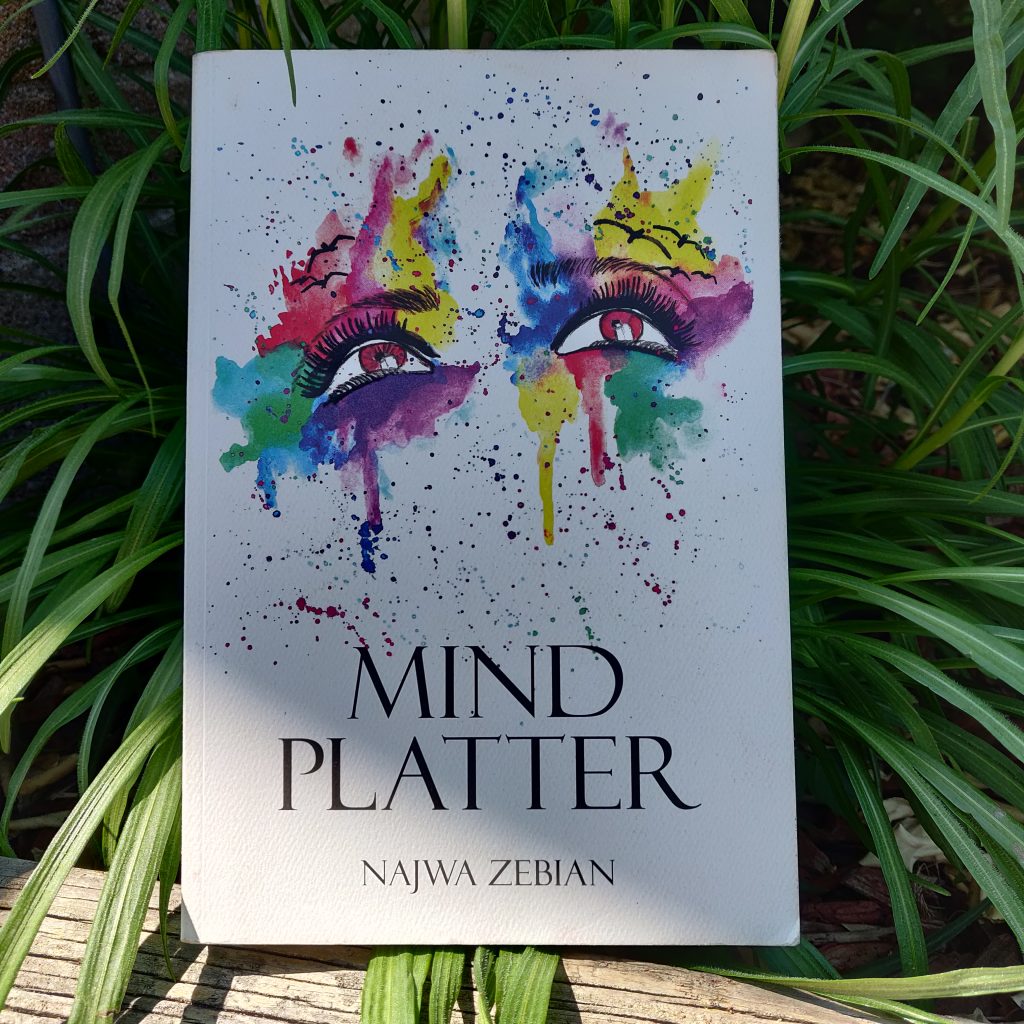
Mind Platter by Najwa Zebian

Mind Platter is a book written by a Lebanese-Canadian author by the name of Najwa Zebian. This book is food for the soul, containing a collection of single-page reflections on topics such as love, motivation, friendship, inspiration and more. What I love about these reflections is that they are entirely up to your interpretation. I came across this book randomly while browsing around at Eaton Centre’s Indigo. I instantly fell in love with the artistic book cover and the message on the back. It reads:

“At the end of the day, no one will walk your journey for you.

You have to do that.

At the end of the day, no one will dream from you.

You have to do that.”

After reading through a few of the reflections, I knew I had to own it.

Organika

Organika is a Canadian-based company of quality vitamins, supplements and functional food products. While I’ve known of this brand for some time, I’ve only started using their products this year. This is mainly due to the informative webinars they have hosted over the past few months. In these webinars they promote many of their products such as their line of collagen, adaptogens and various other supplements. My most recent and favourite Organika products are: Enhanced Collagen, Probiotic + Prebiotic Powder and Calm – Organic Chaga Mushroom Powder.

Below you will find a collection of notes I’ve taken on a number of Organika’s free webinars:

Gut Health 101

Strengthening Your Immune System

Sleep & Stress Management

Your Mental Health Matters: Extra Brain-Love During Times of Stress

Beyond Skin Deep: Holistic Health for Glowing Skin


What are your favourite wellness and health brands, products or items? Share in the comments below!


WEBSITE DISCLAIMER

This website is provided only for informational purposes and not intended to be used to replace professional advice, treatment or professional care. Always speak to your physician, healthcare provider or pediatrician if you have concerns about your own health or the health of a child.

“There is only now.”

Early Childhood, Self-Regulation

As part of my Self-Reg Facilitator’s Program course with The MEHRIT Centre, we are always tasked with responding to a series of discussion questions. For last week’s module, we were asked to reflect and respond to one of two quotes. I decided to share the quote and my short reflection on it.

Reading this quote by Susan Hopkins brings to mind what Dr. Stuart Shanker said about the womb not being a stress-free environment, but rather, a stress-reduced environment. Self-regulation is how we manage stress. Even before we are born into this world full of different stressors, we have already encountered and been exposed to a certain degree of stress (low to high) from and through our mother, while in the womb. This can be due to her adjusting to the changes that come with pregnancy (hormonal, emotional, mood, daily routines), possible existing health challenges, environmental stressors, just to list a few. The fetal brain and spinal cord (central nervous system) is the first to develop during fetal development at about week 3 until full term (see: Sensitive Periods of a Baby’s Development). Our nervous system is what’s responsible for our stress response. So even before we are born, that system has already been actively developing and engaged in the womb, and if there are no complications, should be fully developed by the time we are born. Babies are ready for self-regulation from the time their central nervous system is beginning to develop. A fetus in the womb depends on its mother’s ability to self-regulate (manage the stress and changes that come with life and pregnancy) before they are born. As Stuart says in Reframed: Self-Reg for a Just Society, they are “transitioning from one type of womb to another, an ‘external womb'”. Since babies can’t yet self-regulate on their own, once they enter the “external womb” (the world), they depend on the adults in their lives to help them to do so.

An article I came across titled, When Does the Fetus’s Brain Begin to Work? by Zero to Three states: 

“In the last trimester, fetuses are capable of simple forms of learning, like habituating (decreasing their startle response) to a repeated auditory stimulus, such as a loud clap just outside the mother’s abdomen. Late-term fetuses also seem to learn about the sensory qualities of the womb, since several studies have shown that newborn babies respond to familiar odors (such as their own amniotic fluid) and sounds (such as a maternal heartbeat or their own mother’s voice). In spite of these rather sophisticated abilities, babies enter the world with a still-primitive cerebral cortex, and it is the gradual maturation of this complex part of the brain that explains much of their emotional and cognitive maturation in the first few years of life.”

Children are always ready for self-regulation. There is only and always now.


WEBSITE DISCLAIMER

This website is provided only for informational purposes and not intended to be used to replace professional advice, treatment or professional care. Always speak to your physician, healthcare provider or pediatrician if you have concerns about your own health or the health of a child.
Stress & Stressors

Self-Regulation

Learning how to cope with stress is an important part of development.” – Center on the Developing Child


How much do you already know about stress?

Did you know that there are three types of stress and different types of stressors?

Keep reading to learn more.

Stress & Self-Reg’s 5 Domains of Stressors

Now that we understand how our body responds to stress (see: What is Self-Regulation?), let’s look at what stress is and what stressors are, defined by Dr. Stuart Shanker, Founder and Visionary of The MEHRIT Centre:

Stress: anything that requires our internal system to burn energy in order to maintain some sort of internal balance.

Stressors: an event or experience that triggers stress.

Dr. Stuart Shanker identifies stressors across 5 domains:

While the examples of stressors provided from the links below have been tailored to children and their learning, many of them are stressors that adults can relate to having as well. (Visit: Stressors in the 5 Domains of Self-Reg for a list of more examples to the ones provided below)

The Biological Domain
  • Biological: Internal or external stressors that affect our physiological system
    • e.g., hunger, feeling sick, a loud noise, screen time
  • Emotion: Stressors related to strong emotions, both positive and negative
    • e.g., fears, change of routine, excitement, grief/loss
  • Cognitive: Stressors related to difficulty processing certain information
    • e.g., time pressure, learning something new, boredom, multi-tasking
  • Social: Social stressors, related to social cues and the behaviour of self and others
    • e.g., social media, peer pressure, confrontation, meeting someone new
  • Prosocial: Stressors related to difficulty coping with the stress of others
    • e.g., empathy/sympathy, a sad friend, watching the news, injustice

The 3 Types of Stress

  • Positive: A stressor that is moderate and short-lived, resulting in brief increases in heart rate and blood pressure. This kind of stress is normal, essential to healthy development and is buffered by protective factors such as a positive support system made up of family, friends and/or healthy lifestyle practices.
    • e.g., The first day on the job/of school, meeting new people, dealing with frustration, giving a presentation
  • Tolerable: A more sereve stressor that could have long-term consequences but is buffered by protective factors such as a positive support system and healthy lifestyle practices.
    • e.g., Dealing with the illness or loss of a loved one, recovering from an injury, adjusting to a global pandemic
  • Toxic: A threatening and adverse stressor that results in frequent and prolonged activation of the stress response system. These types of stressors lack the presence of protective factors such as a support system.
    • e.g., Experiencing abuse or exposure to violence, extreme poverty, turbulent living situations

These types of stress are especially important to be mindful of for young children and teens. This is because their brain’s are in the process of development and don’t fully develop until their mid-20s (particularly the prefrontal cortex – the thinking part of the brain), and because their health and well-being are dependant on protective factors such as the care and support of the adults in their lives. These adults are also the ones that help them to self-regulate and develop the healthy lifestyle practices that they will carry with them throughout adulthood.

Dealing with Stress

As with any type of stress (mainly positive and tolerable), having protective factors such as a buffer (caring and supporting people in your life to help you manage the stress and recover from it) is one of the greatest ways to deal with stress. When there is a lack of a buffer, defense mechanisms or poor and harmful coping strategies may ensue.

A young child with great stress and no buffer could experience impairments to brain development (detrimental at a time when their brain is developing; see: Brain Development in the Early Years). As a result, this child may have difficultly with:

  • Self-regulation: managing stress and different stressors
  • Engaging in social interactions
  • Forming relationships with others
  • Identifying, expressing and managing their emotions
    • They may be easily triggered and reactive or subdued and withdraw (fight, fight, freeze responses)
  • Developing healthy coping strategies; potentially resulting in maladaptive behaviours

Long-Term Effects of Stress on the Body

Since our nervous system plays a role in our stress response, too much stress over a long period of time is harmful to our brain and body. Prolonged activation of our body’s stress response system can:

How Stress Affects Your Body
  • Impact the cardiovascular system, especially if the body is constantly pumping oxygen to the heart and releasing adrenaline when under a lot of stress
  • Elevate blood pressure, which can impact the heart
  • Affect metabolism since glucose pumps into the bloodstream giving you a burst of energy, chronic activation can result in metabolic problems
  • Cause hormonal imbalances
  • Lead to gut and digestive challenges (see: Brain-Gut Connection)
  • Impact mental health
  • Increase vulnerability to cold and illnesses (since our immune system is vulnerable to stress)

While these are only some of the impacts of stress, my hope is that with this understanding you may be better able to recognize the different types of stress that you may be experiencing, identify the particular stressors that are impacting you the most, and be able to develop strategies and daily practices that work to help you manage them effectively.

Explore the Health & Lifestyle sections throughout this website for ways to take care of your overall health and well-being. Here are a few of the many topics available:

5 Ways to Boost Your Immune System

Self-Care is Not Selfish

Mindfulness & Meditation. What’s the Difference?

The Brain-Gut Connection

The stress that anyone experiences and how they manage it is different per person. Please practice care and compassion for yourself and those in need.

See More on Stress and Stressors (below) for additional resources.

This is solely provided for informational purposes. If you are concerned about your health, that of a child or someone you know, I encourage you to take care of yourself and seek professional support (if needed).


More on Stress and Stressors


Visit: Self-Reg: Stressors in the 5 Domains

Visit: Self-Reg: Recognize Stressors

Visit: Self-Reg in 60 Seconds with Dr. Stuart Shanker

Got questions? Contact Me


What is Stress?

The Brain Architects Podcast: Toxic Stress: Protecting the Foundation


WEBSITE DISCLAIMER

This website is provided only for informational purposes and not intended to be used to replace professional advice, treatment or professional care. Always speak to your physician, healthcare provider or pediatrician if you have concerns about your own health or the health of a child.

What is Self-Regulation?

Self-Regulation

Self- Regulation is how we manage stress.” – Dr. Stuart Shanker


Photo by Karolina Grabowska

Whether it’s been adjusting to life changes due to the COVID-19 pandemic, such as lining up for 30 minutes to get into Costco, dealing with the illness of a loved one, or simply finding the motivation to get up in the morning, stress is something we all encounter on a daily basis, regardless of our age. Even babies experience all sorts of stress, beginning in their mother’s womb and even more so when they are born into the world.

Dr. Stuart Shanker, Founder and Visionary of The MEHRIT Centre defines stress as: anything that requires our internal system to burn energy in order to maintain some sort of internal balance. What he means by internal system is our autonomic nervous system (ANS). Stress has a physiological affect on our bodies, can be both positive and negative and vary from person to person (See: Stress & Stressors). When we talk about stress, we must also talk about how we manage it. This is called: self-regulation.

Self-Regulation

Dr. Stuart Shanker defines self-regulation simply as: how we manage stress. This is where our autonomic nervous system comes into play. Our autonomic nervous system is responsible for regulating many of the functions, organs and muscles in our body. Some of the functions it is responsible for regulating include our:

  • Heart and breathing rate 💓
  • Blood flow 🩸
  • Body temperature 🌡
  • Digestion 🍴

The autonomic nervous system is is made up of two parts: the Sympathetic Nervous System (SNS) (i.e., accelerator) and the Parasympathetic Nervous System (PNS) (i.e., brakes).

The Sympathetic Nervous System (SNS)

  • Is responsible for the energy used from stress
  • Is connected to our fight-or-flight stress response systems
    • Helps to keep us safe from threat/danger
  • Is responsible for our quick action and is fueled by adrenaline
    • Is what gets you up in the morning when your alarm goes off
  • Physiological responses (particularly when in danger) include:
    • Pupils: dilates, to take in more light
    • Heart rate: accelerates, pumping more blood throughout the body
    • Digestive system: decreases activity
    • Liver: stimulates glucose production + release (for immediate energy) 
    • Adrenal glands: stimulates adrenaline + cortisol production (the hormones that provide the muscles with oxygen and energy to react to danger)

Scenario #1

Imagine your smoke detector goes off while you’re sleeping. Your SNS activates, your heart rate increases and adrenaline fuels your body for action so quickly you don’t even realize it’s happening.

The Parasympathetic Nervous System (PNS)

  • Is responsible for rest, digest and recovery (from the energy used from stress)
  • Physiological responses (after experiencing danger/threat) include:
    • Pupils: constricts
    • Heart rate: slows down
    • Digestive system: stimulates activity
    • Liver: stimulates bile release (a fluid that helps with digestion)

Scenario #1 (con’t)

You realize your alarm detector malfunctioned. Your PNS activates, calming you down and restoring your body back in balance. When both of the SNS and PNS are in balance, you are in what’s called homeostasis. It’s important that the SNS doesn’t remain activated for prolonged periods (i.e., remaining in excessive states of stress). This can cause an over production of cortisol (a long-term stress response hormone) that can impact brain function and overall health. Alternatively, you don’t want to become and remain lethargic and withdrawn (i.e., remaining in a constant parasympathetic state, such as not wanting to get out of bed in the morning). Stress in healthy doses and degrees is a natural part of our healthy development, growth and resiliency, and as human beings, our ability to manage it effectively is what allows us to thrive.


See: Stress & Stressors to learn more about them.


More on Self-Regulation


See: Self-Regulation Resources

Got questions? Contact Me


WEBSITE DISCLAIMER

This website is provided only for informational purposes and not intended to be used to replace professional advice, treatment or professional care. Always speak to your physician, healthcare provider or pediatrician if you have concerns about your own health or the health of a child.

5 Ways to Boost Your Immune System

Health & Lifestyle

Here are 5 simple things you can start today to boost your immune system!

  1. Reduce Stress

Stress and our immune system do not get along. When we are under stress, our immune system is weakened, making us more vulnerable and likely of getting sick. For example, it is common to get sick around the time of travel. Whether it’s the stress of preparing or the climate change, our immune system might take a hit. Reduce stress by finding time to take care of yourself, such as any of the following ways below.

Photo by Pexels
  1. Socialize (while practicing social distancing)

Humans are social beings. Plus, strong emotions such as fear and loneliness are stressful, especially during these times. As mentioned above, stress weakens the immune system. So, find joy in talking and connecting with your loved ones – your family, friends and even pets! Check in on colleagues and see how they’re doing.

  1. Sleep

Sleep is the time when our body repairs itself. We spend so many hours of the day awake and moving about that we need to give our brain and body the time it requires for rest. Not clocking in enough hours leaves us at a greater risk of getting sick because our vital organs are not recovering. According to the Chinese Body Clock, there are certain hours of the day that our vital organs are at peak functionality. For example, our liver cleanses and recovers between 1 a.m. and 3 a.m. However, this can vary by person.

  1. Exercise

When we exercise, we release a “feel good” chemical in the brain called endorphins. Endorphins boost our mood and in return reduces stress. In addition, it increases alertness, focus and concentration. Working out or going for a short walk is all it takes!

  1. Eat Healthy

Our body responds to everything we eat. When we eat well, we feel good, and when we don’t, we tend to feel sluggish and tired. It’s important to ensure you’re getting the vitamins, nutrients and even antioxidants that help to build and sustain a well-functioning immune system. Consuming foods high in Vitamin A, Bs, C, E & Zinc such as fruits, vegetables, eggs and seeds contribute to strengthening the immune system.


WEBSITE DISCLAIMER

This website is provided only for informational purposes and not intended to be used to replace professional advice, treatment or professional care. Always speak to your physician, healthcare provider or pediatrician if you have concerns about your own health or the health of a child.