“All plants contain adaptogenic/tonic compounds, because plants have to contend with a good deal of stress themselves.” – James Duke
What are Adaptogens?
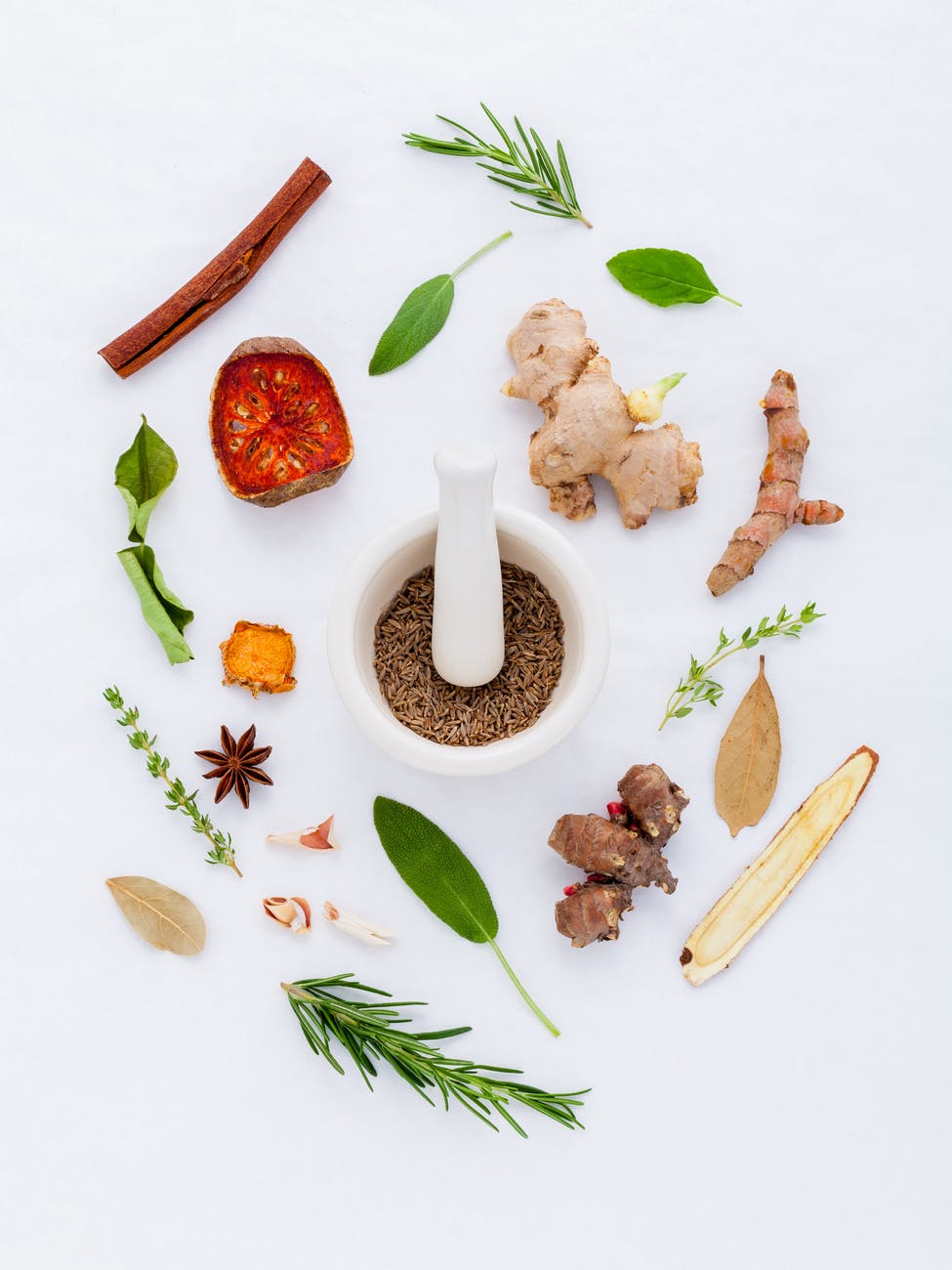
Adaptogens have been around for thousands of years and have traditionally been used in Indian and Chinese medicine. They are a type of herb (or mushroom) that helps the body adapt to stress. Hence their name, adaptogens! They adapt according to what the body needs; whether that be mental (e.g., increased memory and focus), physical (e.g., energy boost) or emotional (e.g., anxiety relief). Adaptogens won’t take away stress, but help to regulate the body’s stress response system (adrenal glands) and bring it back into balance (homeostasis). They can be found in various forms such as powders, capsules, tinctures (herbal extracts), or in drinks and teas. Adaptogens can be a healthy alternative to prescribed medication and stimulants such as caffeine and sugar. Although their benefits can vary, (as with any supplement), they are most effective when taken over a period of time. They work best not in isolation, but as part of a holistic lifestyle that should include a healthy diet, sleep, exercise and personalized wellness practices. While research has shown how adaptogens can be used to prevent and treat various ailments, I can only speak to my personal experience using them.
My Experience with Adaptogens
It wasn’t until I was introduced to adaptogens through Organika’s webinars (see: Your Hormones: Finding Balance for the Modern-Day Woman or Your Mental Health Matters: Extra Brain-Love During Times of Stress) that I gained a greater interest and understanding of them. These webinars almost always mentioned adaptogens, recipes that include the use of them, and their many benefits. After learning so much, I decided to try out one of their many adaptogen powders. The first one I decided to try was their Organic Chaga Mushroom Calm Powder. That, along with a few of my other favourite Organika products made it to My Wellness Kit! While I was only using this powder on and off shortly after I had purchased it, I started taking it more frequently over the past couple of months since being back to work. I would add roughly one teaspoon of it alongside SMOOV’s euphoric blend (which contains maca, an adaptogen that has hormone-balancing benefits; see below) when I made my oatmeal in the morning. Other times, I mixed it in with my tea or a smoothie. With consistent use, I have been experiencing its benefits. I have found that I’m able to remain quite relaxed throughout a very busy and stressful day, and that it has significantly helped to alleviate menstrual symptoms I have dealt with for many years. Since finishing the chaga mushroom powder, I decided to try Organika’s Organic Ashwagandha Mood Powder. The first two recipes I tried was Moon Milk and Chia & Ashwagandha Overnight Oats (see below). I highly recommend both powders and recipes!
Commonly Used Adaptogens & Their Benefits

Photo by Google Images
- Ashwagandha
- Regulates thyroid function which controls emotional hormones
- Balances and boosts mood and positive feelings
- Decreases the effects of stress by reducing cortisol levels
- Chaga Mushroom
- High in antioxidant, vitamins and minerals
- Reduces the effects of stress, anxiety and regulates hormones
- Contains anti-inflammatory properties
- Ginseng
- Helps to reduce inflammation and boost the immune system
- Reduces the effect of stressors
- Improves focus and memory
- Holy Basil
- A source of antioxidant
- Boosts immune system and energy
- Reduces stress and anxiety
- Supports healthy digestion
- Lion’s Mane Mushroom
- Contains hericenones and erinacines which stimulate the growth of brain cells and protects brain tissue
- Improves memory and brain function
- Moringa
- A multivitamin containing vitamin A, C, calcium, iron, protein, potassium
- A source of antioxidant
- Maca Root
- A good source of vitamins and minerals (containing essential amino acids)
- Improves mood and energy
- Helps to balance hormones and supports the immune system
- Boosts libido in men and women
- Reishi Mushroom
- Reduces stress by calming the mind (e.g., nerves) and body (e.g., muscle tension)
- Improves the quality of sleep through the regulation of stress hormones
- Boosts the functioning of the immune system in its defense against viruses and bacteria
- Rhodiola rosea
- Helps to reduce stress
- Improve mental functioning by reducing fatigue
- Boosts physical energy
Things to Consider
As with any supplement, results can vary from person to person and over time. What may have worked a week ago may not be effective a year from now. It’s important to pay attention to your body and how you may be responding positively or negatively to certain supplements such as adaptogens. As previously mentioned, it may take some time before you notice the benefits of a supplement. Only after using adaptogens consistently for a few months was I able to experience its benefits. While they are generally safe, it’s important to note that adaptogens could interfere with certain medication. If you’re interested in trying them, it’s best to first talk with your physician and/or a naturopath, especially if you’re taking medication. As always, ensure you are following the recommended dosage identified on the packaging.
Where to Buy Adaptogens
Adaptogens can be found and purchased at health food stores. I have purchased mine at Healthy Planet, but they can also be found on websites such as well.ca.
Ready to get started?
- Organika’s Line
- The Gut Lab’s Line
- Four Sigmatic’s Adaptogen Blend
- Moon Milk Recipe
- Chia & Ashwagandha Overnight Oats Recipe
See: Five Stress Healing Solutions for more ways to reduce stress!
Take care, and be well.
WEBSITE DISCLAIMER
This website is provided only for informational purposes and not intended to be used to replace professional advice, treatment or professional care. Always speak to your physician, healthcare provider or pediatrician if you have concerns about your own health or the health of a child.


 the calm educator